







MEDICAL SUPERVISION
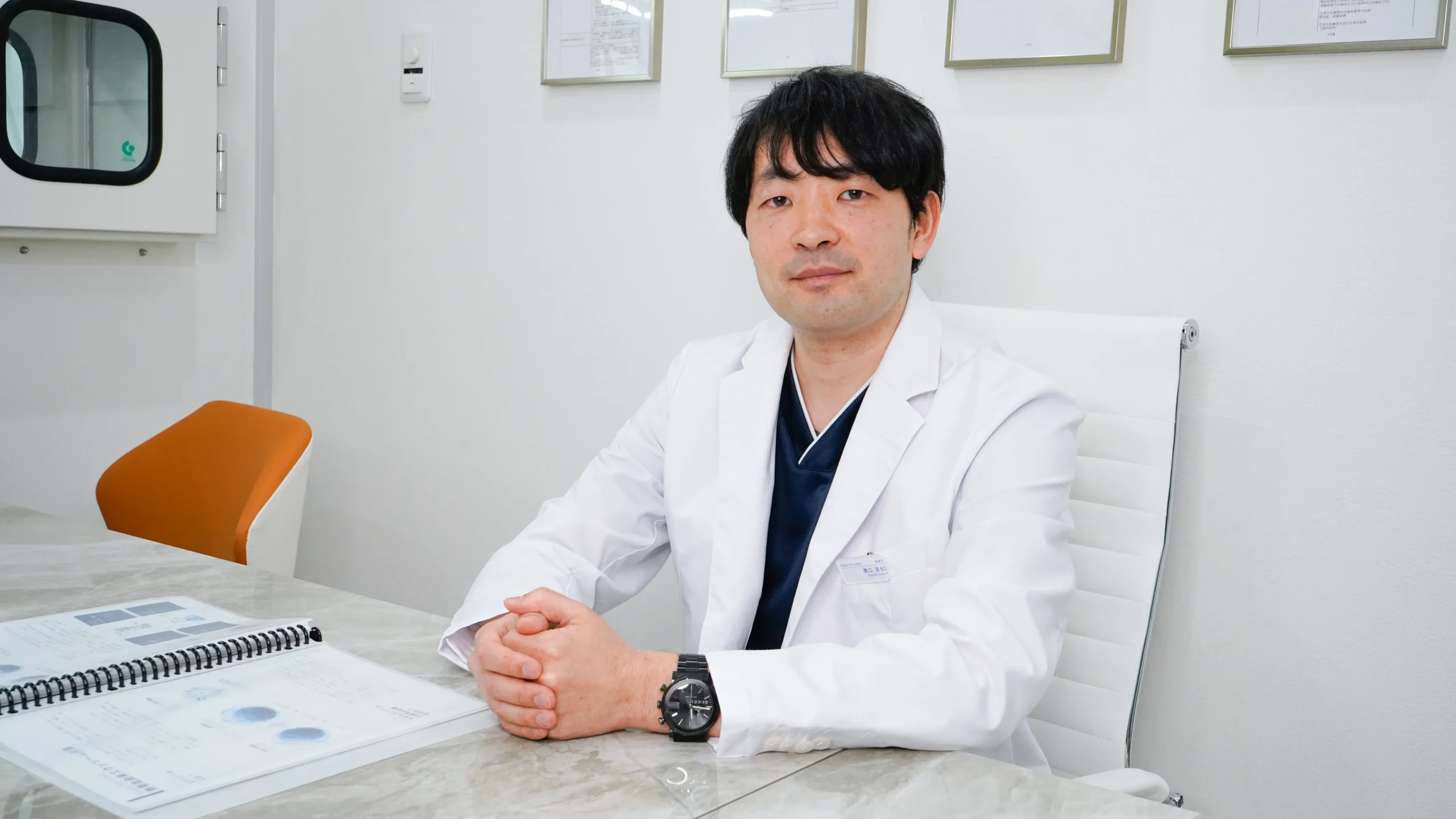
Medically reviewed by Dr. Junya Higuchi, Director, Ginza YR Clinic
MD, PhD (The University of Tokyo) / Board-Certified Orthopedic Surgeon / Certified Regenerative Medicine Physician, Japanese Society for Regenerative Medicine / Certified Sports Doctor, Japan Sport Association
At the University of Tokyo Graduate School, he researched how adipose-derived stem cells regulate the pathology of knee osteoarthritis, earning his doctorate in medicine.
WHAT PRP SKIN REGENERATION THERAPY IS
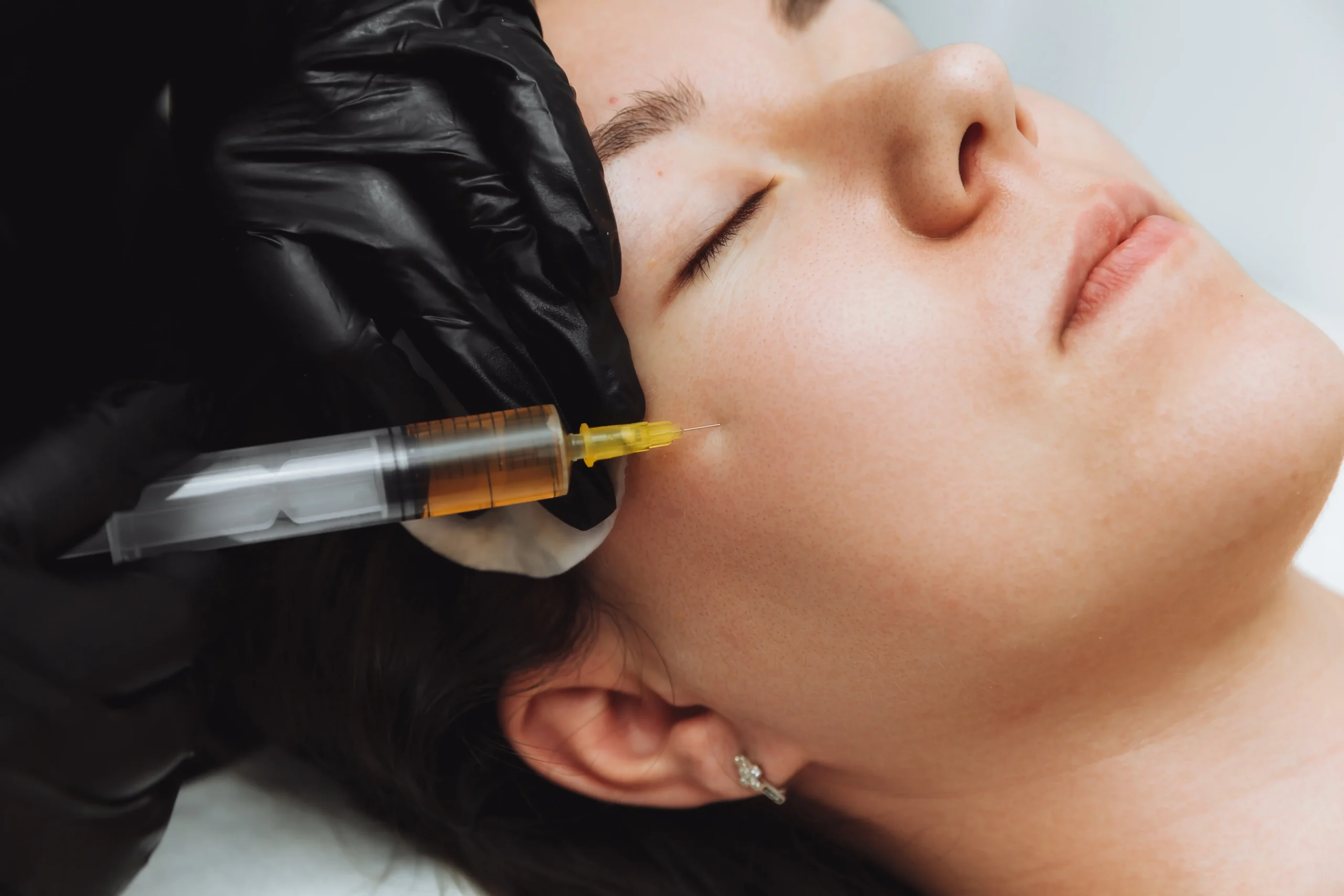
PRP skin regeneration therapy is a treatment that uses your own blood: platelets are concentrated from a small blood sample and injected into the skin of the face, where they are thought to encourage the activity of fibroblasts. Changes typically begin to appear over two weeks to three months, and some people report a difference in skin quality between six months and a year.
Key points
- ✓PRP uses components drawn from your own blood, with the aim of working on the condition of your skin.
- ✓Most reports of lumps or excessive swelling come from procedures in which bFGF is added to PRP — an approach that Japan’s aesthetic medicine clinical guidance does not recommend. At Ginza YR Clinic, we do not mix bFGF or any other externally sourced growth factor into PRP.
- ✓With facial PRP, it is not only concentration that matters. How thoroughly red blood cells are removed has a significant bearing on the risk of colour change and inflammation.
1. What PRP skin regeneration therapy is
PRP (platelet-rich plasma) is a platelet-rich component obtained by centrifuging your own blood. Platelets are understood to contain a range of growth factors involved in tissue condition and cell proliferation.
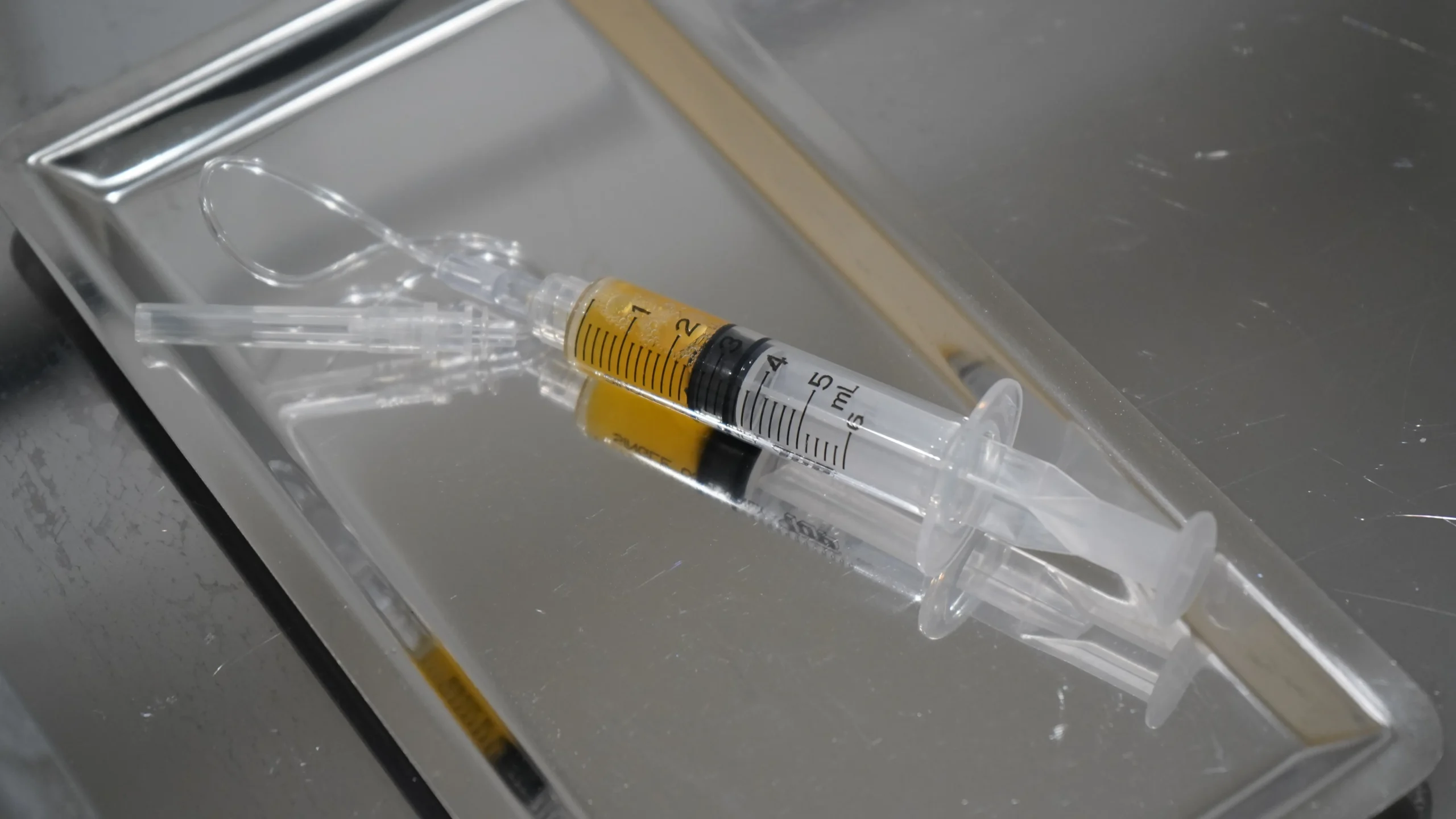
In PRP skin regeneration therapy, this PRP is injected into the skin of the face, where it is thought to act on the fibroblasts of the dermis — the cells that produce collagen and elastin. By delivering components derived from your own blood into the skin, the aim is to support the cellular activity the skin already possesses.
Changes tend to appear gradually and follow a natural course. There is no immediate effect, and this is not a treatment that adds significant volume.
Principal growth factors in PRP and their roles in the skin
| Growth factor | Main role in the skin |
|---|---|
| PDGF Platelet-derived growth factor |
Thought to promote fibroblast proliferation |
| TGF-β Transforming growth factor |
Understood to be involved in collagen production and remodelling |
| VEGF Vascular endothelial growth factor |
Understood to be involved in dermal microcirculation |
| EGF Epidermal growth factor |
Understood to be involved in epidermal cell turnover |
| IGF-1 Insulin-like growth factor |
May be involved in cell survival and proliferation |
Note: the above reflects roles generally reported for these growth factors, and does not describe the outcome of any individual treatment.
2. Why platelets are concentrated and delivered directly to the skin
Platelets and growth factors are already present in the body. So why take the trouble to extract them? It is a question we are often asked in consultation. The answer comes down to two things: quantity, and where they arrive.
Platelets normally make up only a very small fraction of the blood. PRP concentrates them several-fold. And because blood in the veins circulates throughout the entire body, growth factors do not necessarily reach the fibroblasts in the dermis at a meaningful concentration. Injecting concentrated PRP directly into the dermis is expected to deliver these components to the intended area at a higher concentration.
Concentration
Platelets and growth factors are dispersed throughout the body
Centrifugation concentrates the active components
Local delivery
Growth factors struggle to reach the deeper skin
Delivered directly to the layer where fibroblasts sit
Action
The repair cycle slows with age
Works on activating that repair cycle
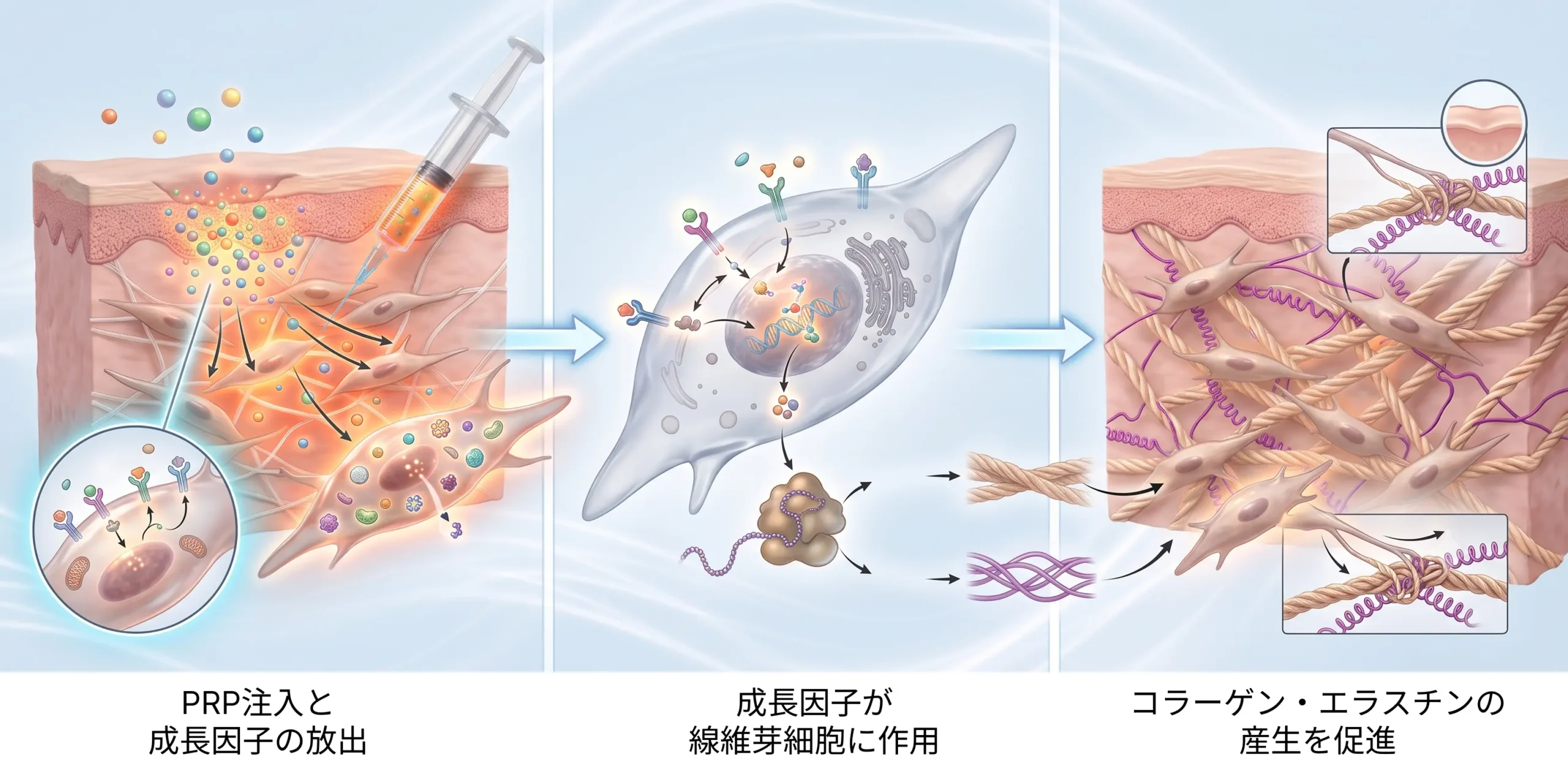
When PRP is injected into the dermis, platelets are activated and release growth factors, which are thought to act on fibroblasts. As those fibroblasts produce collagen and elastin, the texture of the skin may change over time.
This is precisely why change takes time. What is injected does not create volume directly; the treatment relies on waiting for your own cells to build new collagen. That is why changes are generally said to begin appearing over a period of two weeks to three months.
3. Effects and evidence from clinical research
PRP does not work the same way for everyone. Some people notice a change; others notice little. That is why we determine, at consultation, whether the treatment is genuinely indicated for you.
Clinical research from overseas
Randomised controlled trial (JAMA Dermatology, 2018)
In photoaged facial skin, a single PRP injection was reported to produce a significant improvement in texture compared with saline. No significant difference was shown for colour.
Meta-analysis (9 RCTs, 358 participants, 2025)
PRP for skin ageing was reported to significantly improve patient satisfaction, with a favourable safety profile.
Systematic review and meta-analysis (periorbital area, 2021)
PRP around the eyes was reported to improve satisfaction compared with controls. Treatments averaged three sessions at intervals of two to four weeks.
Concerns PRP suits, and concerns it does not
Where PRP is more likely to be an option
- ·Skin texture, quality and firmness
- ·Fine lines around the eyes, crepey lines
- ·Visible pores, dullness, uneven tone
- ·The condition of the skin on the neck
Where PRP alone is considered difficult
- ·Deep nasolabial folds and marionette-line hollows
- ·Pronounced sagging
- ·Areas where volume clearly needs replacing
- ·Removal of pigmented lesions themselves
For deep hollows or a clear lack of volume, PRP on its own may not meet expectations.
4. Who this may suit, and who cannot receive it
You may wish to consider this treatment if you:
- ✓Prefer a treatment that uses components derived from your own blood
- ✓Are concerned about firmness or dullness but are unsure where to begin
- ✓Have an allergic constitution and feel uneasy about externally sourced ingredients
- ✓Would like to add a skin-quality approach alongside procedures such as lasers or a meso-injector
- ✓Are also concerned about exposed areas beyond the face, such as the neck
Treatment cannot be provided, or requires detailed prior confirmation, if you:
IMPORTANT
- —Have a coagulation disorder or blood disease (such as haemophilia)
- —Have an active infection, or inflammation or a skin condition at the injection site
- —Are pregnant or breastfeeding
- —Are on long-term steroid therapy or taking anticoagulants
- —Have a blood-borne viral infection (HIV, HCV, HBV and similar)
- —Are undergoing treatment for a malignancy, or have recently completed it (confirmation with your treating physician is required)
- —Have previously had foreign material such as hyaluronic acid injected into the treatment area (detailed confirmation is required)
Before your visit, please check your current medications, medical history and any aesthetic procedures you have received, and share these with the doctor at your consultation.
5. Side effects and risks
Because PRP skin regeneration therapy uses components derived from your own blood, the risk of an allergic reaction to foreign material is considered low. This does not mean the risk is zero.
About lumps and swelling after PRP treatment
Many readers arrive here after searching phrases such as “PRP lumps” or “PRP facial injection gone wrong.” There is a clear reason behind that concern.
PRP therapy comes in two forms: one that uses only components derived from your own blood, and one in which a drug called bFGF (basic fibroblast growth factor, trafermin) is added with the aim of enhancing the effect. Drawing on reports of complications such as induration and bulging, Japan’s aesthetic medicine clinical guidance places bFGF-added PRP therapy in the category of weakly recommended against. It is also worth knowing that, unlike hyaluronic acid, there is no agent that can dissolve it and reverse the result.
OUR POLICY
At Ginza YR Clinic, we do not mix bFGF or other externally sourced growth factors into PRP. We use only components obtained from the patient’s own blood.
Note: this policy does not mean the risk of complications is eliminated. Even with PRP derived from your own blood, swelling, redness, bruising, pain, infection, inflammation and induration remain possible.
Aftercare
Please avoid strenuous exercise, saunas and alcohol on the day of treatment. When you can resume make-up depends on the procedure, and we will advise you afterwards. If bruising occurs, allow several days to about a week before it settles enough to be covered with concealer.
6. Even when it is called the same PRP injection, preparation and concentration differ from clinic to clinic
What is actually in PRP changes according to how it is prepared, the platelet concentration, the white and red blood cell content, and the layer and volume injected. The name may be the same, but the design differs from one medical institution to another.
In fact, an international review of 75 randomised controlled trials (5,726 participants) noted considerable variation in how PRP is prepared. That review reported a positive correlation between appropriate temperature control during preparation and PRP efficacy, and also indicated a correlation with baseline platelet count.
In other words, how it is made may influence the result.
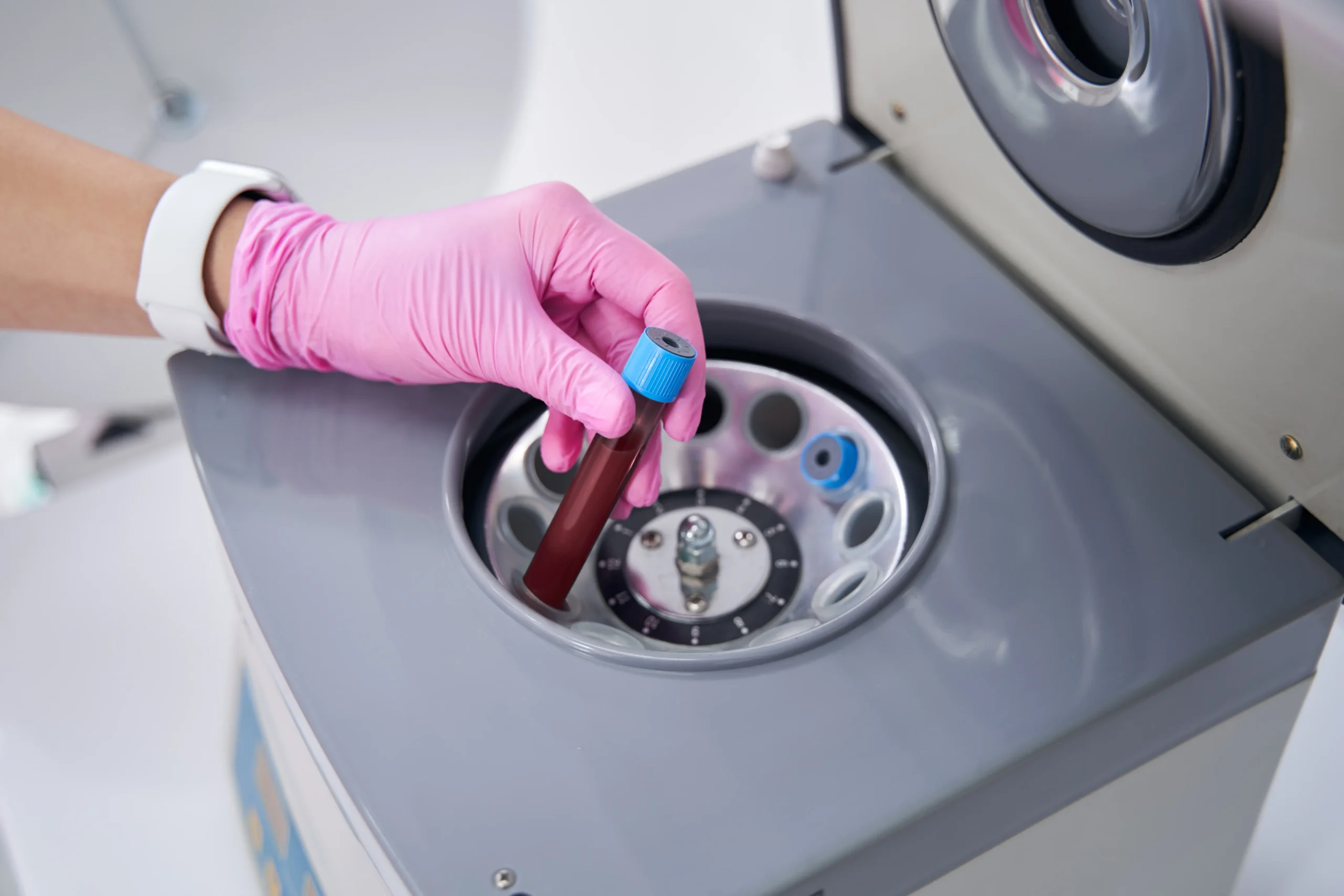
For the face, we place particular weight on removing red blood cells
What the face calls for is not strength, but precision. Choosing a high-concentration, white-cell-rich design from the outset may actually intensify the inflammatory response.
Platelet concentration
We prioritise high purity and consistency. Higher is not automatically better.
White blood cell content
Kept to a minimum (LP-PRP). The face is sensitive to inflammation, and a higher white cell content may produce a stronger inflammatory response.
Red blood cell removal
Removed as completely as possible. A high level of residual red blood cells may be associated with colour change, swelling and inflammatory reactions at the injection site. This matters especially on the face and neck.
Three things we consider essential in our PRP
REGENERATIVE MEDICINE PLAN — NOTIFICATIONS ACCEPTED
Ginza YR Clinic holds accepted notifications in three areas: the face (PC3250241, PC3250242), joints (PB3250225) and the scalp.
When comparing clinics, we would suggest checking whether a notification exists for the specific area you are considering.
7. What treatment looks like at our clinic
By appointment only, in a fully private room. The standard appointment takes approximately 60–90 minutes.
Medical interview and consultation (approx. 20 min)
Your doctor reviews the condition of your skin, your concerns, medical history, current medications and previous treatments.
Blood draw (approx. 5 min)
Blood is taken from a vein in the arm — the same procedure as a routine health check.
Preparing the PRP (approx. 15–20 min)
The sample is centrifuged and PRP is prepared to a design intended for the face: white blood cells kept to a minimum, red blood cells removed as completely as possible. Prepared in-house and used the same day.
Anaesthetic cream (approx. 20 min)
A topical anaesthetic cream is applied before treatment to reduce discomfort.
Injection (approx. 15–20 min)
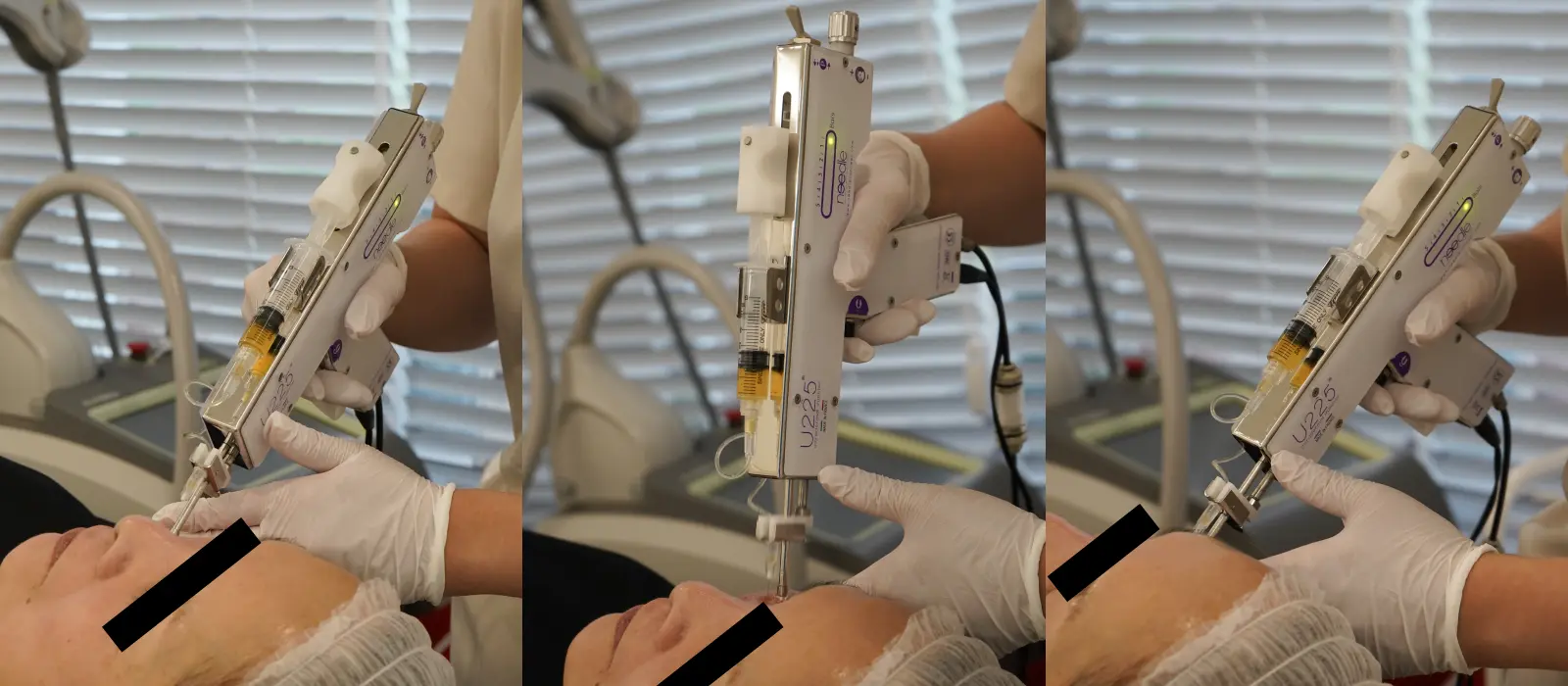
Across the face, we primarily use a meso-injector (U225). Because its very fine needle allows the depth and volume of each injection to be controlled evenly, it helps limit unevenness and reduce pain. The under-eye area and the neck are treated by hand.
Post-treatment check and aftercare guidance (approx. 5–10 min)
We explain when you can resume make-up, face washing, exercise and alcohol.
A timeline of change
Note: results vary from person to person. The same outcome cannot be guaranteed for everyone.
8. Frequently asked questions
Can PRP cause lumps in the face?
Most reports of lumps or excessive swelling with PRP arise from procedures in which bFGF (a growth factor preparation) is added to PRP. Japan’s aesthetic medicine clinical guidance places bFGF-added PRP in the category of weakly recommended against, and states explicitly that it cannot be regarded as appropriate use. We do not mix in bFGF and use only components derived from your own blood. That said, even with autologous PRP, the possibility of induration is not zero.
When do the effects of PRP skin regeneration therapy appear?
Changes are generally said to begin appearing over two weeks to three months. Because the injected material does not create volume directly — the treatment waits for your own fibroblasts to produce collagen — there is no immediate effect. Many people are said to notice a change in skin quality between six months and a year.
How many sessions do I need?
It depends on the condition of your skin and your goals. If the effect diminishes, treatment can be repeated. The number of sessions and the interval between them are determined by the doctor after examination.
What is the difference between PRP and hyaluronic acid?
Their purpose and mode of action differ. PRP uses components from your own blood to work on your skin’s own repair capacity, and changes emerge over time. Hyaluronic acid involves injecting a gel filler, and the two suit different concerns and indications. Which is more appropriate depends on your skin and your goals, and we will make a recommendation after examination.
How long is the downtime for PRP?
Downtime is generally described as redness, swelling and bruising at the injection site lasting several days to about a week. Needle marks and unevenness usually become inconspicuous within two to three days.
I had PRP before and didn’t notice a change. Is there any point in trying again?
If you had PRP previously without noticing a change, we begin by re-examining the diagnosis itself. If the diagnosis does not match the indication, a good result is difficult to expect no matter how good the PRP is. In addition, what PRP actually contains varies with white cell content, red cell removal, preparation method and the layer into which it is injected.
How much does PRP skin regeneration therapy cost? Is it covered by insurance?
PRP skin regeneration therapy is private-pay treatment and is not covered by insurance. The cost varies with the treatment area and the volume of PRP used. We explain our detailed pricing at your consultation.
A note from the director
As a board-certified orthopedic surgeon, I have used PRP in the treatment of joints and tendons. At the University of Tokyo Graduate School, I researched how adipose-derived stem cells regulate the pathology of knee osteoarthritis, and earned my doctorate in medicine.
I do not regard PRP as a treatment that simply involves injecting something. I regard it as medicine that requires a treatment plan to be designed.
As things stand today, PRP is not a treatment that dramatically transforms the face. Public guidance also states that its effects are limited. At the same time, I believe PRP holds the possibility of improving the condition of the skin in a more natural way.
What can be expected, and what cannot. I tell patients both at the outset — and if, having heard that, you still wish to go ahead, then I will design your treatment plan with care.
Dr. Junya Higuchi, Director, Ginza YR Clinic
At the University of Tokyo Graduate School, he researched how adipose-derived stem cells regulate the pathology of knee osteoarthritis, earning his doctorate in medicine.
Board-Certified Orthopedic Surgeon / Certified Regenerative Medicine Physician, Japanese Society for Regenerative Medicine / Certified Sports Doctor, Japan Sport Association
GINZA YR CLINIC — TOKYO
What can be expected, and what cannot. We tell you both at the outset.
Dr. Junya Higuchi reviews the condition of your skin and your treatment history before determining whether PRP is genuinely indicated for you.
Treatment information (meso-injector / U225)
Treatment details
A French-made electronic micro-injection device (U225) delivers cosmetic ingredients evenly into the optimal layer of the skin at approximately seven shots per second, with over 10,000 shots possible in a single session. Agents used include PRP, exosomes and umbilical cord secretome.
Treatment period and frequency
Treatment every 4–6 weeks is recommended. Approximately 30 minutes to 1 hour per session.
Cost
Meso-injector, full face: ¥96,800 per session / ¥261,360 for 3 / ¥493,680 for 6
Additional charges apply depending on the agent used (please refer to the price of each agent).
Separately: initial consultation ¥3,300 / follow-up consultation ¥2,200
Side effects and risks
Redness or puffiness may occur on the day of treatment (usually settling within a few hours to about three days). Bruising occurs rarely (usually resolving within about a week). An allergic reaction to the agent used may occur.
Required disclosure regarding an unapproved medical device
- The meso-injector (U225) used in this treatment is an unapproved medical device that has not received approval under Japan’s Pharmaceuticals and Medical Devices Act.
- The device was obtained by the physician through personal importation. (Reference: Japan’s Ministry of Health, Labour and Welfare, “For those seeking to purchase pharmaceuticals from overseas.”)
- There is no domestically approved medical device in Japan with equivalent performance approved for the same purpose as this treatment.
- The device holds CE certification as a medical device in Europe, but its safety and efficacy have not been sufficiently confirmed within Japan. Treatment may result in redness, swelling, pain, bruising, bleeding, infection, pigmentation, scarring or allergic reaction at the injection site.
- In the unlikely event of a serious adverse reaction or health injury, it would fall outside the scope of Japan’s national Relief System for Adverse Drug Reactions.
References
- Japanese Dermatological Association, Japan Society of Plastic and Reconstructive Surgery, Japanese Society of Aesthetic Dermatology, Japan Society of Aesthetic Surgery, JSAPS. Clinical Practice Guidance for Aesthetic Medicine (Health Labour Sciences Research). Chapter 2, Section 5: Platelet-Rich Plasma (PRP) Therapy for Wrinkles and Sagging.
- Alam M, Hughart R, Champlain A, et al. Effect of Platelet-Rich Plasma Injection for Rejuvenation of Photoaged Facial Skin: A Randomized Clinical Trial. JAMA Dermatol. 2018;154(12):1447–1452.
- Meta-Analysis of the Efficacy of Platelet-Rich Plasma in Treating Skin Aging. Aesthetic Surgery Journal Open Forum. 2025.
- Rejuvenating the Periorbital Area Using Platelet-Rich Plasma: A Systematic Review and Meta-Analysis. Arch Dermatol Res. 2021.
- Systematic Review of Platelet-Rich Plasma in Medical and Surgical Specialties: Quality, Evaluation, Evidence, and Enforcement. J Clin Med. 2024.
- Ministry of Health, Labour and Welfare, Japan. Act on the Safety of Regenerative Medicine.
MEDICAL REVIEW
Reviewed by Dr. Junya Higuchi, Director, Ginza YR Clinic
At the University of Tokyo Graduate School, he researched how adipose-derived stem cells regulate the pathology of knee osteoarthritis, earning his doctorate in medicine. Board-Certified Orthopedic Surgeon / Certified Regenerative Medicine Physician, Japanese Society for Regenerative Medicine / Certified Sports Doctor, Japan Sport Association.
This article has been prepared in accordance with Japan’s Medical Advertising Guidelines and the Pharmaceuticals and Medical Devices Act, and does not offer definitive guarantees of efficacy. Results vary from person to person, and the same outcome cannot be guaranteed for everyone. PRP skin regeneration therapy is private-pay treatment and is not covered by insurance.