








About
Autologous Adipose-Derived Stem Cell Therapy (ADSC Therapy)At our clinic, adipose tissue is collected directly from each patient, and the necessary stem cells are extracted and cultured accordingly. Upon completion of the culture process, the stem cells are delivered to the treatment site. Areas of interest for this therapy include musculoskeletal concerns, skin aging, and pain-related conditions, with each case individually evaluated by our physicians to assess appropriateness. Research into broader clinical applications of this treatment continues to advance.

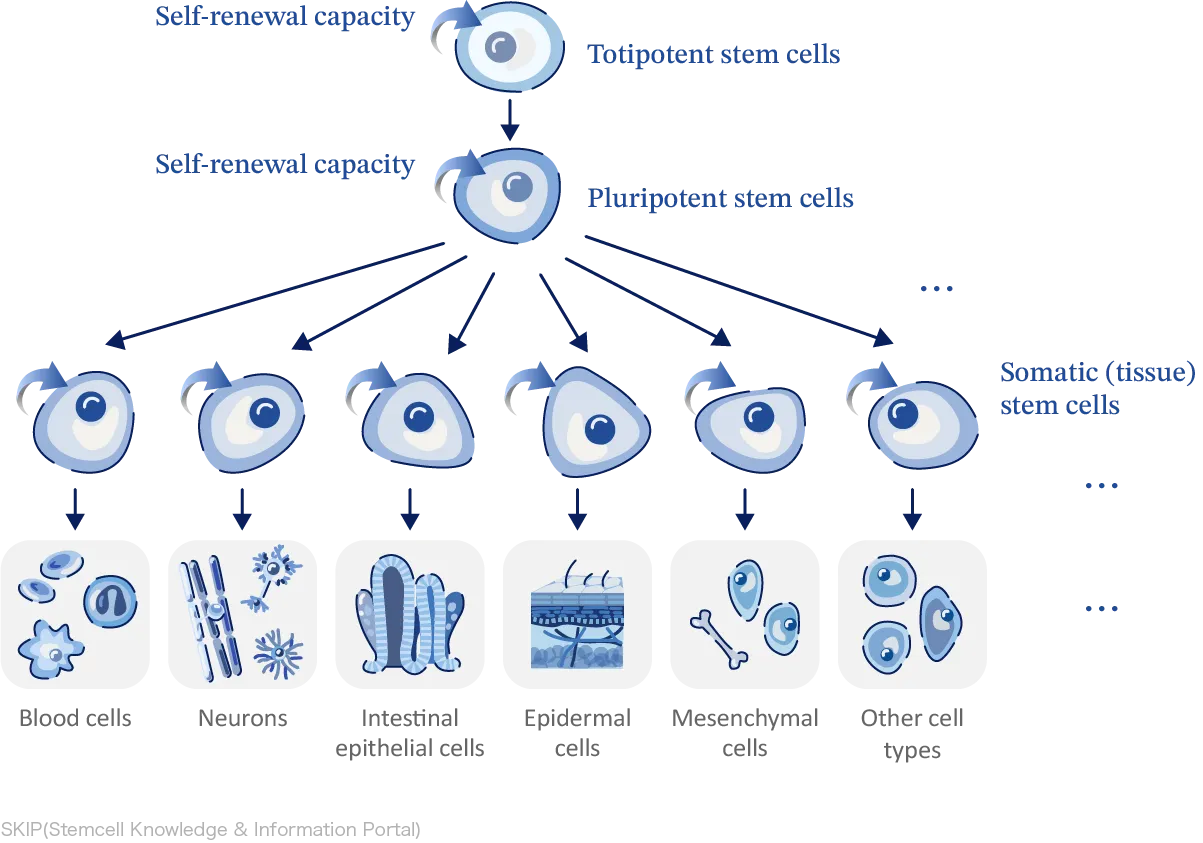
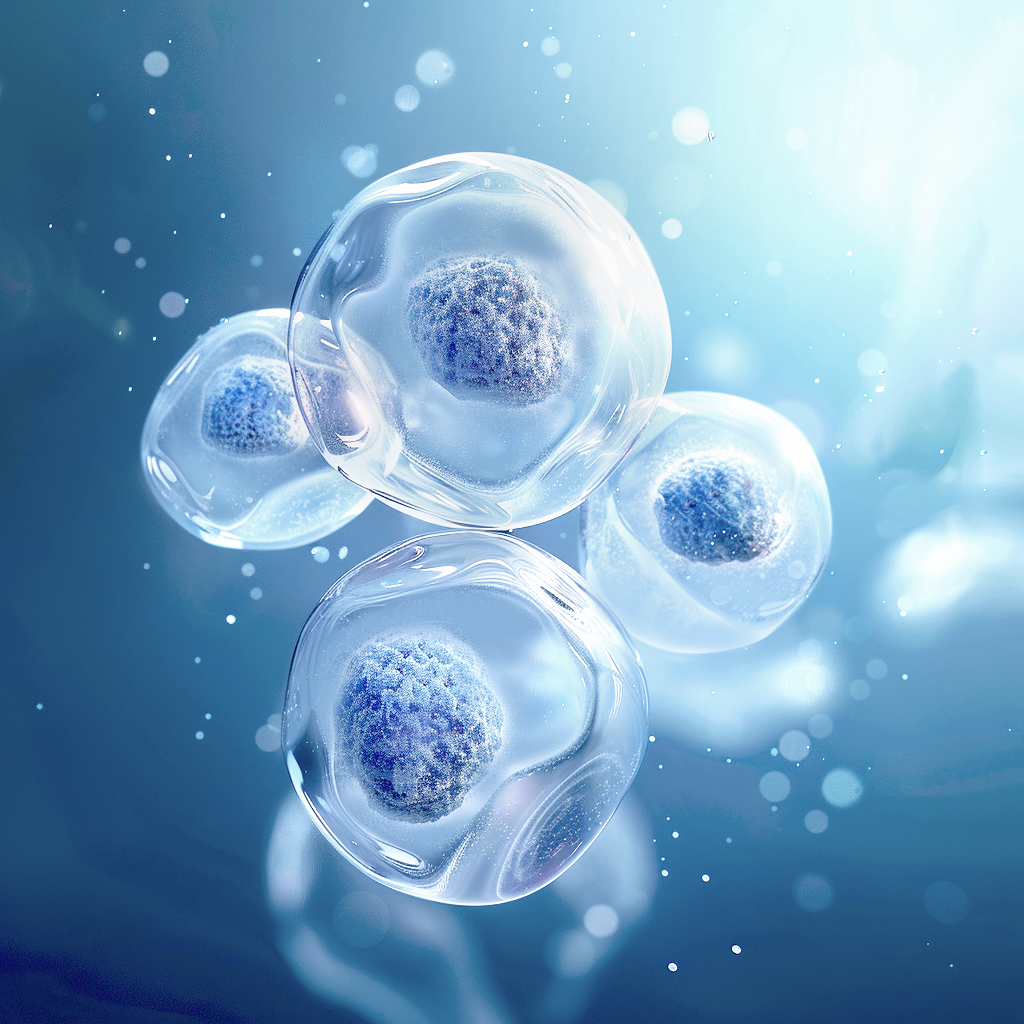
The human body is composed of more than 60 trillion cells, classified into approximately 200 to 300 different types. Among them are special cells that possess the ability to proliferate and are involved in the maintenance and repair of tissues. These are called “stem cells.”
01
Multipotency
Stem cells possess the ability to differentiate into various cell types, including skin cells and nerve cells. By taking the place of damaged or non-functioning cells, they are considered to support the body’s natural recovery.
02
Self-Renewal
Through self-renewal, stem cells are believed to play a role in replenishing the cells needed for repairing damaged tissue. The application of this property in the management of chronic conditions is also being advanced.
Stem Cell Therapy
Principles and Effects on the Body
Utilization of Mesenchymal Stem Cells:
In stem cell research, mesenchymal stem cells have been a key focus of investigation for their potential to support tissue maintenance and related biological processes. Since suitability varies depending on each patient’s condition and the nature of their concern, our physicians assess each case individually to determine an appropriate course of treatment.
What Are Mesenchymal Stem Cells?
Mesenchymal stem cells are tissue-derived stem cells that can be collected from sources such as adipose (fat) tissue, bone marrow, and umbilical cord. These are cells that occur naturally within the human body, and they are believed to have the potential to differentiate into several different cell types.
Therapeutic Applications of Mesenchymal Stem Cells
One of the most actively studied areas in stem cell research is how mesenchymal stem cells may be applied to tissues affected by injury or aging. Studies also suggest that these cells may be capable of releasing growth factors, which are believed to potentially influence surrounding cells and play a role in tissue maintenance processes. Research in this area continues to move forward.
Why Choose Mesenchymal Stem Cells
Mesenchymal stem cells can be collected from adipose tissue through a relatively straightforward procedure. As cells derived from the patient’s own body, the risk of rejection is considered to be low, and this is one of the features that may help minimize the burden on the patient. Additionally, due to their high proliferative capacity, it is said to be relatively easy to ensure a stable supply of the cells needed for treatment.
01
Joint Pain & Osteoarthritis:
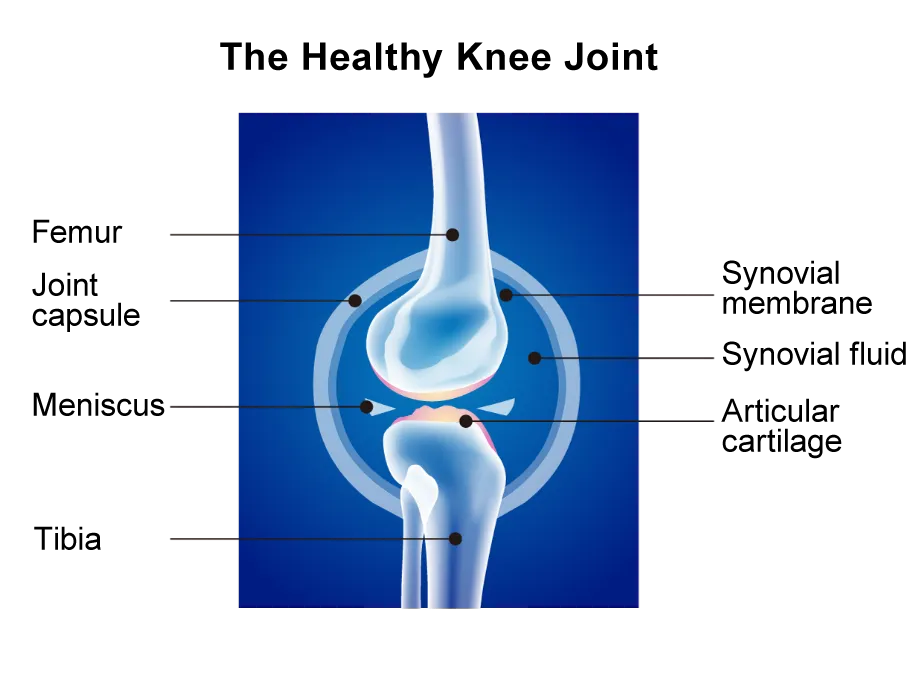
Joint pain and osteoarthritis are commonly associated with cartilage changes, the gradual deterioration of tissues around the joint, and localized inflammation. Researchers are currently investigating whether stem cell therapy may have the potential to influence the tissue environment within the joint and provide supplementary support in managing related symptoms. As every patient’s condition is different, our physicians will review each case thoroughly, taking into account symptoms, imaging findings, and medical history, before determining whether this treatment may be appropriate.
In osteoarthritis, the cartilage in the joints gradually breaks down, which may contribute to restricted movement, inflammation, and pain. The changes typically affect cartilage in the following ways:
-Structure: The cartilage surface becomes rough and develops cracks. What was once smooth and elastic becomes thinner and less resilient, with a reduced capacity to cushion the joint.
-Function: Movement in the joint may feel less fluid, with increased friction and a possible reduction in the joint’s ability to absorb impact.
-Blood Supply: Unlike most tissues in the body, cartilage has almost no direct blood supply, which means that once damaged, the capacity for natural recovery is limited.
-Cells: The cartilage cells responsible for maintaining tissue health decrease in number, leading to insufficient production of the cartilage matrix and potentially accelerating the overall deterioration.
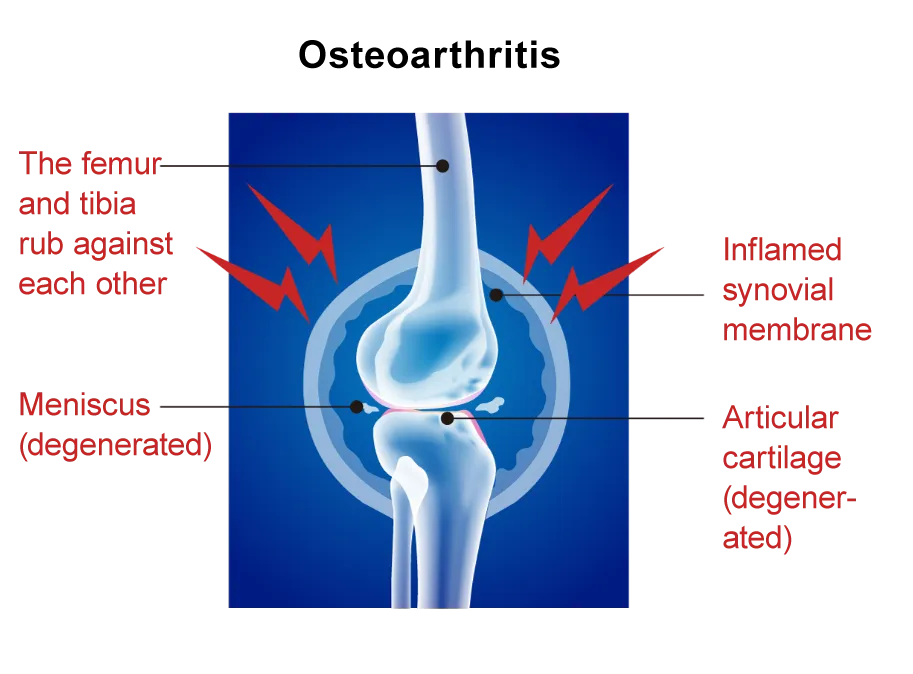
OsteoarthritisWhen cartilage is damaged, joint movement may deteriorate, and inflammation and pain can occur.
Structure: The surface may become rough, and the development of cracks and damage can lead to reduced thickness and elasticity in some cases.
Function: Joint movement may become less smooth, and shock absorption capacity can decrease.
Blood flow: Deterioration of blood flow may lead to a reduction in the tissue’s natural repair capacity.
Cells: Chondrocytes may decrease, and cartilage matrix secretion can become insufficient.

Challenges in the Treatment of Osteoarthritis
Treatment of osteoarthritis requires the repair of damaged cartilage. However, natural cartilage regeneration is difficult because joints contain few blood vessels and have limited blood circulation. In addition, synovial stem cells surrounding the joint possess insufficient regenerative capacity, making it challenging to achieve a fundamental cure.
Treatment Challenges for Osteoarthritis
Treating osteoarthritis presents certain challenges, largely because the joint has a very limited capacity for self-repair. With few blood vessels inside the joint, natural recovery after damage can be difficult. While the synovial tissue surrounding the joint does contain some stem cells believed to have a degree of repair potential, their capacity is limited and may be insufficient when damage becomes more severe. As a result, the more advanced the condition, the more challenging the available treatment options may become.
Stem Cell Therapy
Regenerative Involvement
Modulating Inflammation
Stem cells may have a regulatory effect on substances associated with inflammation, potentially providing supplementary support in managing pain and joint swelling.
Releasing Growth Factors
Stem cells may release growth factors into the surrounding tissue, which are believed to potentially influence cartilage maintenance processes.
Influencing the Joint Environment
Stem cells may influence the overall tissue environment within the joint, potentially creating conditions that support subsequent maintenance processes.※This therapy remains an area of active research. Results vary between individuals, and symptom improvement cannot be guaranteed for all patients.
Improve osteoarthritis.
02
Chronic Pain Treatment
Treatment for Chronic PainAccording to the International Association for the Study of Pain (IASP), chronic pain is defined as pain that persists well beyond the normal healing period, or ongoing pain unrelated to cancer that continues to worsen over time. In simple terms, it is pain that does not go away and, in some cases, continues to worsen.
Three Main Causes of Chronic Pain

01
02
Nerve Damage-Related Pain: Infections such as shingles, or physical injuries, may damage the nerves and contribute to continuous pain signals.
03 Psychologically Influenced Pain: Prolonged stress and other psychological factors may affect the way the brain processes and regulates pain, potentially contributing to or worsening the experience of it.

03
Psychogenic pain: Psychological factors such as stress may influence pain regulation functions in the brain, and it is considered that this may trigger pain in some cases.
Stem Cell Therapy for Chronic Pain:
Current Research In the context of chronic pain, stem cell therapy is currently being explored from two main directions:
-Modulating Inflammation: Stem cells may have a regulatory effect on substances in the body associated with inflammation, and are believed to potentially provide supplementary support in pain management.
-Supporting Tissue Maintenance: Stem cells may participate in tissue maintenance processes at the site of concern, potentially providing supplementary support in addressing factors associated with persistent pain.
※Results vary between individuals, and symptom improvement cannot be guaranteed for all patients. Whether this treatment is appropriate will be determined by our physicians on a case-by-case basis, taking into account each patient’s symptoms, medical history, and test results.
Stem Cell Therapy
Anti-Inflammatory Effects
Healing Ability
Relieve symptoms of chronic pain.
03
Skin & Scalp: Research Applications
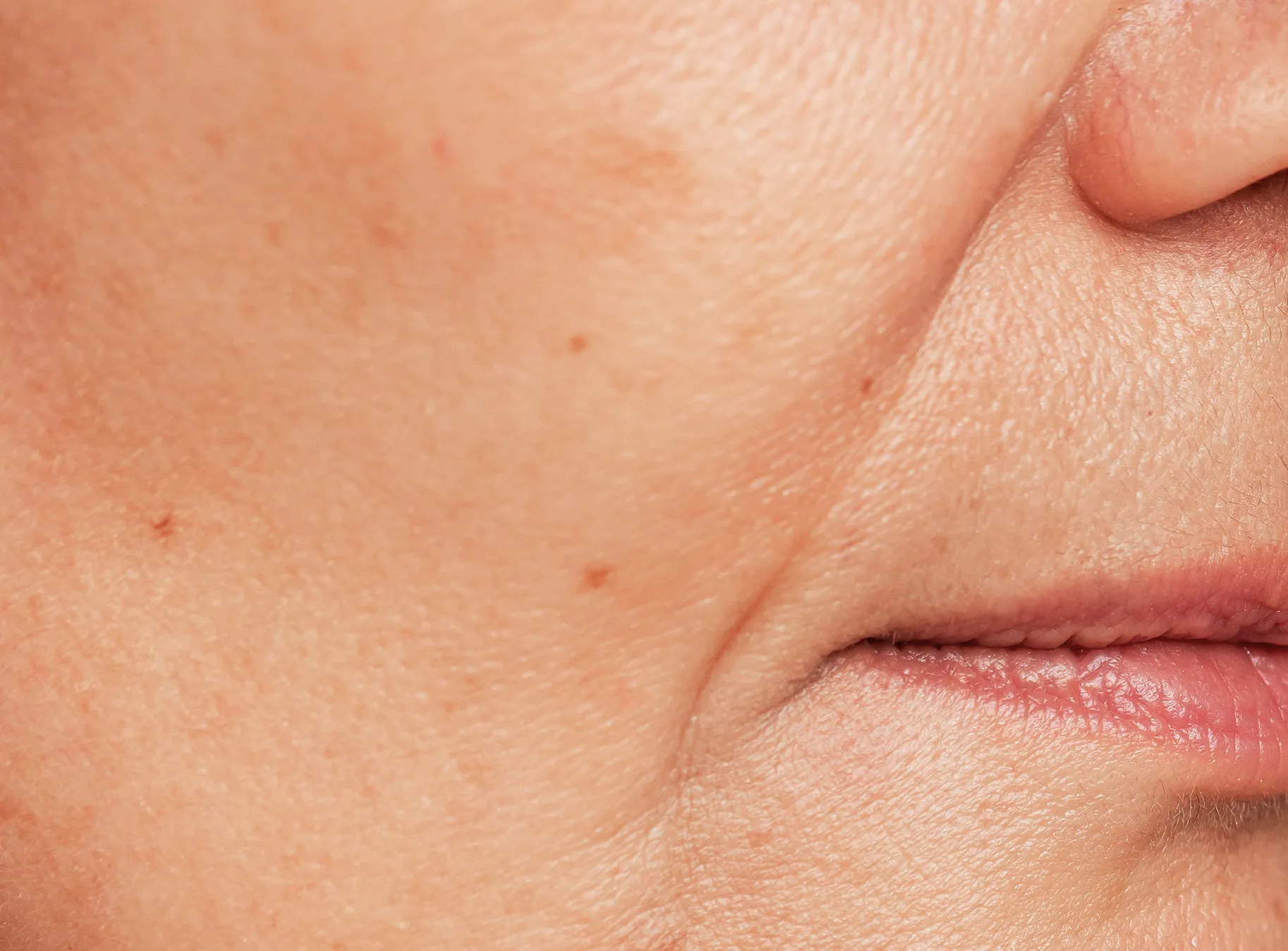
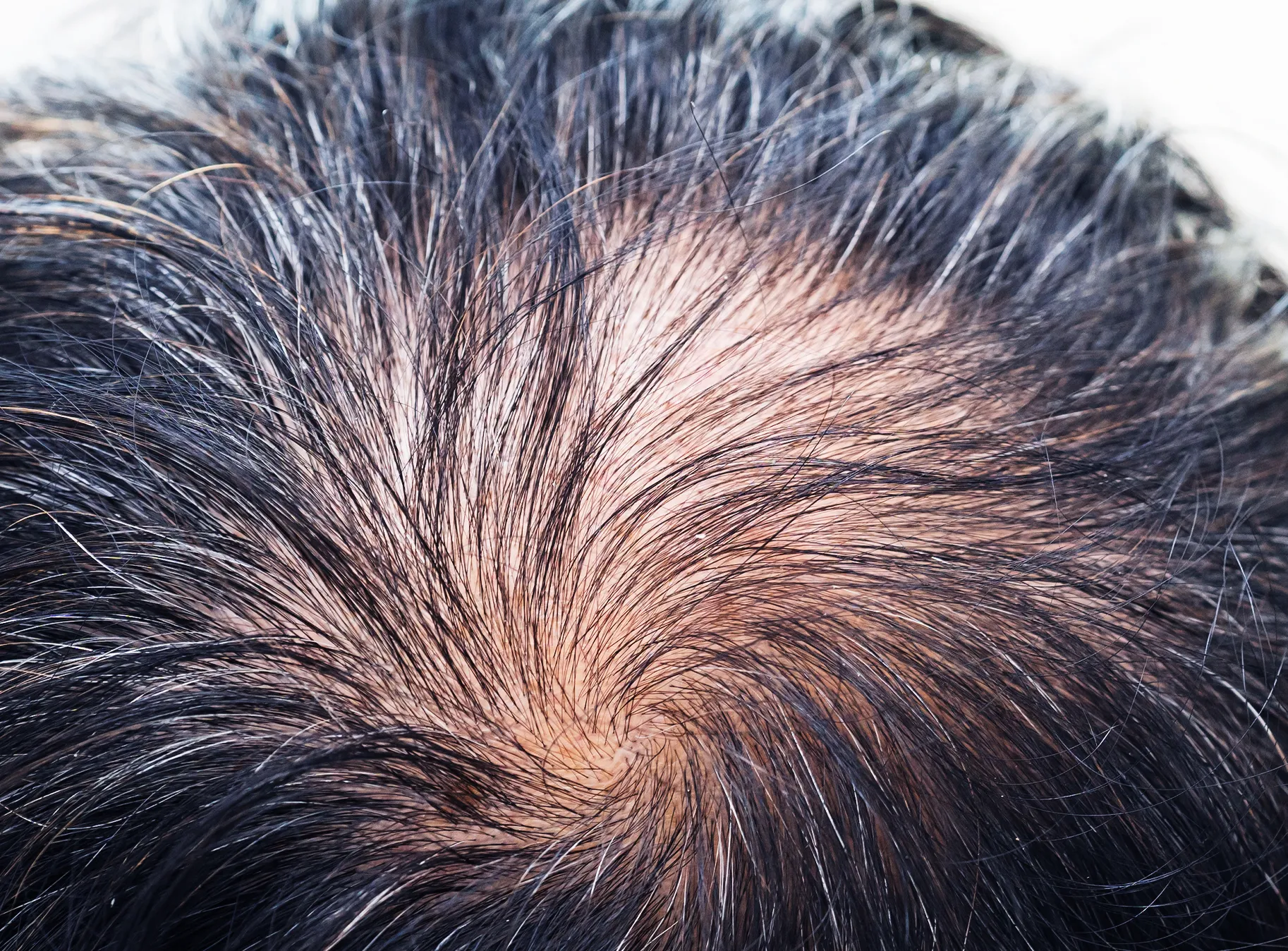
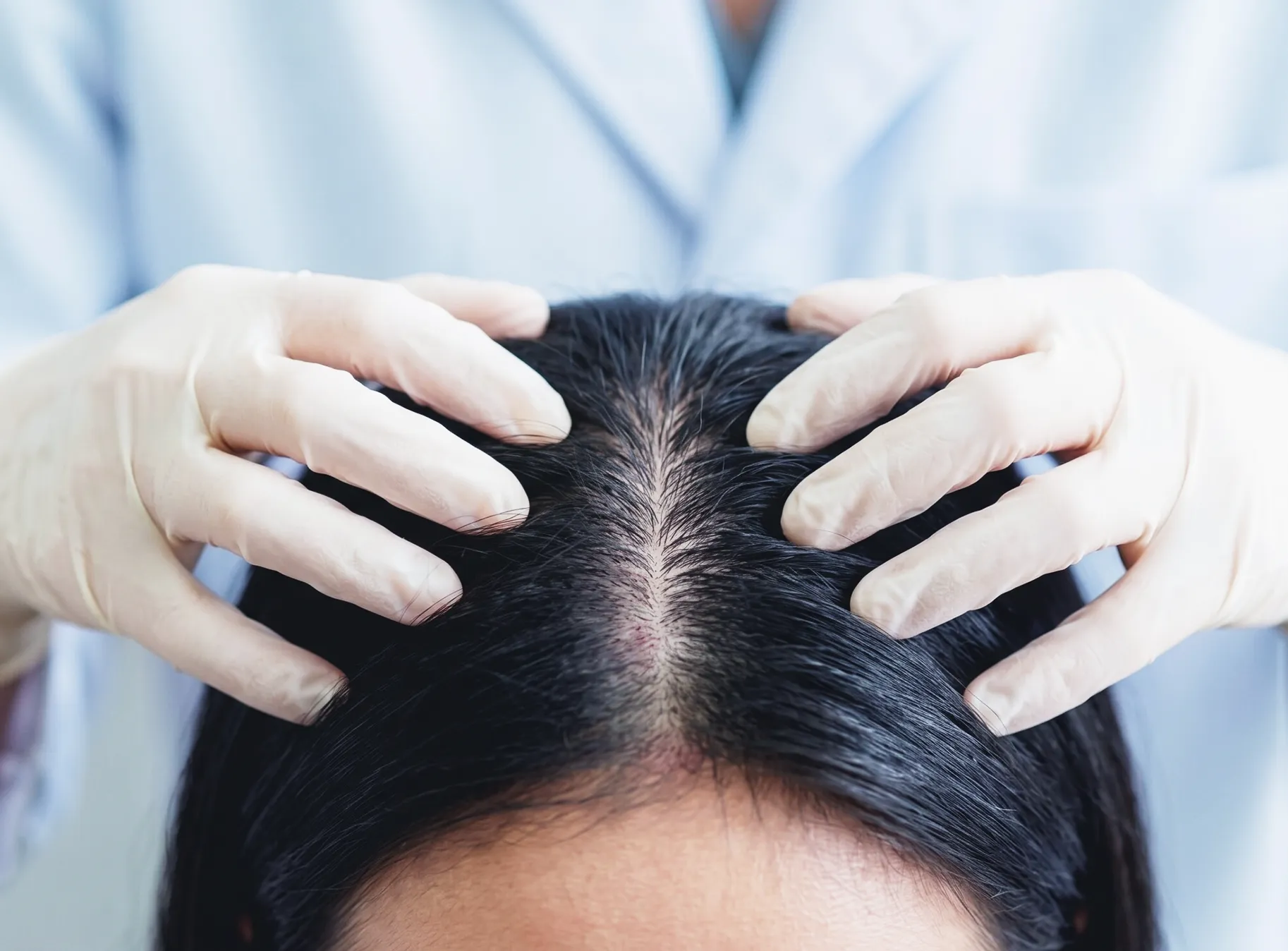
Over time, the skin naturally begins to lose its firmness, with wrinkles, sagging, and uneven pigmentation becoming more noticeable. These changes may be influenced by a combination of factors, including UV exposure, aging, stress, and hormonal shifts. Similarly, changes in the scalp environment and a gradual decline in hair follicle function may be associated with thinning hair or increased hair loss.
How Does Stem Cell Therapy Work for Skin & Scalp?
Stem cell therapy is currently being investigated for its potential application to skin tissue and scalp environment concerns, and is believed to possibly provide supplementary support for the areas noted above. Since every patient’s situation is different, our physicians will take the time to understand each individual’s symptoms before determining whether this treatment may be appropriate.Research suggests that stem cells may be involved in the following areas for skin and scalp:
Stem Cell Therapy
Supporting Tissue Maintenance
Stem cells may participate in the maintenance of skin tissue and the environment around hair follicles, and are believed to potentially provide supplementary support for affected areas.
Modulating Inflammation:
Stem cells may have a regulatory effect on substances in the body associated with inflammation, potentially providing supplementary support for skin and scalp inflammatory conditions.
Releasing Growth Factors
Growth factors released by stem cells are believed to potentially influence skin tissue and the follicle environment — an area that continues to be actively investigated.
Supporting healthier skin and hair from the inside out.
※Results vary between individuals.
Seeks Out and Repairs Damaged Sites

Assists Repair of Nearby Areas
Endocrine Effect

- Its effects on symptoms related to chronic pain,
- Its potential application in the treatment of osteoarthritis. Research in both areas is actively progressing.
- ※Every patient is different, and results cannot be guaranteed. Not all patients will experience an improvement in symptoms.
- ※If you are considering this treatment, we strongly encourage you to speak with a physician first and make your decision only after receiving a thorough explanation of the treatment, associated costs, and relevant risks.

- The potential effects of stem cells on age-related skin changes.
- The application in improving scalp health and addressing hair loss concerns.
- ※Research in both areas is actively progressing.
- ※Every patient is different, and results cannot be guaranteed. Not all patients will see improvements in skin condition, scalp health, or hair quality.
- ※If you are considering this treatment, we strongly encourage you to have a thorough discussion with a physician and ensure you fully understand what the treatment involves before making your decision.

You are experiencing symptoms associated with chronic pain and would like to explore your options.
You are looking into treatment options for osteoarthritis.
You have concerns about age-related changes in your skin.
You have concerns about your scalp health or hair loss and are looking for options to explore.
※This treatment is offered on a self-pay basis. Results vary between individuals, and improvement in symptoms or condition cannot be guaranteed for all patients.
※Whether this treatment is appropriate will be assessed individually by our physicians, based on consultation findings and relevant test results. ※If you are considering this treatment, we strongly encourage you to have a thorough discussion with a physician and ensure you fully understand the treatment details, associated costs, and relevant risks before making your decision.

-Local Injection: Spaced at least 1 month apart, generally recommended once every 6 to 12 months.
-Intravenous Drip: Spaced at least 1 month apart, generally recommended once every 6 to 12 months.
|
Autologous Adipose-Derived Stem Cell Therapy — IV Drip |
200 million cells / session |
1session 3sessions 6sessions 8sessions 10sessions |
¥3,190,000 ¥8,804,400 ¥16,269,000 ¥20,416,000 ¥24,563,000 |
|
Autologous Adipose-Derived Stem Cell Injection |
100 million cells / session |
1session 3sessions 6sessions |
¥1,880,000 ¥5,358,000 ¥10,377,600 |