








REGENERATIVE MEDICINE / HAIR LOSS | SCALP SERIES #1
Platelets concentrated from your own blood, delivered directly into the scalp. How PRP scalp injection works, and who it suits.
Reviewed by Dr. Junya Higuchi, Director, Ginza YR Clinic
MD, PhD (The University of Tokyo) / Board-Certified Orthopaedic Surgeon / Certified Regenerative Medicine Physician, Japanese Society for Regenerative Medicine / Certified Sports Doctor, Japan Sport Association. He earned his doctorate at the University of Tokyo Graduate School, researching how adipose-derived stem cells influence the disease mechanisms of knee osteoarthritis.
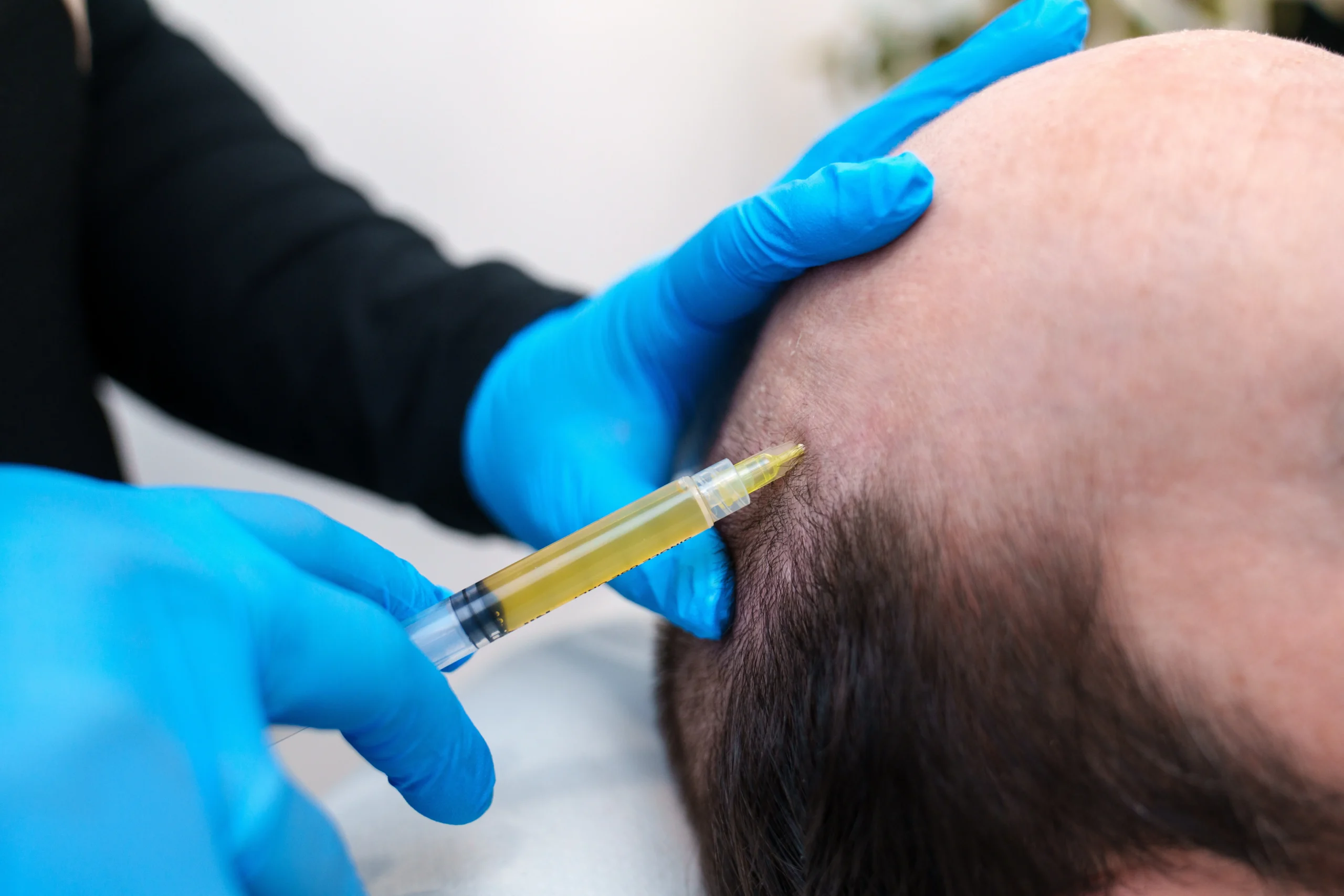
A PRP scalp injection is a treatment that uses your own blood: platelets are concentrated from a small blood sample and injected directly into the scalp. Because the material is autologous, the risk of a reaction to foreign substances is considered low — though outcomes, degree of change and side effects vary from person to person. Changes tend to appear over a span of three to six months, and treatment is generally repeated every three to four months.
Note: This article is provided for general medical information and does not guarantee any specific result.
Key points
- ✓PRP scalp injection delivers platelets and growth factors taken from your own blood into the scalp.
- ✓It is indicated for AGA, FAGA and diffuse hair loss, on the condition that hair follicles are still present.
- ✓Even when the name is the same, preparations differ in leukocyte content, processing method and injection design.
- ✓PRP may only be provided by institutions that have filed a plan with the national authorities and had it accepted — and the filing is required for each treatment area separately.
- ✓Ginza YR Clinic holds accepted filings in all three areas — face, joints and scalp.
1. What a PRP scalp injection is
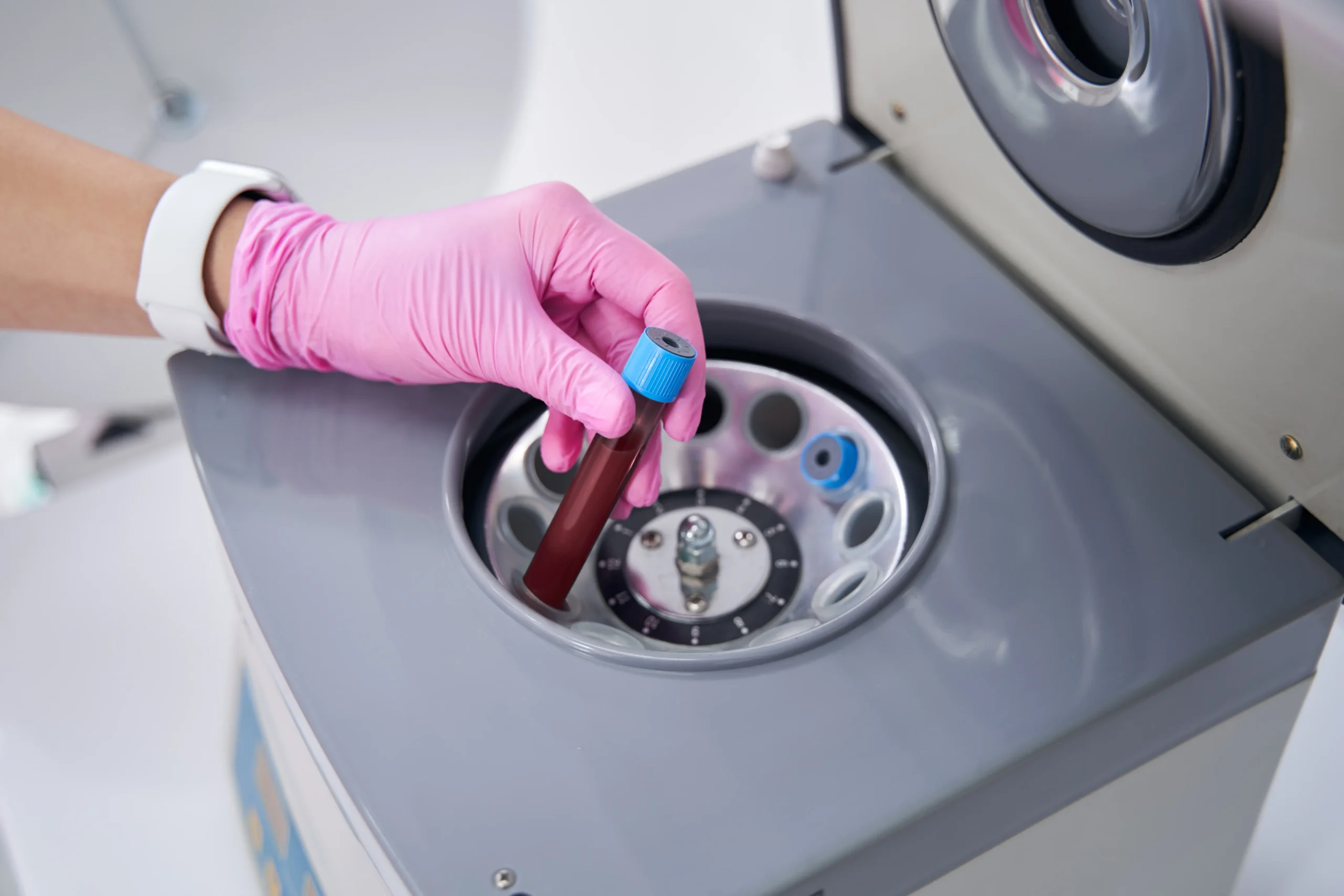
PRP (Platelet-Rich Plasma) is the platelet-rich fraction obtained by centrifuging your own blood. Platelets are understood to contain a range of growth factors involved in regulating tissue condition and inflammation.
A PRP scalp injection means preparing this PRP from a blood sample and injecting it directly into the areas of the scalp where thinning is a concern. Unlike oral medication or treatments that introduce substances from outside the body, this approach works with components derived from your own blood. Concentrate what is already in your blood, then deliver it directly where it is needed — that is the basic idea.
PRP was first applied clinically in orthopaedics (joints and tendons), and later spread into aesthetic medicine and hair treatment. In the scalp field, several systematic reviews include reports on changes in hair density and hair shaft diameter in AGA and FAGA. However, because preparation methods and treatment frequency vary considerably between studies, PRP is currently positioned as one option worth considering rather than an established standard.
Main growth factors in PRP and their roles at the hair follicle
Note: The descriptions above are general summaries based on published research and do not represent the outcome of any individual treatment.
2. Why platelets are concentrated and delivered directly to the scalp
Platelets and growth factors are already in your body — so why take the trouble to extract them? It is a question we hear often in consultations.
The answer comes down to two things: concentration, and location.
Platelets normally make up only a small fraction of whole blood, and PRP concentrates them several-fold. There is also the question of where they end up. Blood in the veins circulates through the entire body, so growth factors will not necessarily reach the area around the scalp follicles at a meaningful concentration. Injecting concentrated PRP directly into the scalp is intended to deliver those components to the target area at a higher concentration.
Four responses reported after PRP is injected into the scalp
As hair loss progresses, the stem cells in the follicle (the bulge region) are often still alive. What changes is the environment around them: reduced blood flow to the dermal papilla, accumulation of DHT (dihydrotestosterone) and chronic micro-inflammation in the scalp are thought to thin out the supply of growth factors and disrupt the hair cycle. When PRP is injected into the scalp, platelets are activated and release growth factors locally, and the following responses have been described.
PDGF may promote proliferation of hair follicle stem cells via a signalling pathway that regulates cell growth and differentiation (Wnt/β-catenin).
VEGF acts on the capillaries around the dermal papilla and may improve the supply of oxygen and nutrients to the follicle.
IGF-1 suppresses natural cell death (apoptosis) and may delay the point at which hair enters the resting phase.
TGF-β may calm chronic inflammation around the follicle, and reports suggest this can improve the follicular environment.
The hair follicle is an area particularly exposed to chronic, low-grade inflammation. For that reason, scalp PRP is not designed as a one-off procedure but as a treatment based on continuously maintaining the scalp environment.
3. What can be expected, and which types of hair loss are indicated
EVIDENCE: MODERATE–HIGH
Improvements in hair density and shaft diameter have been reported
EVIDENCE: MODERATE
Changes in part-line width and overall volume have been reported
EVIDENCE: LOW–MODERATE
Changes in the follicular environment have been reported in some cases
PRP scalp injection assumes that hair follicles are still present. Where follicles have completely atrophied and become fibrotic, meaningful change is considered unlikely. The stage at which you notice more fine, downy hair or see the scalp starting to show through at the crown — while the follicles are still alive — is the point at which it is worth seeking advice.
Note: In line with Japan’s Pharmaceuticals and Medical Devices Act and the Medical Advertising Guidelines, this article makes no definitive guarantee of results. Individual outcomes vary.
4. Who it may suit, and who cannot receive it
Worth considering if you:
- ✓Have early to moderate AGA or FAGA with follicles still active
- ✓Notice increasing fine or soft hair at the crown or hairline
- ✓Have been using topical or oral treatments but find the change hard to perceive
- ✓Would like an option that works directly on the follicle alongside oral medication
- ✓Are bothered by scalp inflammation or itching and want to start with the scalp environment
- ✓Have ongoing hair shedding after childbirth or a period of significant stress
- ✓Want to help maintain your existing hair before or after a hair transplant
Cannot be treated, or requires detailed prior assessment:
- •Coagulation disorders or blood conditions such as haemophilia
- •Active infection, or marked inflammation of the scalp
- •Pregnancy or breastfeeding
- •Long-term steroid use, or current anticoagulant therapy
- •Blood-borne viral infections (HIV, HCV, HBV and similar)
- •Currently undergoing, or recently completed, treatment for a malignancy (confirmation with your treating physician is required)
- •Severe scarring or fibrosis of the scalp with no identifiable follicles
Before your visit, please check your current medications and medical history, and share them with the doctor during your consultation.
5. Side effects and risks
Because PRP scalp injection uses components derived from your own blood, the risk of allergy to externally sourced substances is considered low. That does not make the risk zero. The following reactions can occur.
Please avoid strenuous exercise, saunas and alcohol on the day of treatment. Normal hair washing is fine from the following day. We recommend avoiding rubbing or scratching the scalp for about two to three days.
6. The same name, different preparations: PRP varies between clinics
People considering PRP scalp injections often ask us the same thing: isn’t the treatment different from clinic to clinic?
Frankly, it is. What is actually in a PRP preparation depends on the processing method, platelet concentration, leukocyte and red blood cell content, and the depth and volume of injection. The name may be identical; the design behind it is not.
Concentration and leukocyte content are two different things
The character of a PRP preparation is not determined by platelet concentration alone. Equally important is how many white blood cells it contains.
There are leukocyte-rich preparations and leukocyte-poor preparations (LP-PRP). Higher concentration is not automatically better, and more leukocytes does not mean more effective. Starting out with a high-concentration, leukocyte-rich design may in fact provoke a stronger inflammatory response.
The scalp is an area prone to chronic micro-inflammation, and one where treatment is repeated over time. For scalp treatment, Ginza YR Clinic therefore works from a gentler design — leukocytes kept to a minimum and red blood cell contamination removed as far as possible — better suited to being repeated. Prioritising consistency and precision over intensity: that is our approach in the scalp field.
Three things we consider essential in our PRP
Blood collection, preparation and injection are all carried out in-house and completed on the same day. We do not use freeze-dried (FD) preparations, which require additional processing time.
PRP at Ginza YR Clinic consists solely of components obtained from the patient’s own blood.
From preparation through to injection, the process is overseen by a physician certified by the Japanese Society for Regenerative Medicine.
An easily overlooked point: PRP requires a filing with the national authorities
Only institutions whose plan has been filed and accepted may provide it. Without that acceptance, it cannot be offered at all. More importantly, the filing is required for each treatment area. A clinic with a filing for the face cannot, on that basis, perform PRP on the scalp or joints.
Ginza YR Clinic holds accepted filings in all three areas: face, joints and scalp.
Note: An accepted filing means the institution has completed the required legal procedure. It does not mean the state has endorsed the treatment’s efficacy.
When comparing clinics, we recommend checking whether the filing covers the specific area you are considering.
7. What treatment looks like at Ginza YR Clinic
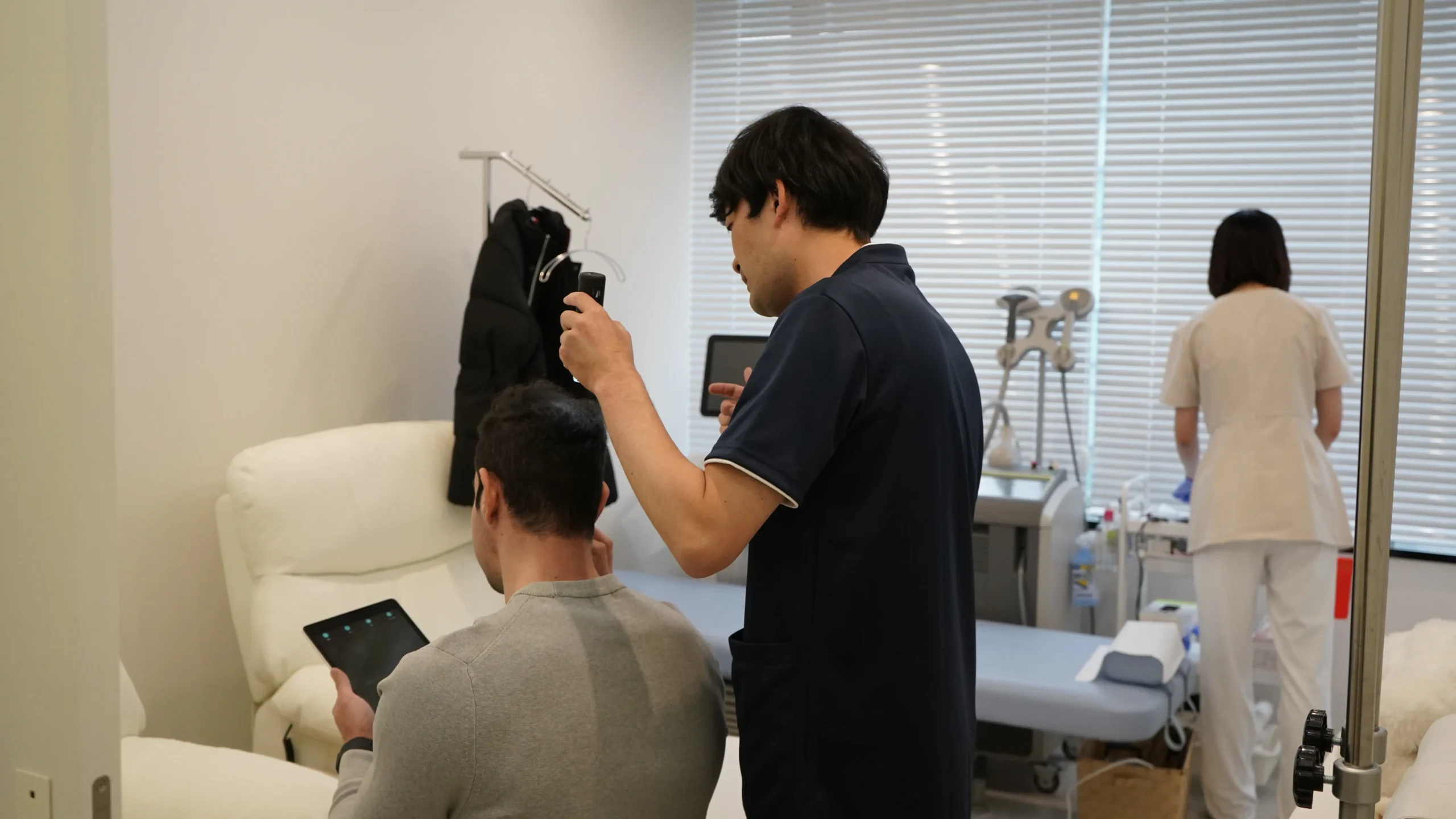
PRP scalp injections at Ginza YR Clinic are carried out by appointment only, in a fully private room. A session typically takes around 60 to 90 minutes.
The doctor reviews the extent of hair loss, your medical history, current medications and any previous treatments. A scalp camera is used to visualise the condition of your follicles, and we explain whether PRP is indicated and what range of change can reasonably be expected.
Blood is taken from a vein in the arm, exactly as in a routine health check. The volume is determined by the doctor according to the area to be treated and the degree of thinning.
The blood is centrifuged and prepared using our scalp-specific design — leukocytes minimised and red blood cells removed as far as possible. Prepared in-house and used the same day.
Local anaesthetic is available for those concerned about discomfort. This step can be skipped if not required.
A fine needle is used to distribute the injection evenly across the areas of concern. To manage depth and volume precisely, we also offer delivery using the Mesogun U225.
We check the condition of the scalp and explain when you can resume washing your hair, exercising and drinking alcohol, along with home care. Your next appointment is discussed here.
Scalp PRP is generally repeated every three to four months. Because changes tend to emerge over roughly six months, we avoid drawing conclusions too early and instead track progress with the scalp camera. Combining PRP with oral medication is also recommended. The number of sessions and the interval between them are determined by the doctor based on the condition of your scalp.
8. Frequently asked questions
Q. What kinds of hair loss is PRP scalp injection suited to?
A. It is generally considered suitable for AGA (male pattern), FAGA (female pattern) and diffuse hair loss, at an early to moderate stage where follicles are still present. The period when fine or soft hair begins to increase at the crown or hairline is usually regarded as a good time to seek advice. Where follicles have fully atrophied, meaningful change is unlikely, so we recommend coming in early.
Q. When do the effects of a PRP scalp injection appear?
A. Changes generally appear over a span of three to six months. Because the hair cycle itself moves on a scale of months, this is not a treatment with rapid results. A temporary increase in shedding is sometimes seen in the first one to two months after treatment, but in most reported cases this settles afterwards. Results vary between individuals.
Q. How many sessions does PRP scalp injection involve?
A. At Ginza YR Clinic, treatment is generally repeated every three to four months. The scalp is an area whose environment is maintained over time, so this is not a one-and-done procedure. The number of sessions and the interval depend on how far hair loss has progressed, its cause and the condition of the scalp, and the doctor adjusts the plan at each visit after reviewing the scalp camera findings.
Q. Does a PRP scalp injection hurt?
A. A fine needle is used, so you may feel mild stimulation during injection, though it is generally described as tolerable. A topical anaesthetic cream is available on request. Some people experience mild warmth or tightness afterwards, which usually settles within a day or two.
Q. What are the side effects and risks?
A. The main side effects are temporary redness, swelling, bruising and a feeling of warmth at the injection site, which usually settle within one to three days. Because the material is autologous, the risk of allergy to externally sourced substances is considered low, but infection, prolonged pain and induration cannot be ruled out entirely. Treatment may not be possible for people with coagulation disorders, an active infection, or those who are pregnant.
Q. Can PRP be combined with oral AGA medication such as finasteride?
A. Yes — the two work in different ways, and combining them is recommended. Oral medication acts on the production of DHT (dihydrotestosterone), while PRP works directly on the environment around the follicle itself. At Ginza YR Clinic, we discuss treatment plans that include combination with oral medication during your consultation.
Q. How much does it cost, and is it covered by insurance?
A. PRP scalp injection is provided as private (self-pay) treatment and is not covered by insurance. Our Premium PRP scalp injection starts at ¥286,000 including tax per session (this may vary depending on the treatment area and any options). Details are explained again at consultation. An initial consultation fee of ¥3,300 and a follow-up fee of ¥2,200 apply separately. PRP scalp injection is not currently included in Japan’s public health insurance.
Q. What is the difference between the Mesogun and PRP?
A. They serve different purposes. PRP is what is delivered — the growth factors prepared from your own blood. The Mesogun U225 is how it is delivered, a tool for keeping injection depth and volume consistent. At Ginza YR Clinic, delivering PRP into the scalp with the Mesogun U225 is one of the available options.
A note from the director
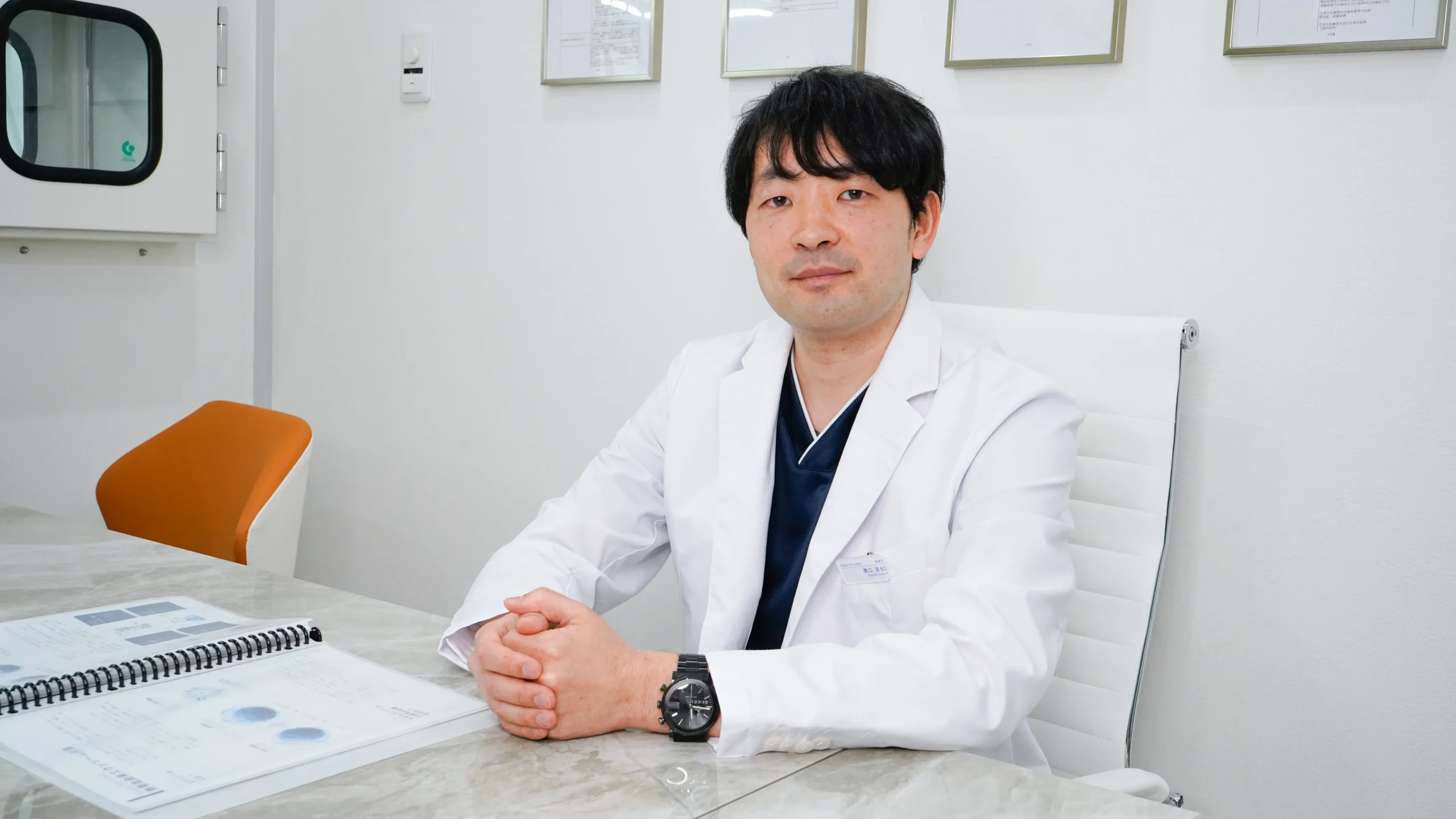
As an orthopaedic surgeon, I have used PRP in the treatment of joints and tendons. At the University of Tokyo Graduate School I researched how adipose-derived stem cells influence the disease mechanisms of knee osteoarthritis, and earned my doctorate in medicine there.
I do not see PRP as a treatment where you simply inject something. I see it as medicine that requires a plan to be designed.
When someone comes to me saying they had PRP elsewhere and it did not work, the first thing I check is the diagnosis. If the diagnosis did not match the indication, a good outcome is difficult to expect — and no quality of PRP will change that.
And to anyone who finds PRP a little frightening: it is a relatively new treatment, but because it is derived from your own blood the risk of allergy to externally sourced substances is considered low, and safety reports have been accumulating. Risk is never zero. But if you have been continuing with conventional treatment and find it hard to see any change, this is exactly the situation I would like to talk through with you.
Once a follicle atrophies it is difficult to bring back, which is why coming in early matters. More fine hair, the scalp starting to show at the crown — that stage is enough. Let’s start simply by looking at the condition of your scalp.
Dr. Junya Higuchi, Director, Ginza YR Clinic
MD, PhD (The University of Tokyo) / Board-Certified Orthopaedic Surgeon / Certified Regenerative Medicine Physician, Japanese Society for Regenerative Medicine / Certified Sports Doctor, Japan Sport Association
With hair loss, the earlier you act, the more options you have.
Dr. Junya Higuchi checks the condition of your follicles with a scalp camera and proposes a suitable combination of PRP, Mesogun delivery and oral medication.
By appointment only | Ginza, Tokyo | Private (self-pay) treatment | AirReserve
Redness or puffiness may occur on the day of treatment (usually settling within a few hours to three days). Bruising occurs rarely (usually resolving within about a week). Allergic reactions to the substances used may occur.
- 1. The Mesogun U225 used in this treatment is an unapproved medical device that has not received approval under Japan’s Pharmaceuticals and Medical Devices Act.
- 2. The device was obtained by the physician through personal importation. (Reference: Ministry of Health, Labour and Welfare, “For those considering purchasing pharmaceuticals from overseas”.)
- 3. There is no domestically approved medical device with equivalent performance approved for the same purpose as this treatment.
- 4. The device holds CE marking as a medical device in Europe, but its safety and efficacy have not been sufficiently confirmed within Japan. Treatment may cause redness, swelling, pain, bruising, bleeding, infection, pigmentation, scarring or allergic reaction at the injection site.
- 5. In the unlikely event of a serious adverse reaction or health injury, the case would fall outside the scope of Japan’s national Relief System for Adverse Drug Reactions.
References
- Hausauer AK, Jones DH. A Double-blind, Placebo-controlled Pilot Study Evaluating the Efficacy of Platelet-rich Plasma. J Am Acad Dermatol. 2020.
- Giordano S, et al. A Meta-analysis on Evidence of Platelet-rich Plasma for Androgenetic Alopecia. Int J Trichology. 2018.
- Gupta AK, et al. Platelet-rich Plasma as a Treatment for Androgenetic Alopecia. J Cosmet Dermatol. 2019.
- Japanese Dermatological Association. Guidelines for the Management of Male and Female Pattern Hair Loss, 2023 edition.
- Ministry of Health, Labour and Welfare. Act on the Safety of Regenerative Medicine.
Reviewed by Dr. Junya Higuchi, Director, Ginza YR Clinic (MD, PhD, University of Tokyo; Board-Certified Orthopaedic Surgeon; Certified Regenerative Medicine Physician, Japanese Society for Regenerative Medicine; Certified Sports Medicine Physician).
This article is written in accordance with Japan’s Medical Advertising Guidelines and the Pharmaceuticals and Medical Devices Act, and makes no definitive guarantee of results. Outcomes vary between individuals, and the same result cannot be guaranteed for everyone. PRP scalp injection is private (self-pay) treatment and is not covered by insurance.