







Twenty years on from the 2006 paper: what iPS cells are, and what happened in 2026.
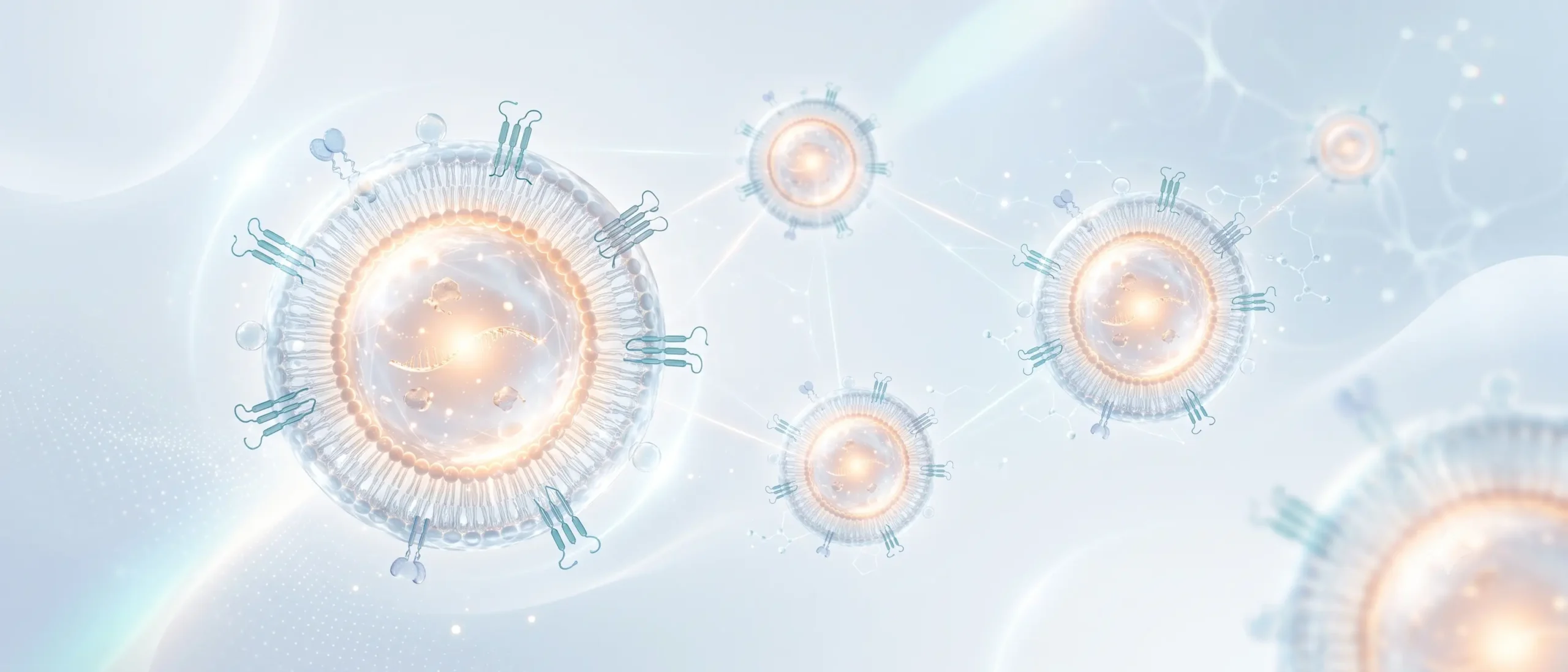
This article covers two things.
② What happened in 2026
① What Are iPS Cells?
In simple terms: cells rewound to the beginning
Once a cell in your body becomes a skin cell, it stays a skin cell for life. It never turns into anything else.
iPS cells reverse that process.
When a handful of specific genes are introduced into a fully developed cell, it returns to a state where it hasn’t decided what to become yet. From there, it can be guided into becoming a nerve cell, a heart cell, or almost anything else.
When they were created
The work was done by Professor Shinya Yamanaka’s team at Kyoto University.
The year 2026 marks exactly 20 years since that first paper.
Why it mattered so much
Before iPS cells, scientists already knew of cells that could turn into any other cell type. They were called ES cells (embryonic stem cells) are taken from an embryo at a very early stage, shortly after the fertilised egg begins dividing. They can become any cell type in the body. They were first obtained in mice in 1981 and established from human cells in 1998. Like iPS cells, they belong to the group known as pluripotent stem cells.
The problem was how to obtain them. ES cells could only be taken from a fertilised egg.
A fertilised egg, left to develop, becomes a person. Once cells are taken from it, that development ends.
For decades this created a global argument: is it acceptable to sacrifice an unborn life in order to save a living patient? Some said yes; others said absolutely not. Several countries banned the research outright, and progress stalled.
iPS cells removed the very premise of that argument.
They are made from ordinary skin or blood cells. A tiny sample is enough, and no one is harmed.
What they can be used for
There are two main applications.
In practice, the second application has been the more widely used one for years.
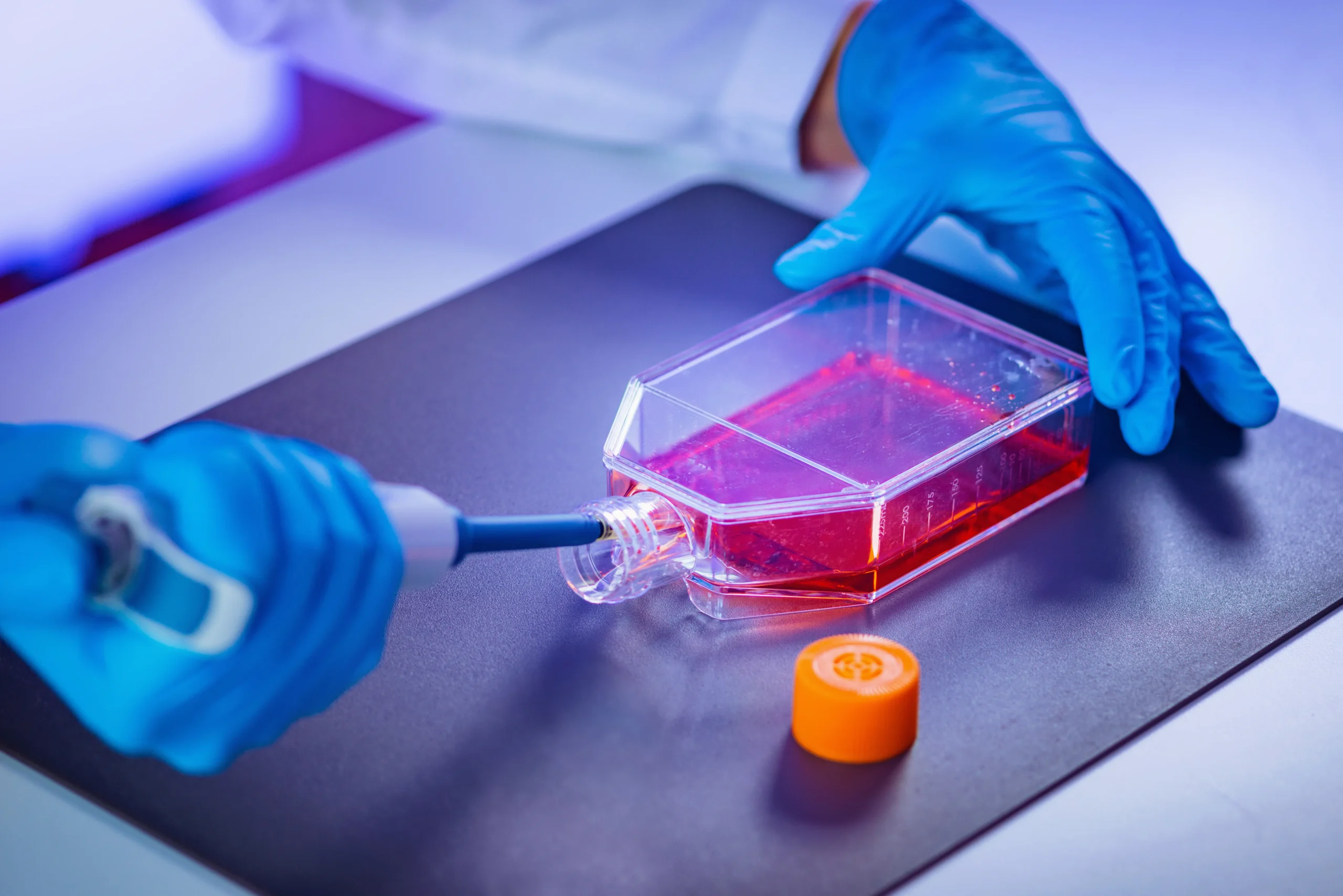
② What Happened in 2026
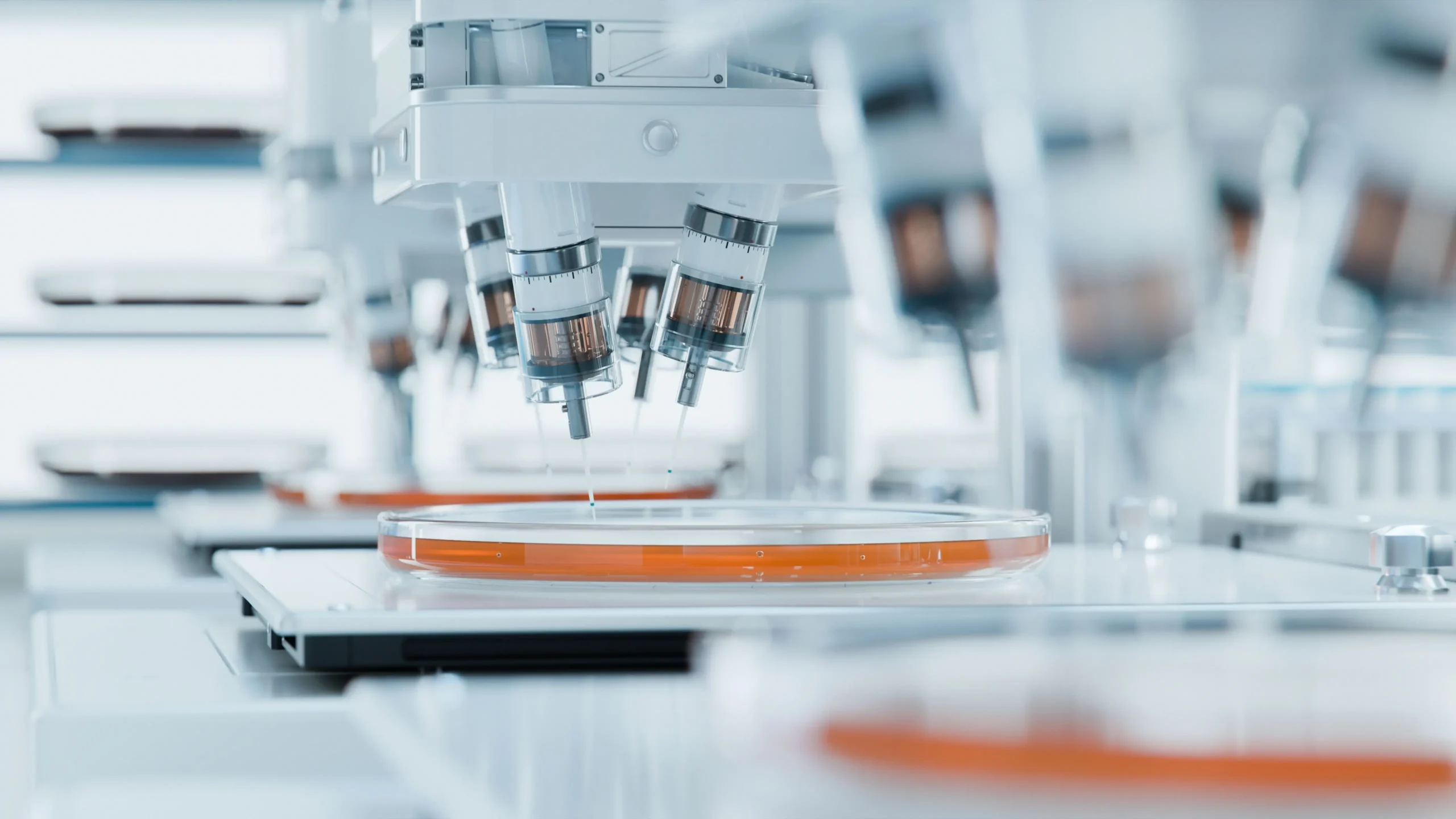
March: Japan approved two treatments for the first time
This was the first time anywhere in the world that a treatment product made from iPS cells received national approval.
Both were granted “conditional and time-limited approval.” This means they were approved at the stage where safety has been confirmed and effectiveness looks promising. Over the next seven years, data must continue to be gathered through actual treatment. Only once that data is sufficient does it become a full approval.
It does not mean effectiveness has been definitively established.
May and July: both became covered by insurance
After approval, both products were brought under Japan’s public health insurance.
Both figures are high, but because insurance applies, what a patient actually pays depends on schemes such as Japan’s High-Cost Medical Expense Benefit system.
January: early results in cancer treatment were published
RIKEN and Chiba University Hospital created immune cells that attack cancer from iPS cells, and administered them to patients with head and neck cancer. The results were published in January 2026.
Of the eight patients evaluated by imaging, five showed stable tumour size during the trial period, and in two of those, tumour growth was reported to have been suppressed.
This was a Phase I trial, meaning its main purpose was to confirm safety. Practical use is still some way off, but the direction is now visible.
Research is also under way in type 1 diabetes, spinal cord injury, and corneal disease, among others.
Sources
- Sumitomo Pharma, announcement of marketing approval for AMCHEPRY, 6 March 2026 https://www.sumitomo-pharma.co.jp/news/20260306.html
- Science Japan (JST), “Japan gives first-ever approval to regenerative medicine products using iPS cells,” 18 May 2026 https://sj.jst.go.jp/stories/2026/s0518-01p.html
- Nikkei Biotechnology, on the insurance listing of RiHeart, 22 July 2026 https://bio.nikkeibp.co.jp/atcl/news/p1/26/07/22/14822/
- RIKEN, on iPS-NKT cells in cancer treatment, 19 January 2026 https://www.riken.jp/press/2026/20260119_1/index.html
- Chiba University Hospital, press announcement on immune cell therapy for head and neck cancer, 19 January 2026 https://www.ho.chiba-u.ac.jp/hosp/news/news_260119.html
Last updated: ● ● 2026 / Regulations and approval status may change. Please check each organisation’s published material for the latest information. Sources are listed in the original Japanese with their original links.
This article is provided for informational purposes and does not guarantee any specific treatment outcome. The approved products described here can only be provided at a limited number of institutions and are not available at general aesthetic clinics. All regulatory frameworks referred to are those of Japan.