









In the morning, your lower back feels heavy when you get up. After desk work, your back stiffens when you stand. Acupuncture helps for the day, but within a few days the pain returns. At the orthopedic clinic, you were told, “Let’s monitor it.” And before you know it, this condition has become your “normal.”
Even though you take proper care, it comes back again. In that cycle, have you started to feel somewhere inside that “this is something I’ll just have to live with forever”?
“Feeling better” and “being healed” are not always the same.
If that resonates with you, it may be time to consider changing the starting point of your approach.
- ▸Why chronic low back pain is “hard to cure” (causes and mechanisms)
- ▸Why previous treatments did not provide lasting results
- ▸How adipose-derived stem cell (ASC) therapy works and the research behind it
- ▸Treatment flow, costs, safety, and frequently asked questions
*This article is intended to provide medical information and does not guarantee specific effects or treatment outcomes. If you have symptoms, please consult a specialist.
Why chronic low back pain doesn’t improve — Why does it hurt even when tests show “no abnormalities”?
Among cases of low back pain, many are difficult to accurately identify the cause through imaging tests alone, and it was once said that “85% are of unknown origin.” Today, with advances in diagnostic techniques, combining careful interviews with specialized evaluations allows the cause to be identified in many cases. Even so, determining the cause of chronic low back pain is not straightforward, and many people continue to experience pain despite being told there are “no abnormalities” on tests.
When told there are no abnormalities, you may have wondered, “Maybe it’s just in my head.” However, it is not imaginary—pain often originates from areas that do not appear on MRI or X-rays, which is not uncommon in chronic low back pain. “No abnormality on imaging” does not mean “no problem.”
*Reference: Supervised by the Japanese Orthopaedic Association and the Japan Low Back Pain Society, “Clinical Practice Guidelines for Low Back Pain 2012” and “Clinical Practice Guidelines for Low Back Pain 2019, 2nd Edition”
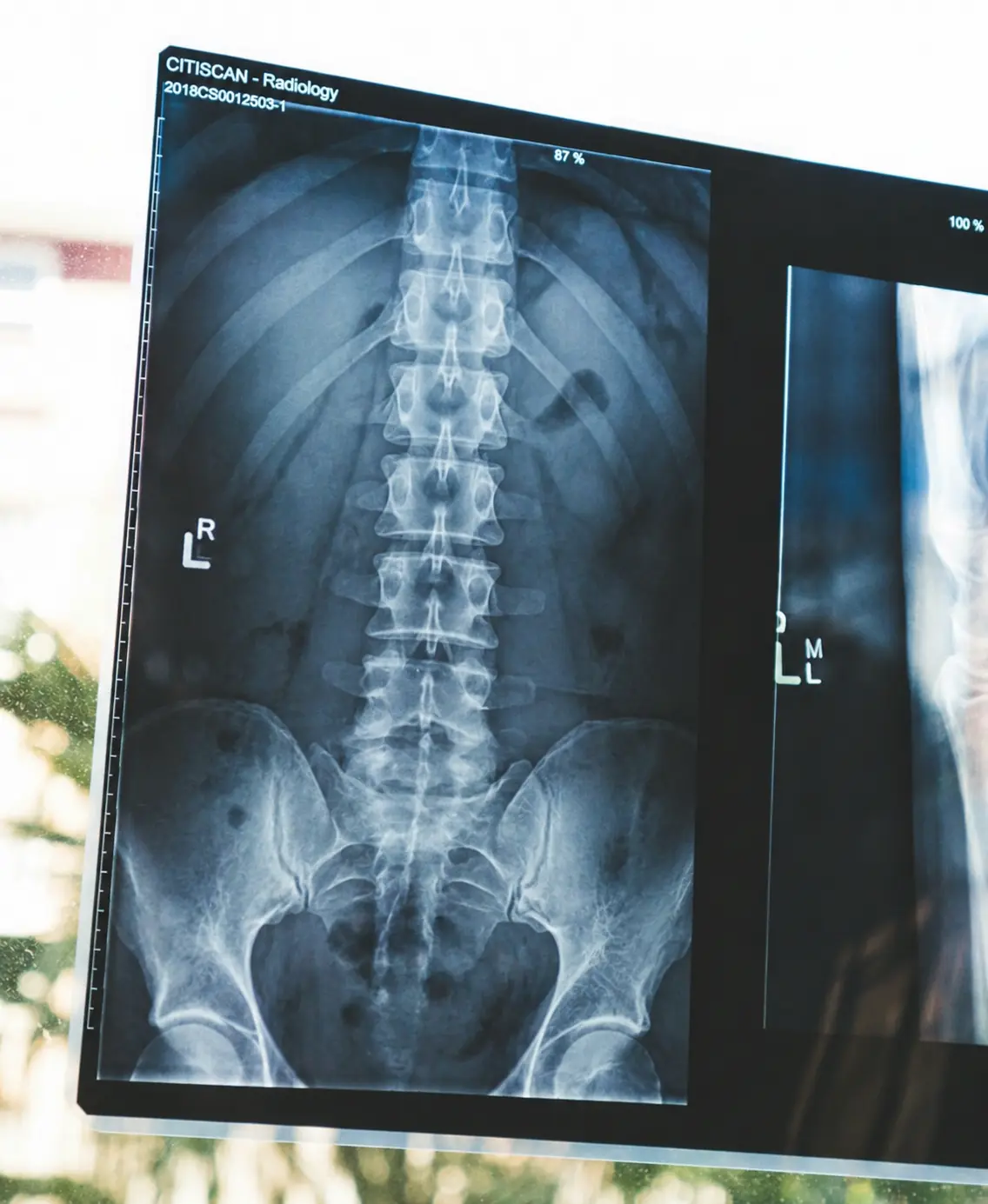
Why does low back pain become chronic?
Acute low back pain often improves within a few weeks. However, when pain persists for more than three months, it transitions into “chronic low back pain” and becomes harder to treat. There are two main reasons for this.
① Tissue damage remains
Intervertebral discs and facet joints have limited blood supply and low self-repair capacity. Once damaged, they do not heal easily on their own, and chronic inflammation may persist.
② Pain is remembered by the brain
When pain persists for a long time, the brain and spinal cord may form a “pain circuit,” causing you to continue feeling pain regardless of the actual condition of the tissue. This is one of the mechanisms of chronic pain.
Main types of chronic low back pain
| Type | Characteristics | Visibility on imaging |
| Discogenic low back pain | Pain due to degeneration or tears of intervertebral discs | Sometimes visible on MRI |
| Facet joint pain | Pain caused by degeneration of spinal joints | Often difficult to detect |
| Myofascial low back pain | Chronic inflammation of muscles and fascia | Rarely visible |
| Neuropathic pain | Condition of hypersensitized nerves | Difficult to assess through imaging |
- ▸It improves once, but returns within days to weeks
- ▸You were told there are “no major abnormalities” in tests
- ▸You continue treatment but do not feel any real improvement
- ▸You’ve started to think, “I’ll just have to live with this”
If two or more apply, a different perspective or approach may be necessary.
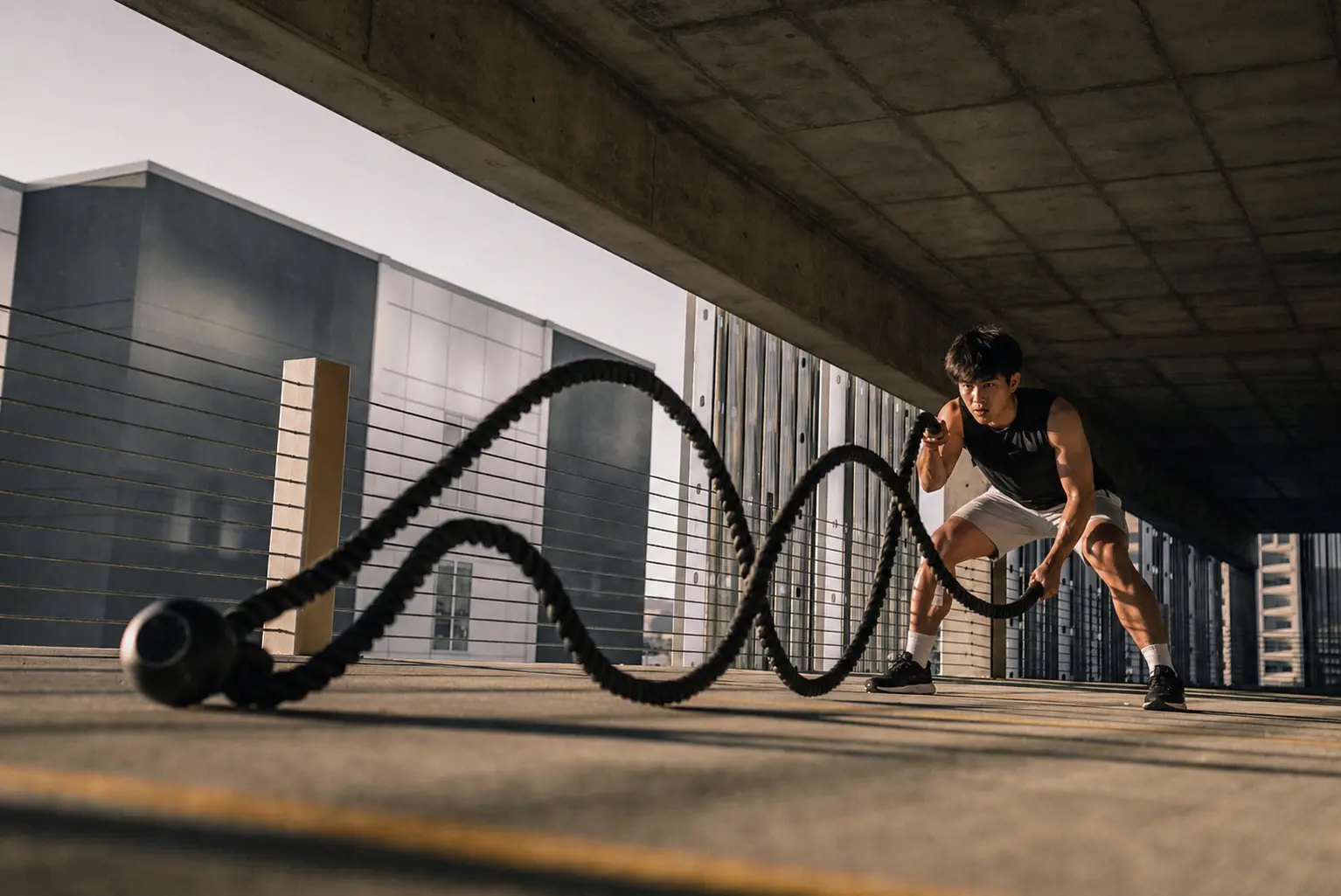
Why acupuncture, orthopedics, and rehabilitation may not lead to improvement
Even when you diligently continue treatment, many people are left feeling that “it just comes back anyway.” There is a reason for this. One factor is that many treatments for chronic low back pain are designed to “suppress pain,” rather than directly address damaged tissue, meaning their approach differs fundamentally.
| Treatment | What it targets | Limitations |
| Painkillers / topical patches | Suppress symptoms caused by inflammation | No direct effect on tissue; temporary relief |
| Acupuncture / massage | Relieves muscle tension and improves blood flow | Duration of effect varies widely among individuals |
| Nerve block injections | Temporarily suppress pain signals locally | Limited impact on long-term tissue repair |
| Rehabilitation / exercise therapy | Improves muscle strength and posture | Limited if underlying tissue damage remains |
| Surgery | Removes physical compression | Highly invasive; limited indications |
While managing daily life by suppressing pain has its value, a different approach may be required when seeking direct effects on damaged tissue.
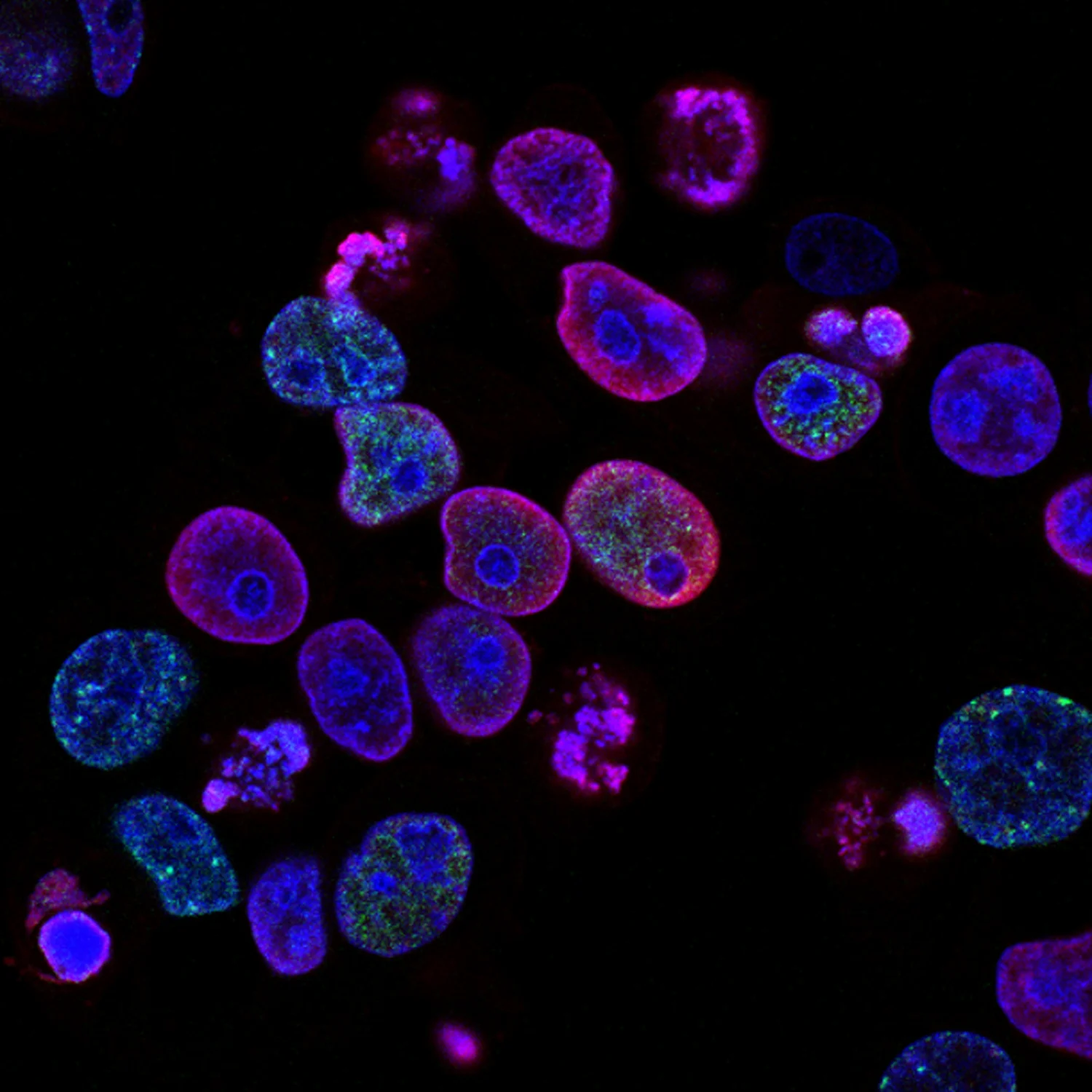
Targeting tissue repair — Adipose-Derived Stem Cell (ASC) Therapy
From here, Dr. Junya Higuchi, our certified regenerative medicine specialist, provides an explanation.
Dr. Junya Higuchi, Director of Ginza YR Clinic, is a board-certified orthopedic specialist, certified regenerative medicine physician, and a certified sports doctor by the Japan Sports Association. He also completed his doctoral program at the Graduate School of Medicine, The University of Tokyo. Physicians specializing in all three areas are extremely rare nationwide.
At The University of Tokyo, he was engaged in stem cell research and academic presentations, and has performed over 20,000 outpatient treatments and more than 1,000 surgeries. One of the key strengths of our clinic is that a single physician consistently handles diagnosis, musculoskeletal evaluation, and assessment for regenerative medicine indications.
What are “stem cells”?
Stem cells are cells that have the ability to differentiate into various types of cells and to self-renew. When the body is injured, stem cells gather at the damaged site and are believed to secrete substances that promote tissue repair. In youth, stem cells are abundant and regenerative capacity is high, but both decline with age.
How adipose-derived stem cell (ASC) therapy works
A very small amount of subcutaneous fat—about the size of 2–3 grains of rice—is harvested from the abdominal area. Stem cells contained in this fat are then cultured and expanded in a specialized facility, and after several weeks, they are returned to the body via intravenous infusion or localized injection into the affected area.
Once reintroduced into the body, stem cells are expected to perform the following functions:
- ▸Anti-inflammatory effects that help suppress chronic inflammation
- ▸Secretion of growth factors that promote tissue repair
- ▸Modulation of immune balance (immunoregulatory effects)
Research Evidence
At the Department of Orthopaedic Surgery at Tokai University, regenerative medicine research using adipose-derived stem cells for intervertebral discs and cartilage has been conducted, and these efforts have been reported in academic journals. In addition, at The University of Tokyo, where the clinic director previously worked, research on musculoskeletal regenerative medicine using adipose-derived stem cells has also been carried out.
At present, this treatment is not established as a standard therapy covered by insurance, and results may vary between individuals. The same outcomes cannot be guaranteed for everyone.
*References: The Japanese Journal of Rehabilitation Medicine Vol.56 No.9 (2019) “Treatment of Intervertebral Disc Disorders Using Regenerative Medicine Technology”; Tokai University School of Medicine, Department of Orthopaedic Surgery; The University of Tokyo Department of Orthopaedics and Cartilage/Bone Regeneration official website
Frequently Asked Questions About Stem Cell Therapy for Chronic Low Back Pain
Q1 Does it really work?
If you’ve tried various treatments without improvement, it’s natural to wonder, “Maybe this won’t work either.”
ASC therapy is not about simply “suppressing pain,” but about “directly acting on tissue.” For those who have not experienced sufficient improvement with conventional treatments, it may be considered as a new option.
However, the same results are not guaranteed for everyone, and outcomes vary between individuals depending on factors such as the severity of the condition, age, and duration of chronic symptoms. At our clinic, we evaluate your current condition during the initial consultation and explain whether the treatment is appropriate and what kind of improvement can be expected.
Q2 Is my condition eligible for this treatment?
*Final eligibility will be determined during consultation. Even if applicable, some cases may not qualify.
- ・Numbness in the legs or difficulty applying strength
- ・Symptoms worsen when walking and improve with rest (possible spinal stenosis)
- ・Pain after a fall, fever, severe nighttime pain, or urinary/bowel abnormalities
- ・You have been diagnosed with discogenic low back pain due to disc degeneration or damage
- ・You have been diagnosed with low back pain due to facet joint degeneration
- ・You have chronic low back pain lasting over six months without leg numbness or urinary issues, and multiple treatments have not improved your condition
Q3 Is it safe? Is it suspicious?
Some people may wonder, “Isn’t this an expensive and questionable treatment?” In Japan, ASC therapy is regulated under the Act on the Safety of Regenerative Medicine and can only be provided by facilities that have submitted notification and undergone review by the government.
Because your own cells are used, rejection reactions are unlikely, and based on current reports, serious side effects are rare. Short-term reactions may include temporary pain or swelling at the harvesting or injection site, and in rare cases, mild fever.
Ginza YR Clinic meets the following three criteria:
Our clinic provides treatment after completing this required notification. Note that “notification” does not mean government approval of effectiveness or safety, but rather compliance with legally required procedures.
Dr. Higuchi is both a board-certified orthopedic specialist and a certified regenerative medicine physician.
During consultation, we carefully explain not only stem cell therapy but also your current condition and available options.
Q4 Does fat harvesting hurt? Is it like surgery?
Local anesthesia is used, so there is minimal pain during the procedure. The incision is about 2 mm, and only a very small amount of fat—about 2–3 grains of rice—is collected. Scarring is minimal. No hospitalization is required; you can go home the same day and even take a shower.
Q5 When can I return to work after treatment?
Many patients resume normal daily activities the following day. For desk work, most people return the next day.
*As this varies by individual, please decide based on your physical condition. It is recommended to avoid intense exercise or heavy labor for about one month after treatment.
Q6 How much does it cost?
Regenerative medicine is not covered by insurance, so all costs are paid out of pocket. Detailed costs will be explained during the consultation along with the treatment plan and number of sessions.
You can first attend a consultation (¥3,300), where you will be able to review eligibility, treatment details, and costs before making a decision. There is no obligation to proceed with treatment on the same day.
Q7 What happens if I don’t see results?
In some cases, sufficient improvement may not be achieved. In such situations, we will explore other options together, such as enhancing exercise therapy, incorporating psychological approaches, or referring you to another specialist. Our policy is to help you find the best option for your specific condition.
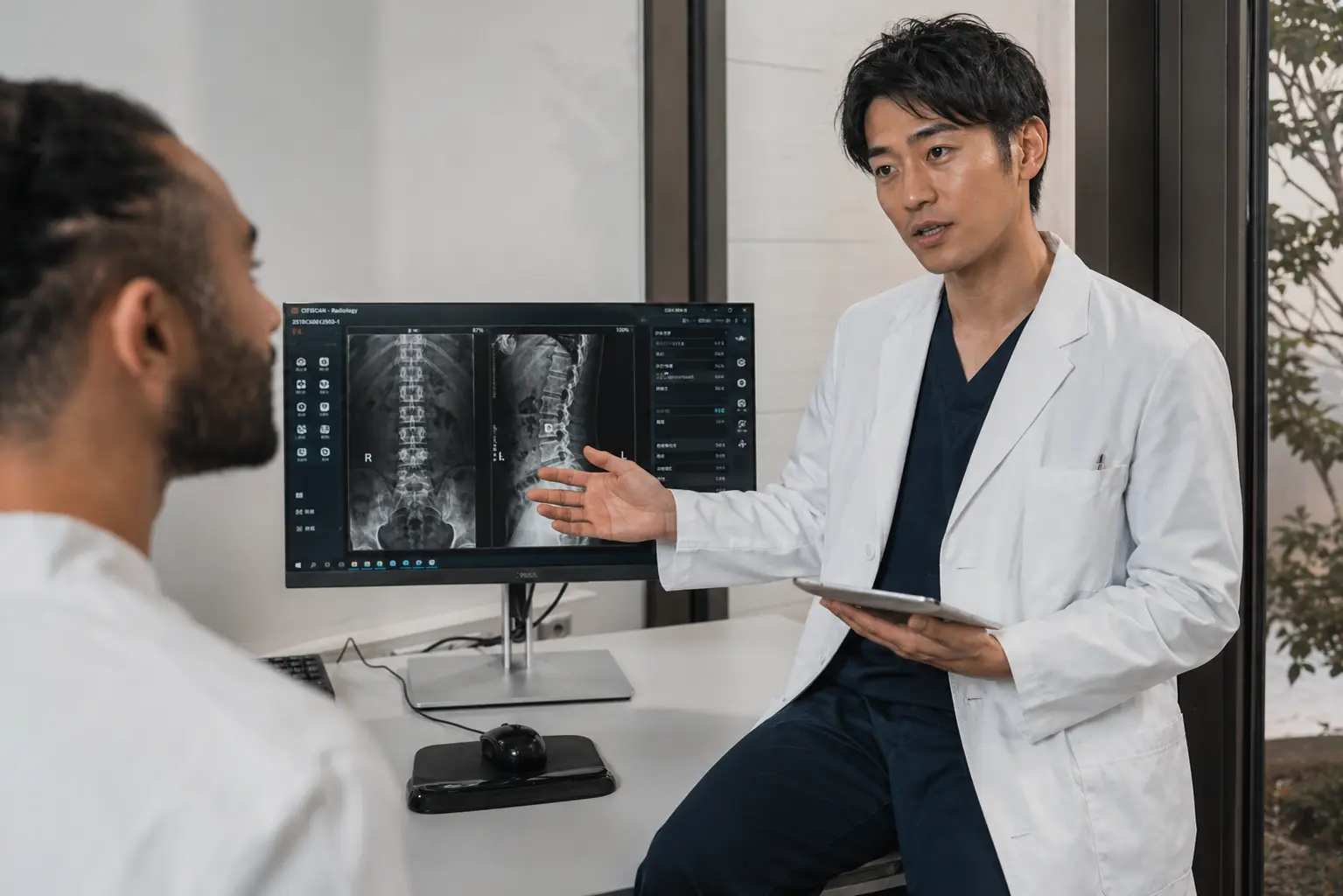
Summary: A Checklist of What You Can Do Now for Chronic Low Back Pain
Many cases of chronic low back pain have underlying factors that make them difficult to improve with pain suppression alone. While reviewing lifestyle habits is essential, considering approaches that directly target the affected tissue may be the next step.
- ✓Check for “red flag” symptoms such as leg numbness or urinary abnormalities
- ✓If there has been no improvement for over six months, consider changing your approach
- ✓Understand the difference between conventional pain-relief approaches and treatments targeting tissue directly
- ✓Confirm through consultation whether ASC therapy suits your condition
- ✓Make a decision after fully understanding the costs and risks
“Pain is not the beginning of degeneration, but a delayed signal.” The longer a condition is left without improvement, the fewer options remain. If you find yourself “living with the assumption that it won’t improve,” it may be worth taking the time—even once—to reassess your current condition.
*This article is intended to provide medical information and does not guarantee specific treatment outcomes. If you have symptoms, please consult a specialist.
In accordance with the Act on the Safety of Regenerative Medicine, adipose-derived stem cell (ASC) therapy is provided only under the professional judgment of physicians who have submitted the required notifications to regulatory authorities. Results vary between individuals, and eligibility depends on the type and progression of the condition. At our clinic, we first conduct a comprehensive evaluation and confirm with a specialist whether the treatment is appropriate before making any recommendations.
Next Steps for Those Interested
If you’re wondering, “What is the actual condition of my back pain?” we recommend starting with these two steps.
Use X-ray or MRI scans to objectively assess the structural condition of your lower back.
Bring your results and discuss whether conservative treatment is sufficient or if ASC therapy could be an option.
About Ginza YR Clinic
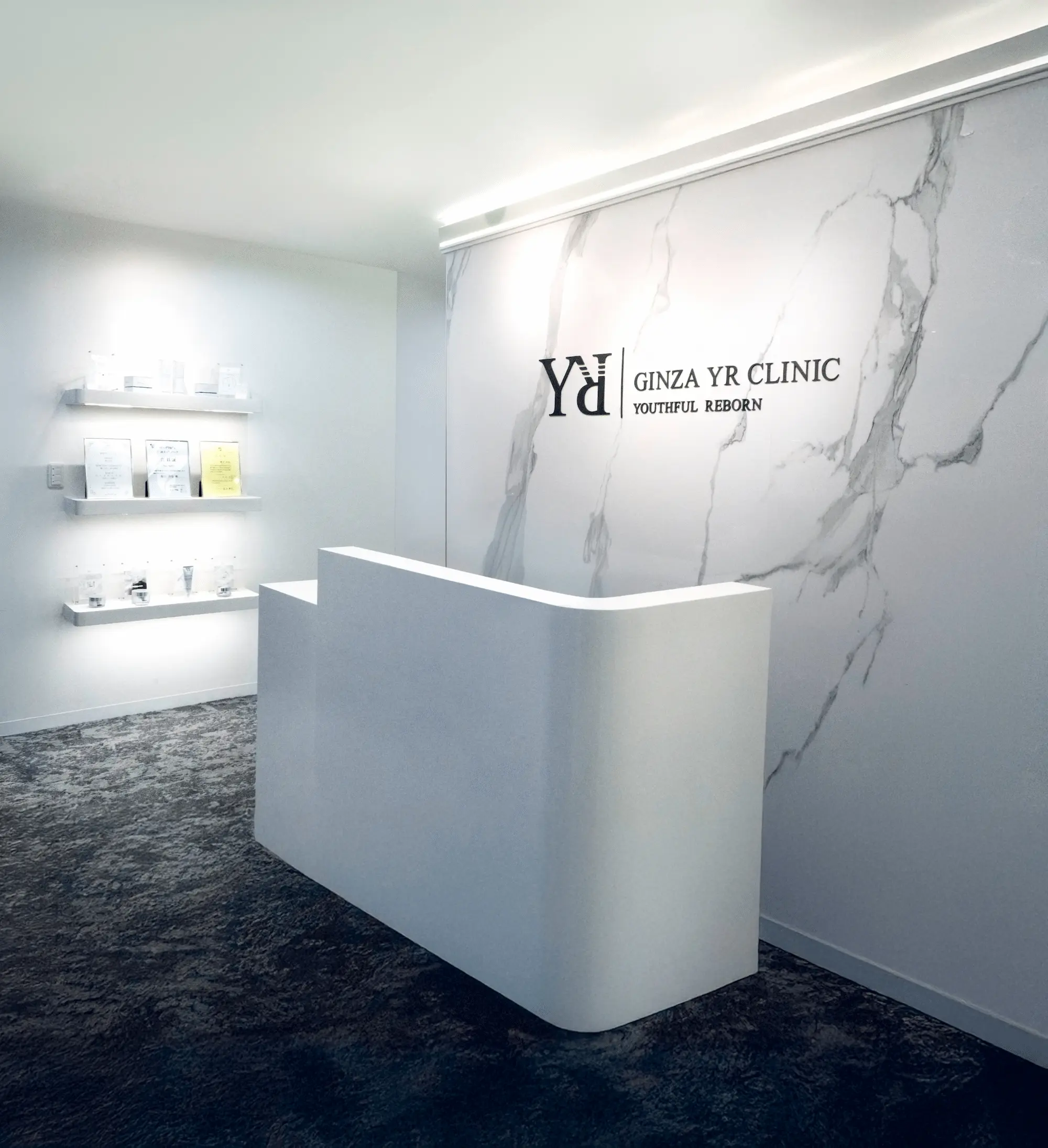
“Ageing Well” — not resisting aging, but growing older in a healthy and authentic way.
Ginza YR Clinic is a regenerative medicine clinic in Ginza, Tokyo, specializing in adipose-derived stem cell (ASC) therapy, combined with joint care, anti-aging, and aesthetic medicine. Our specialists comprehensively evaluate each individual’s condition and propose treatment plans that support long-term health, based on scientific evidence and appropriate medical management.
Next Article
What You Should Know Before Surgery — When to Consider ASC Regenerative Medicine and How to Decide
When conservative treatments no longer provide relief, regenerative medicine may become an option. This article clearly explains eligibility criteria, treatment flow, and how specialists make decisions.
References
- •Japanese Orthopaedic Association & Japan Low Back Pain Society (eds.), “Clinical Practice Guidelines for Low Back Pain 2019, 2nd Edition,” Nankodo, 2019.
- •The Japanese Journal of Rehabilitation Medicine Vol.56 No.9 (2019), “Treatment of Intervertebral Disc Disorders Using Regenerative Medicine Technology,” Tokai University School of Medicine, Department of Orthopaedic Surgery