









Ginza YR Cell Culture Centre(銀座YR細胞培養センター)
Ginza YR Cell Culture Centre
On-site Culture and Management of Your Own Cells
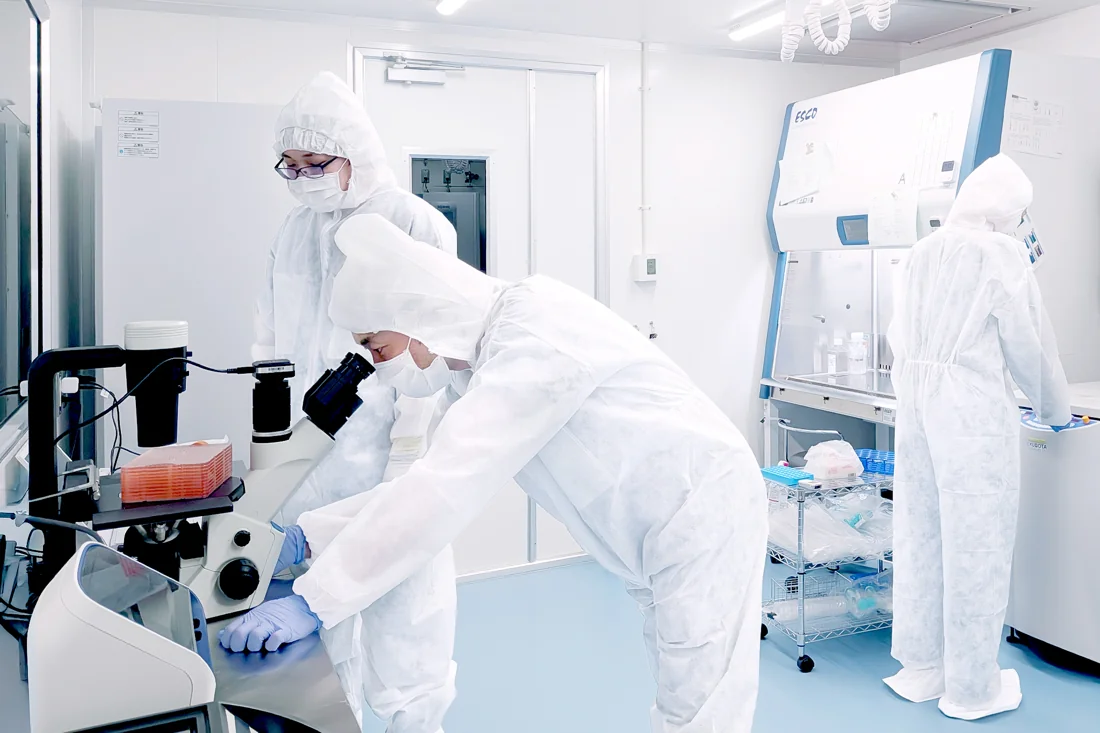
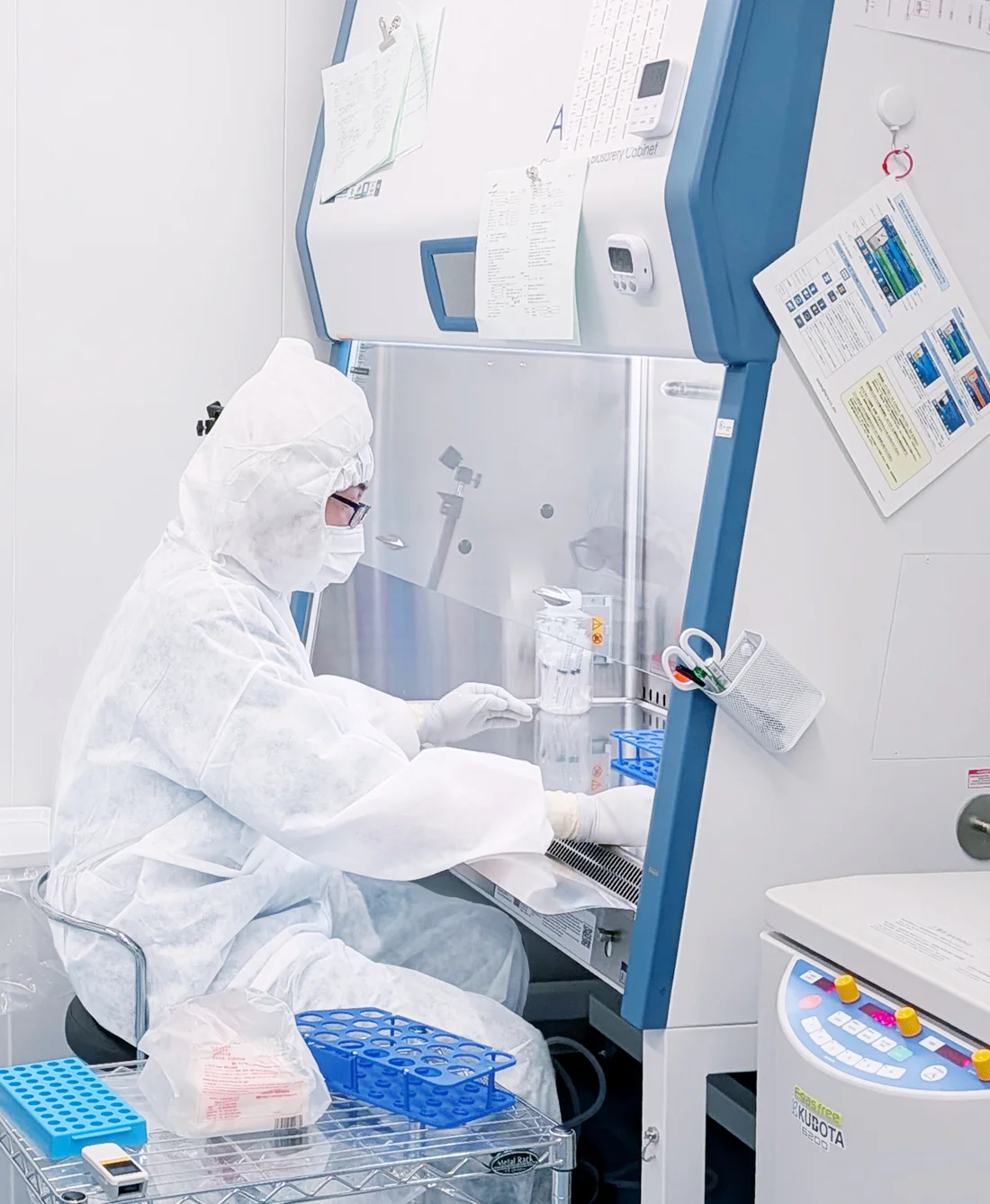
Ginza YR Clinic is home to an on-site cell processing centre (CPC), Ginza YR Cell Culture Centre(銀座YR細胞培養センター), where we culture and manage patients’ own cells for use in regenerative medicine. From medical consultations to cell culture and quality checks, each stage is closely coordinated within the clinic. Our doctors and cell culture staff work together to align cell culture and management with each patient’s care, paying careful attention to every stage.
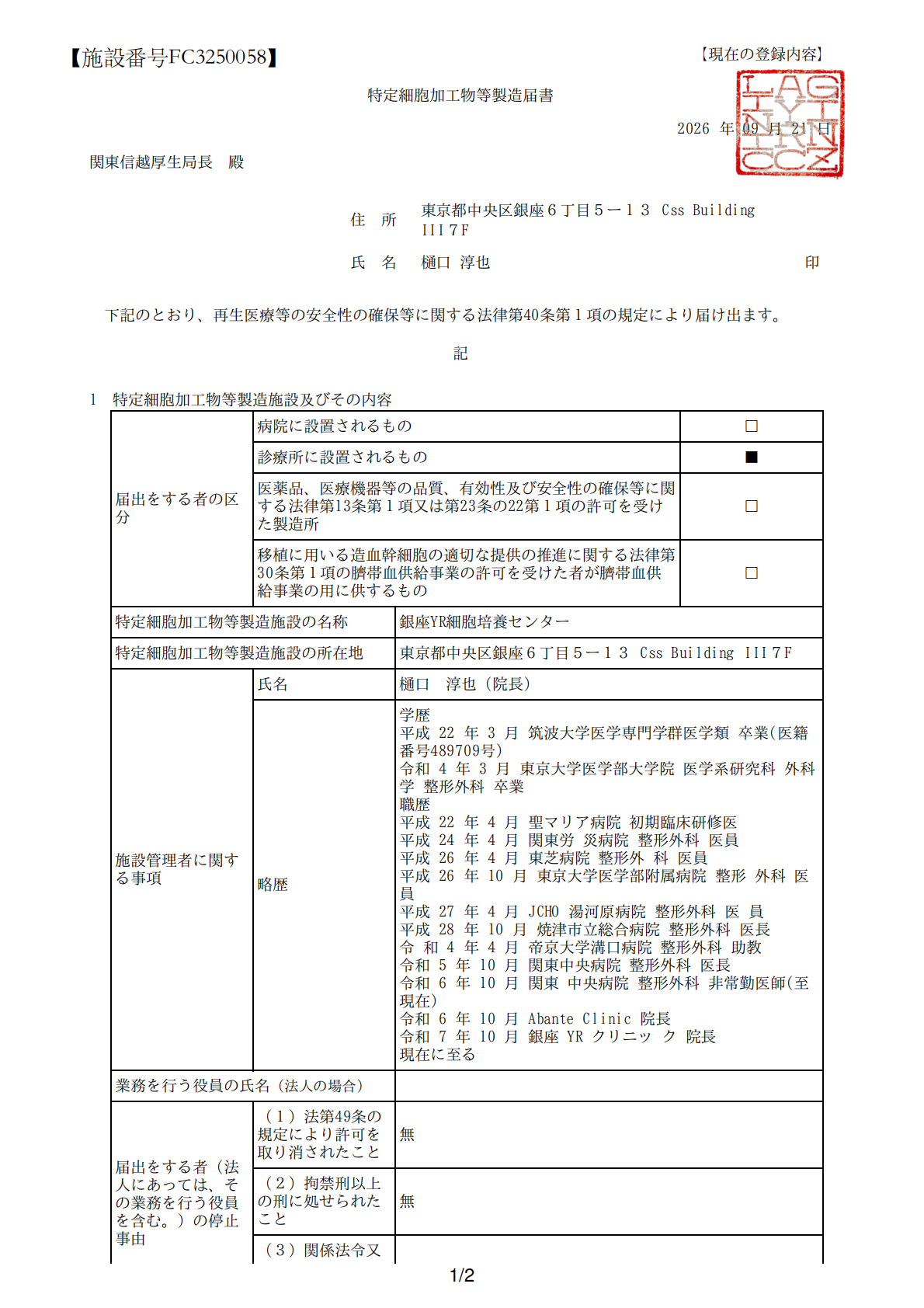
Facility name: Ginza YR Cell Culture Centre(銀座YR細胞培養センター)
Facility number: FC3250058
What Is a CPC (Cell Culture and Processing Facility) - 銀座YR細胞培養センター ?
A CPC is a facility where cells for use in regenerative medicine are cultured and processed under appropriate environmental conditions and management procedures. Ginza YR Cell Culture Centre(銀座YR細胞培養センター) is a cell culture and processing facility for which a notification has been submitted to Japan’s Ministry of Health, Labour and Welfare (Kanto-Shinetsu Regional Bureau of Health and Welfare) under the Act on the Safety of Regenerative Medicine. Cells collected from patients are cultured and processed on site, then undergo the necessary quality checks before being used for treatment.
Facility name: Ginza YR Cell Culture Centre(銀座YR細胞培養センター)
Facility number: FC3250058
Inside Our On-site CPC
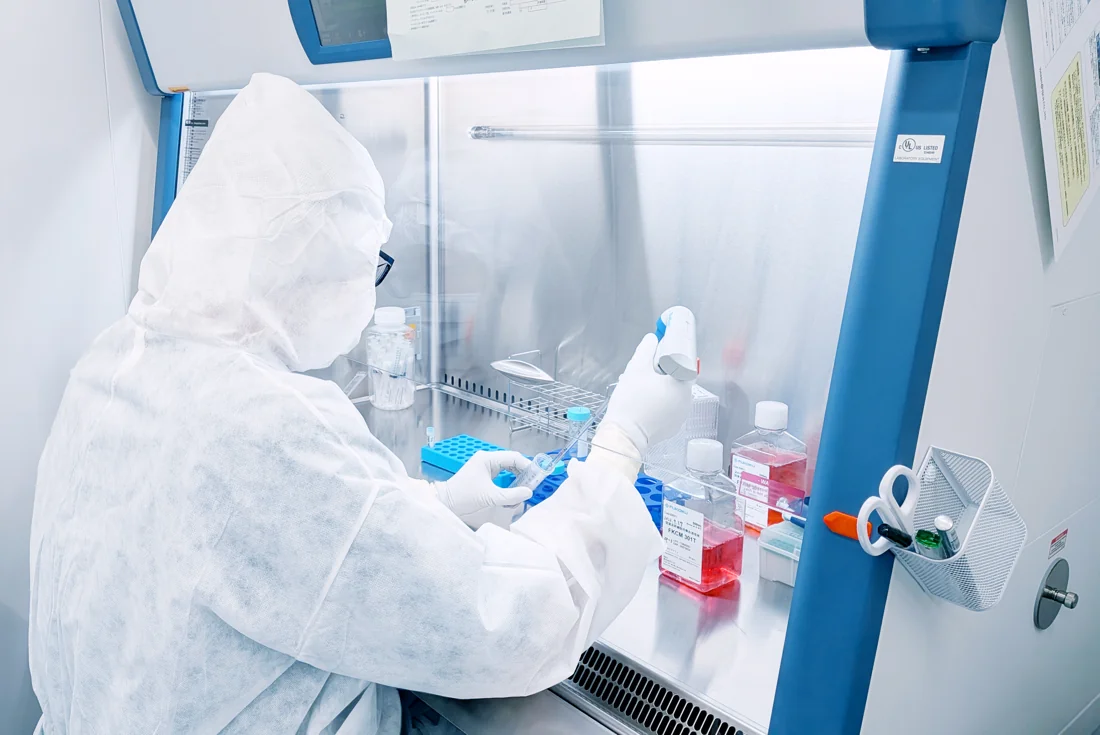
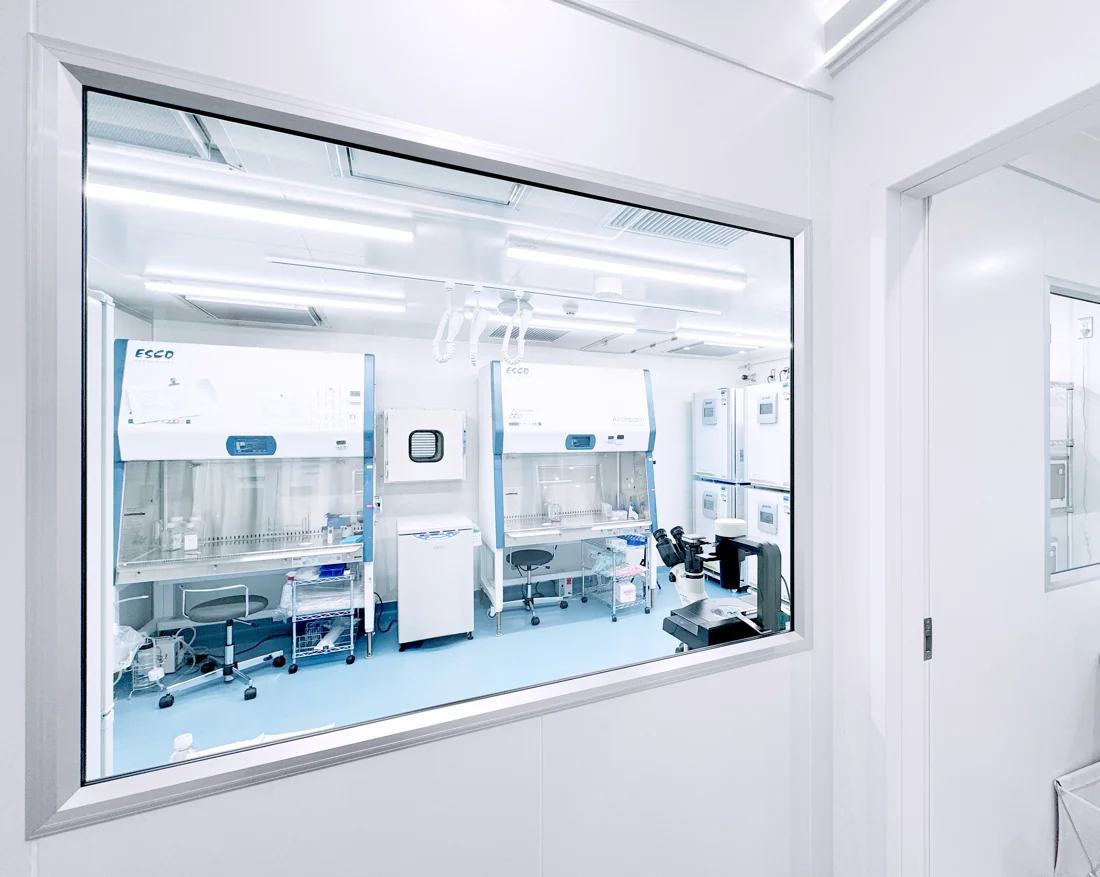
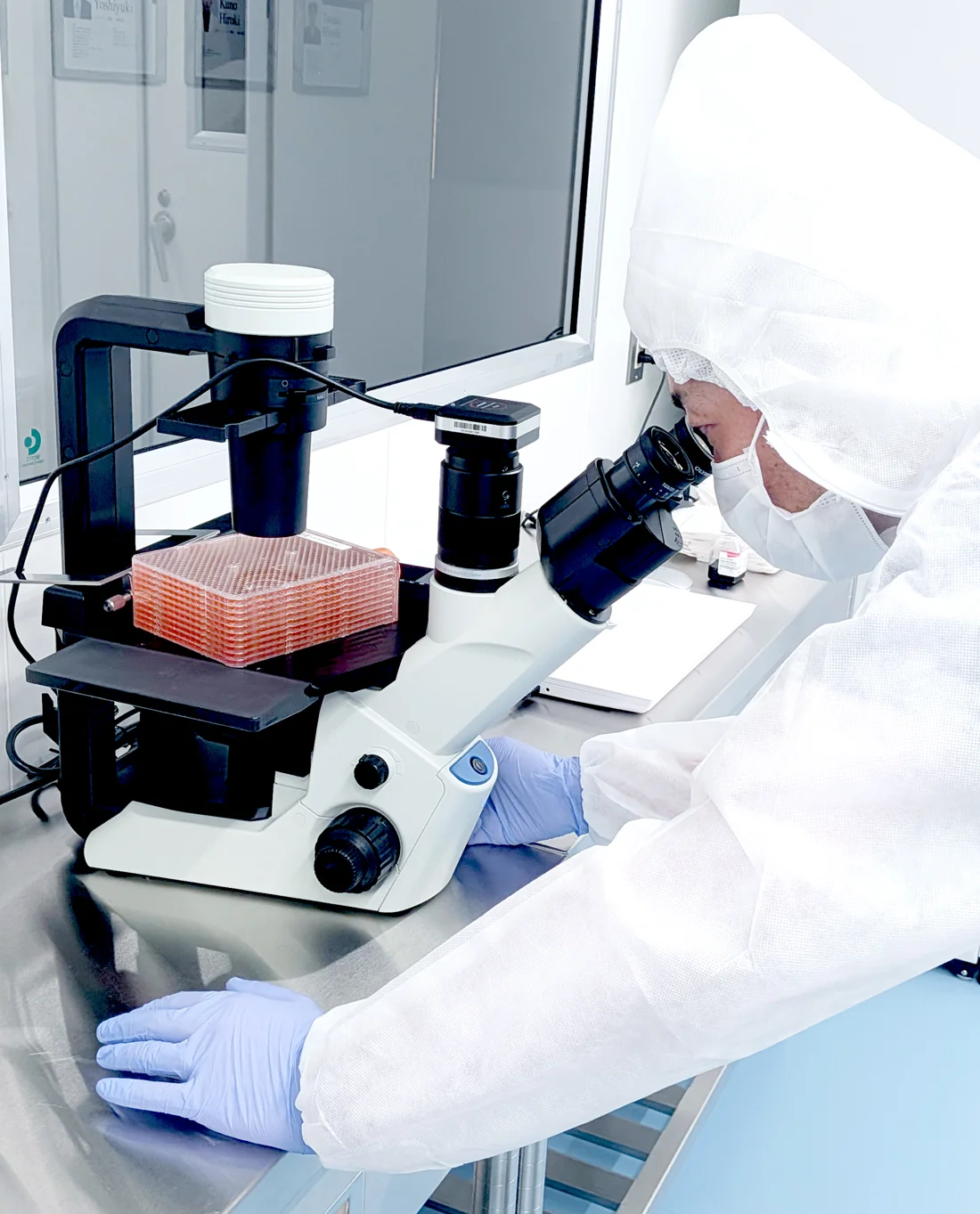
Why Ginza YR Clinic Established an On-site CPC(銀座YR細胞培養センター)
We see medical consultation, cell culture and treatment as parts of one continuous process of care. We established an on-site CPC so that our doctors and cell culture staff can share information and plan treatment based on a clear understanding of the cells’ condition.
We believe it is important to help you understand your health from a medical perspective, so you can make sense of your symptoms or condition as you proceed with treatment. Regenerative medicine using your own cells is one treatment option. Our on-site CPC supports the provision of regenerative medicine at Ginza YR Clinic.
We do not recommend cell therapy to every patient. We assess your medical needs and discuss your preferences, considering standard treatments alongside other options to recommend the treatment best suited to your individual circumstances.
Director-led Quality Management and Oversight, from Patient Care to On-site Cell Preparation
We carefully check the cells at each stage and plan treatment for the right time.
The clinic director serves as the facility manager and is responsible for quality control. The director reviews culture progress and quality check results with our cell culture staff, keeping cell management closely coordinated with patient care.
Integrated On-site Management, from Patient Care to Cell Preparation
We manage every stage, from medical care to cell preparation, within the clinic. Keeping cells on site eliminates transport-related risks and avoids the need for additional processing for transport.
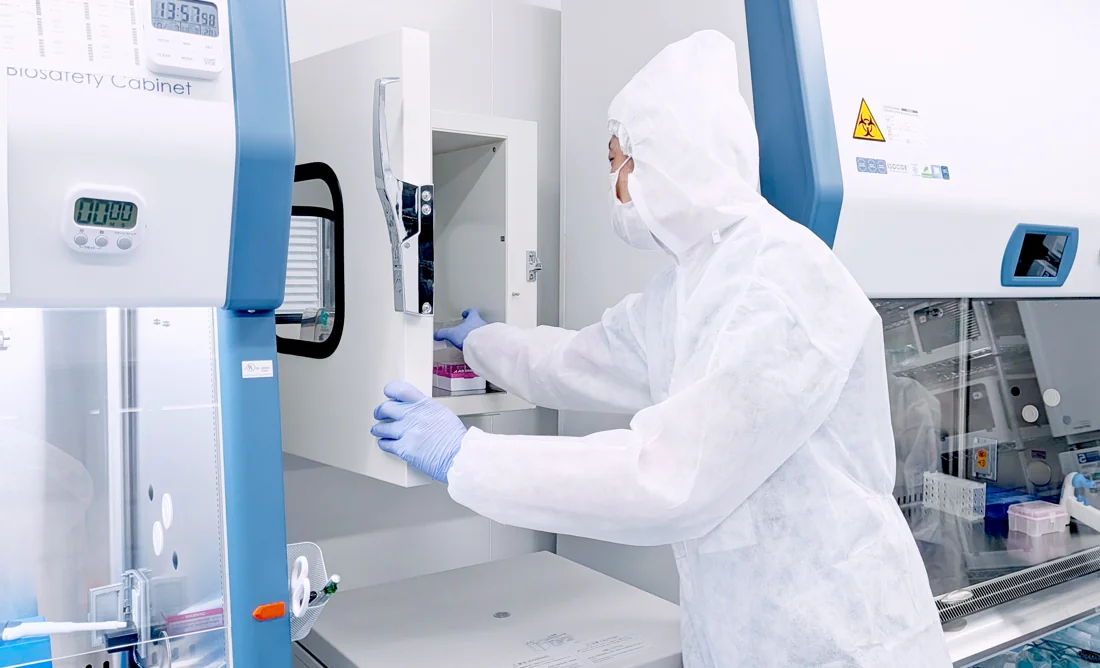
Quality Checks at Three Stages to Guide Treatment Decisions
We carry out quality checks when tissue is collected, during cell culture and once the final cell preparation is ready. Your doctor considers the results, the condition of the cells and your health to determine whether the cells can be used for treatment.
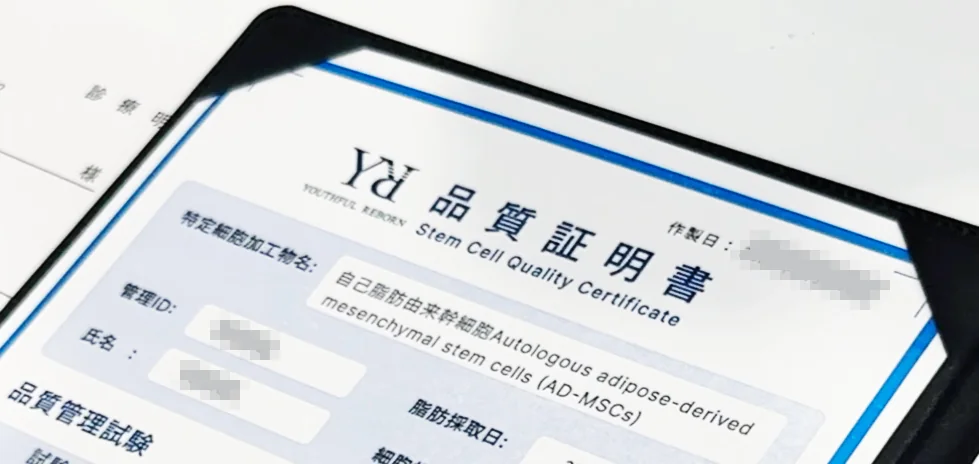
A Report of Your Cell Culture Results
Your report includes the cell count, viability and test results, allowing you to review the condition of the cells intended for your treatment and the checks performed.
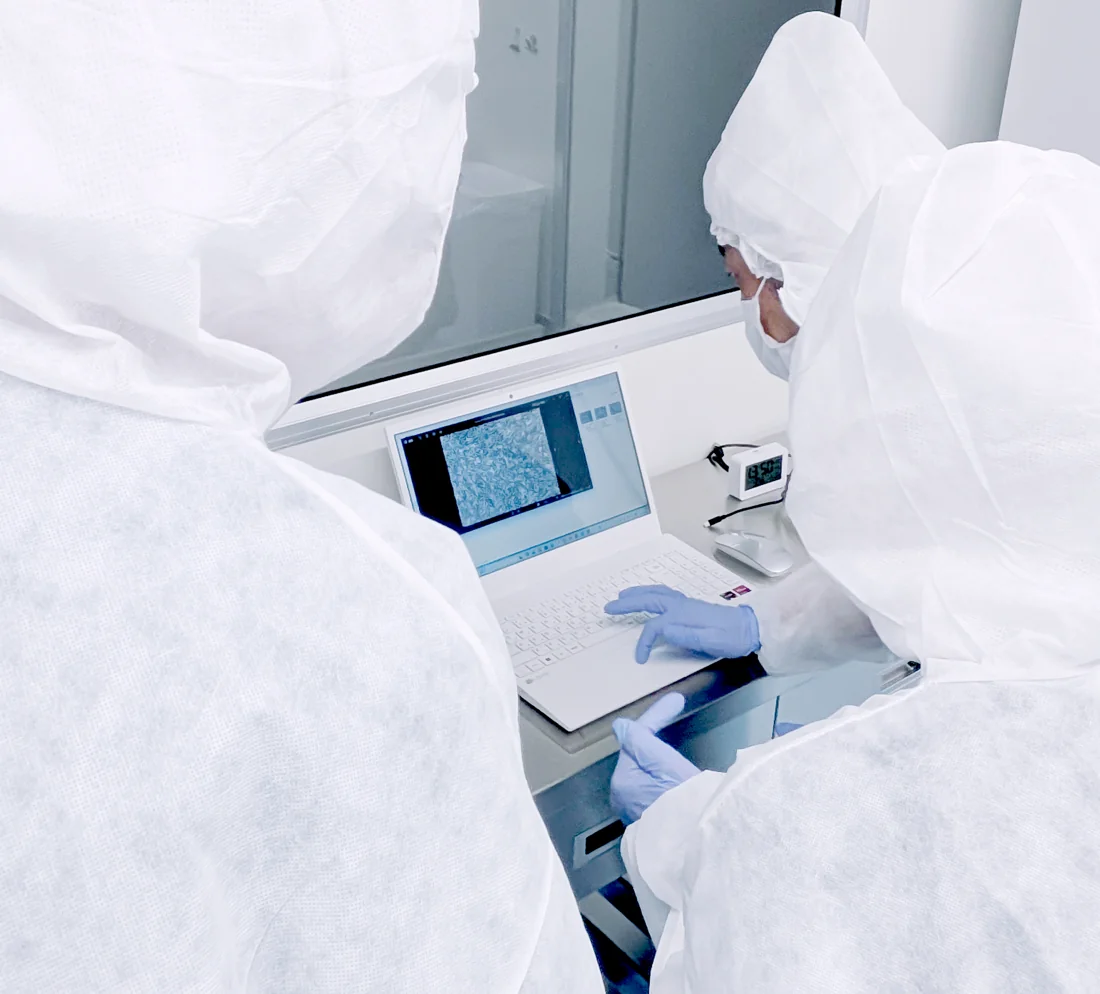
A Window into the Cell Culture Room
A window into the cell culture room allows you to see the environment in which the cells are grown.
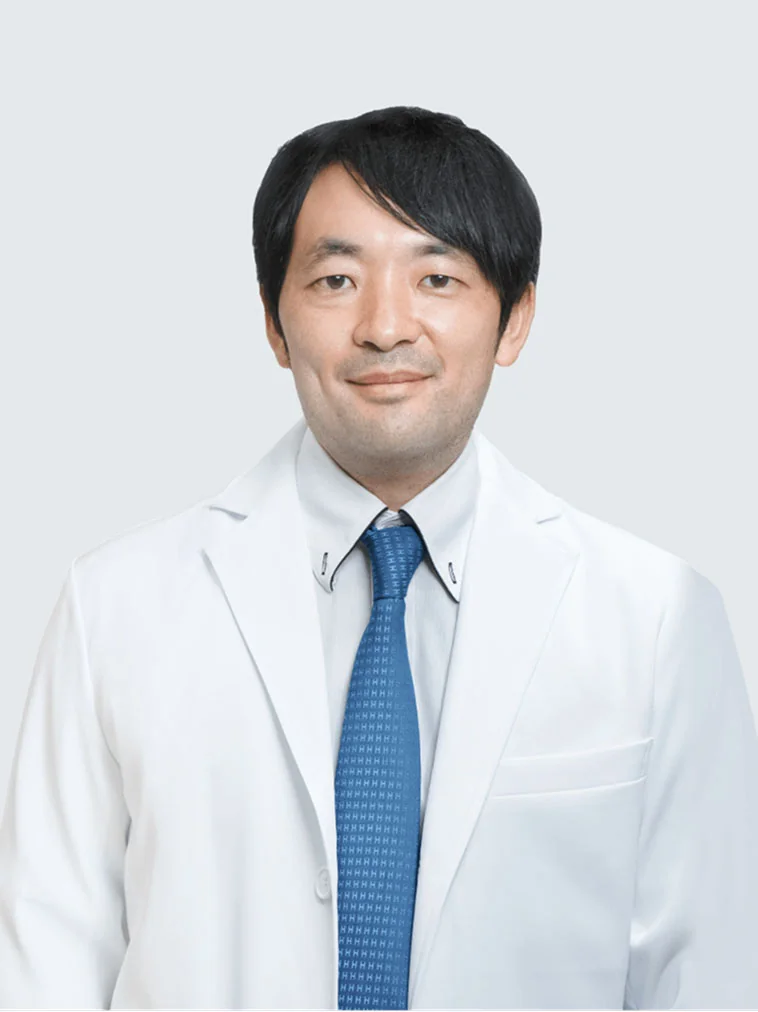
Dr Junya Higuchi: Assessing Suitability for Regenerative Medicine and Determining Treatment Plans
Dr Junya Higuchi practises orthopaedic medicine and surgery and has conducted research on mesenchymal stem cells and osteoarthritis at the University of Tokyo. In his role within the on-site CPC, he reviews your consultation findings alongside the cell culture information in CPC reports. He uses this information to assess whether regenerative medicine is suitable for you, develop your treatment plan and provide follow-up consultations and assessments after treatment.
Clinic Director’s Profile
Dr Junya Higuchi, Clinic Director
Physician | PhD in Medicine, The University of Tokyo
Specialties: Orthopaedics and Regenerative Medicine
Professional Qualifications
・Certified Orthopaedic Specialist, Japanese Orthopaedic Association
・Certified Physician in Regenerative Medicine, Japanese Society for Regenerative Medicine
・Certified Sports Doctor, Japan Sport Association
Professional Memberships
・Japanese Society for Regenerative Medicine
・Japanese Orthopaedic Association
・Japanese Knee Society
・Japanese Society for Joint Diseases
・Japanese Society for Surgery of the Foot
・Japan Sports Orthopaedic Association
How Are Your Cells Cultured and Managed?(For Stem Cell Therapy)
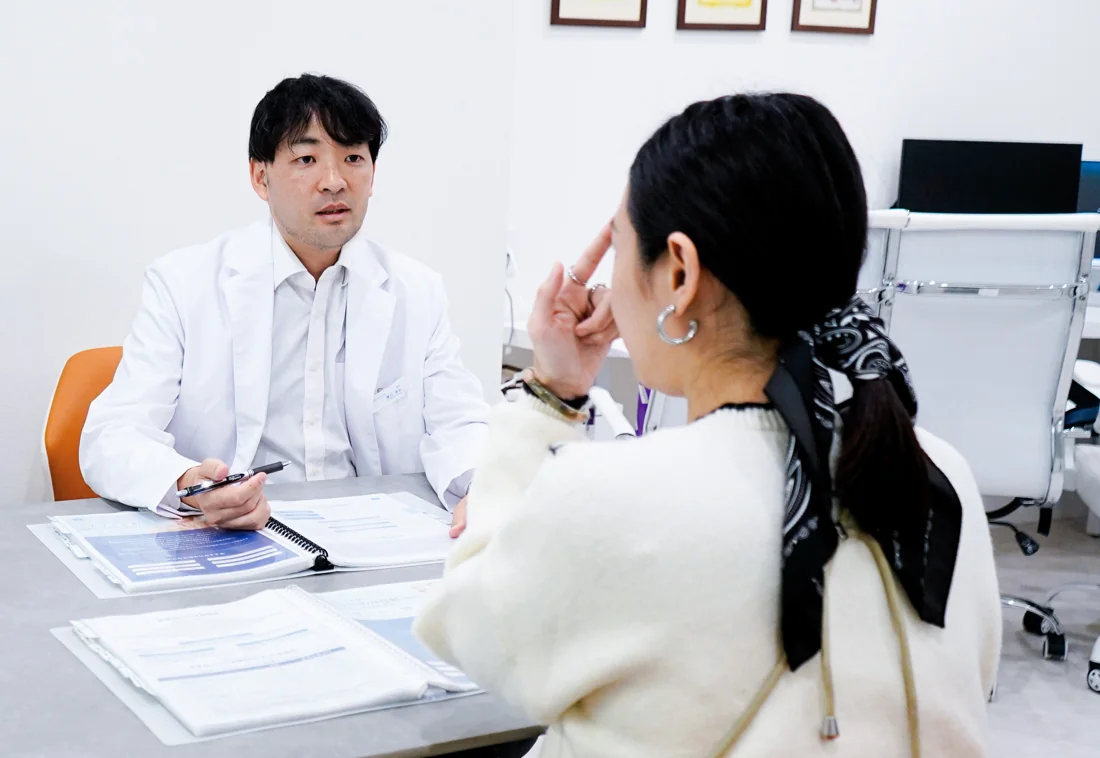
Consultation and Assessment
Your doctor discusses your health, medical history and treatment goals with you to assess whether treatment is suitable.
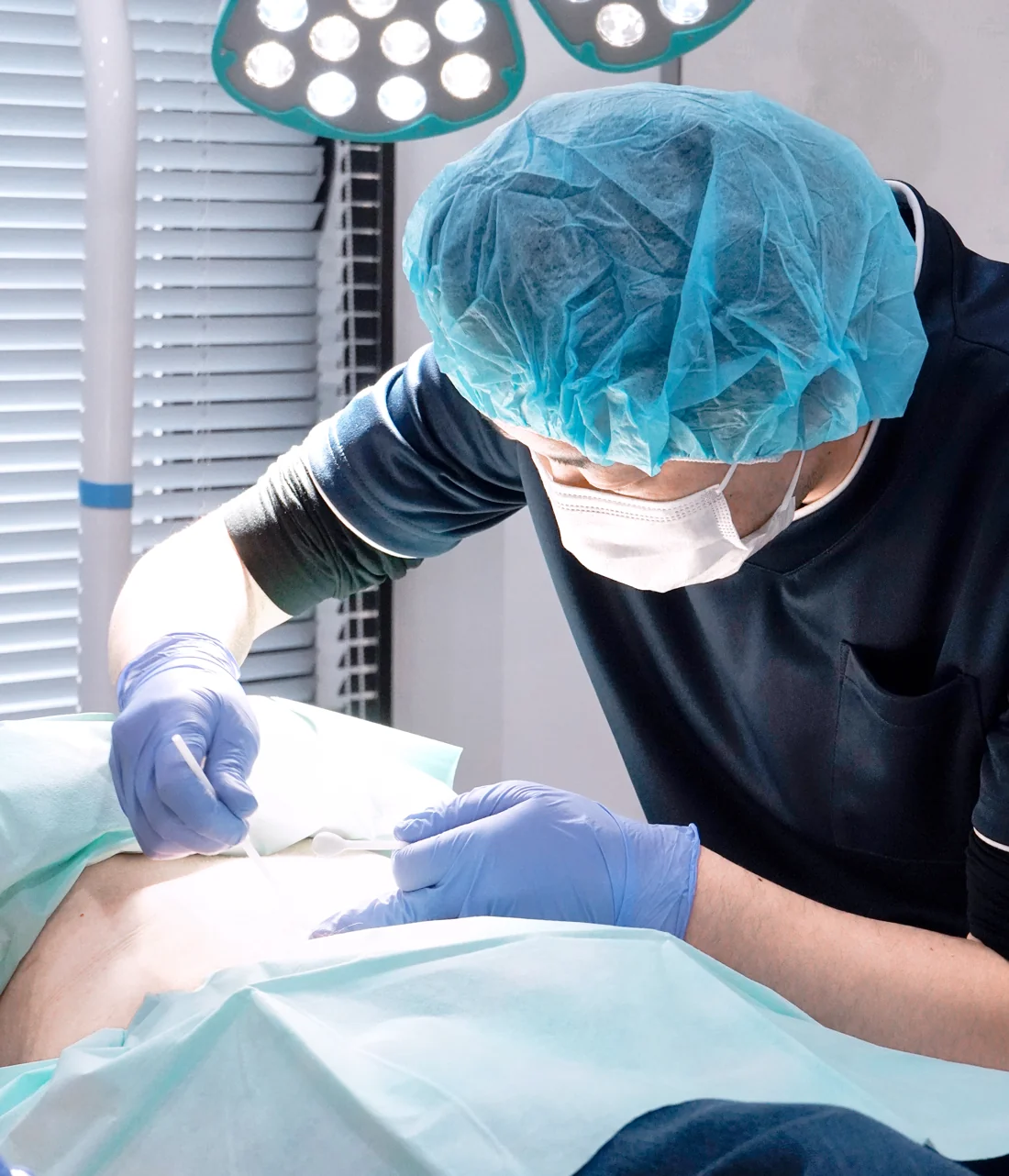
Fat Tissue Collection
A sample of your fat tissue is collected and transferred to our on-site CPC.
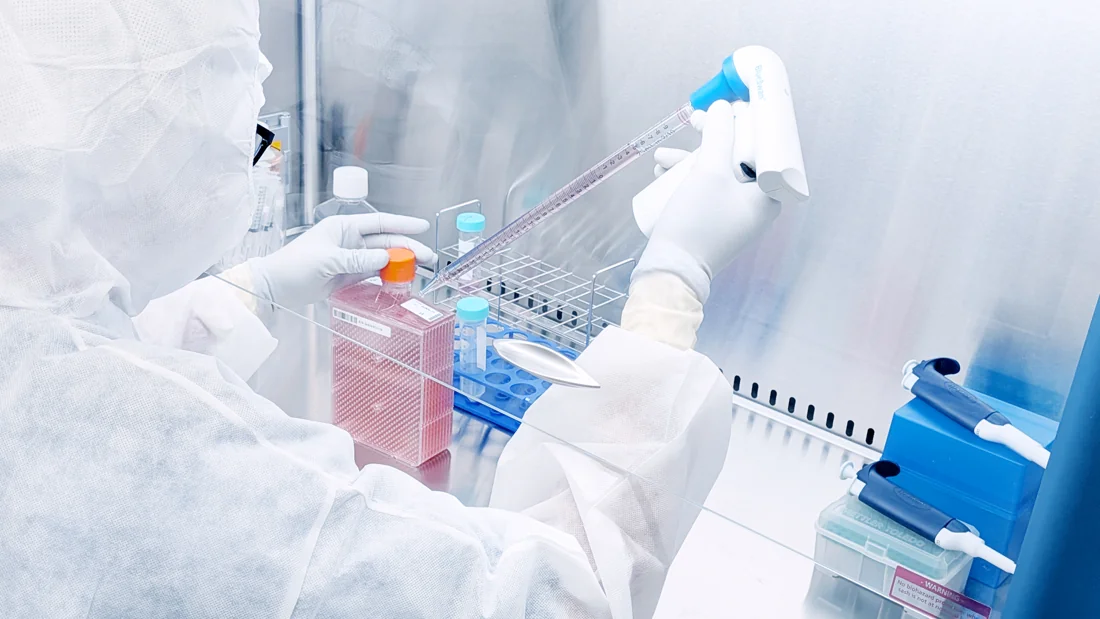
Culturing Your Cells
Cells obtained from your fat tissue are cultured. The culture process takes approximately one month on average.
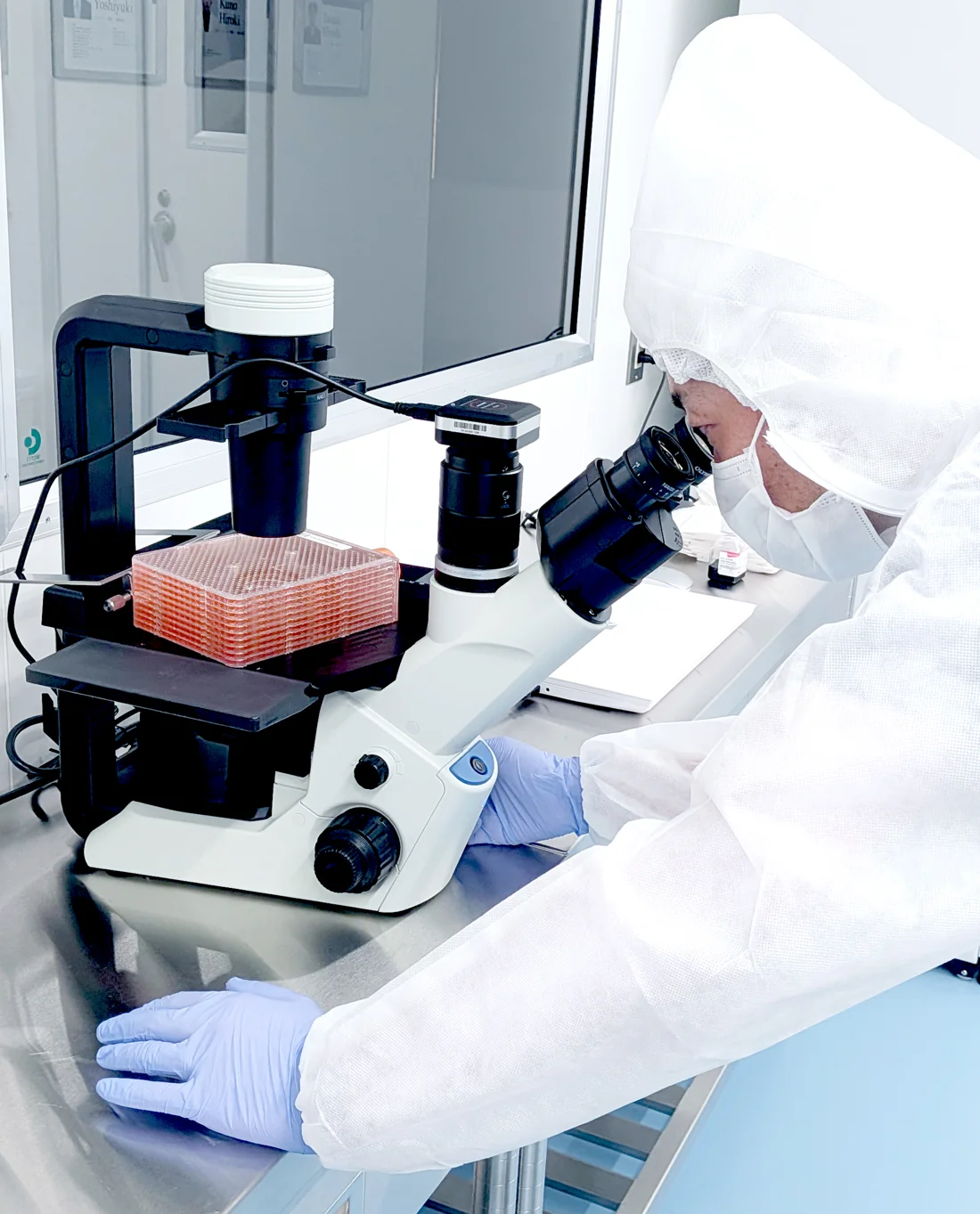
Monitoring Your Cells
We monitor the condition of your cells throughout the culture process.
Checking Cell Quality
The cells intended for your treatment undergo the necessary quality checks.
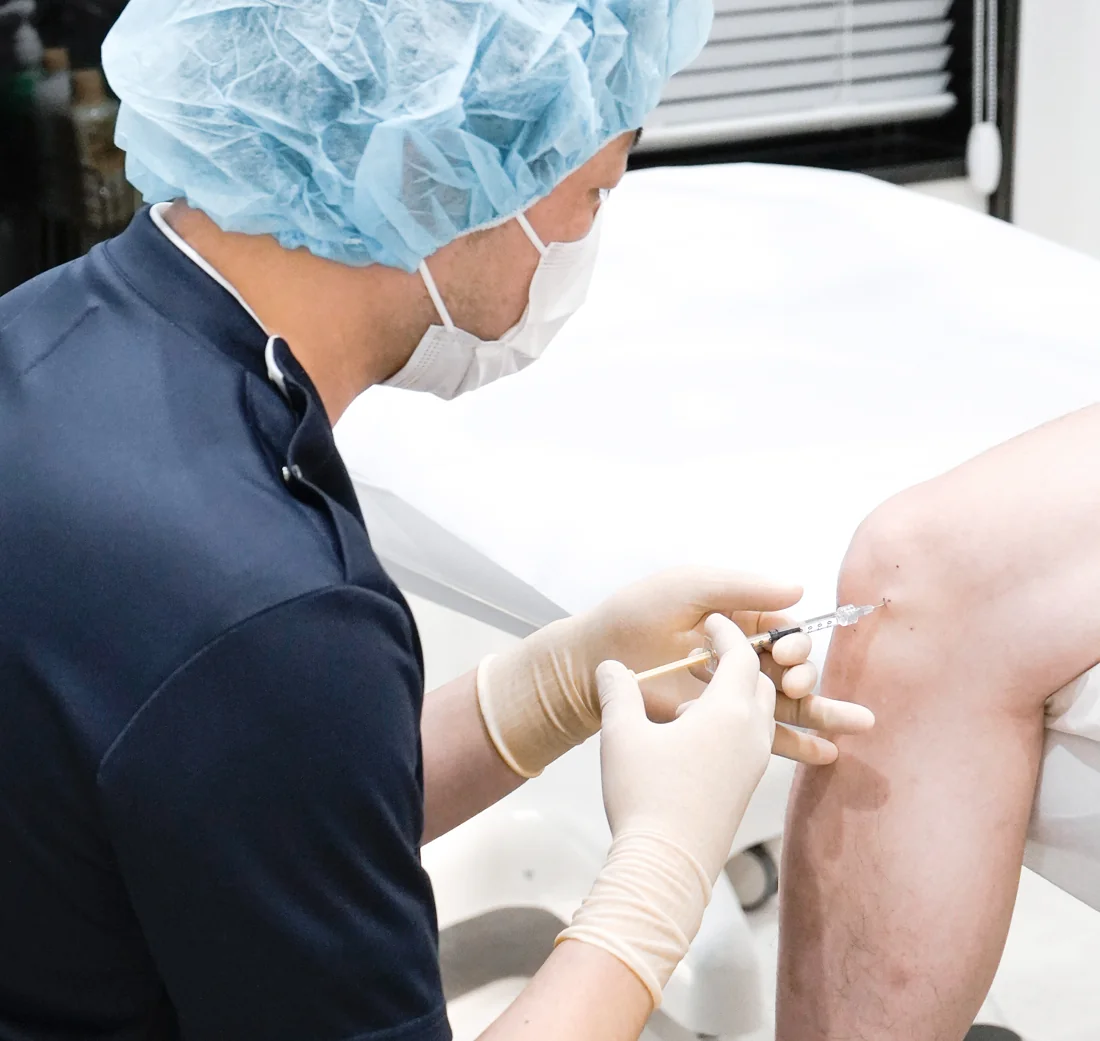
Cell Administration
Your doctor reviews the cell quality test results and your health to determine the right time to administer the cells.
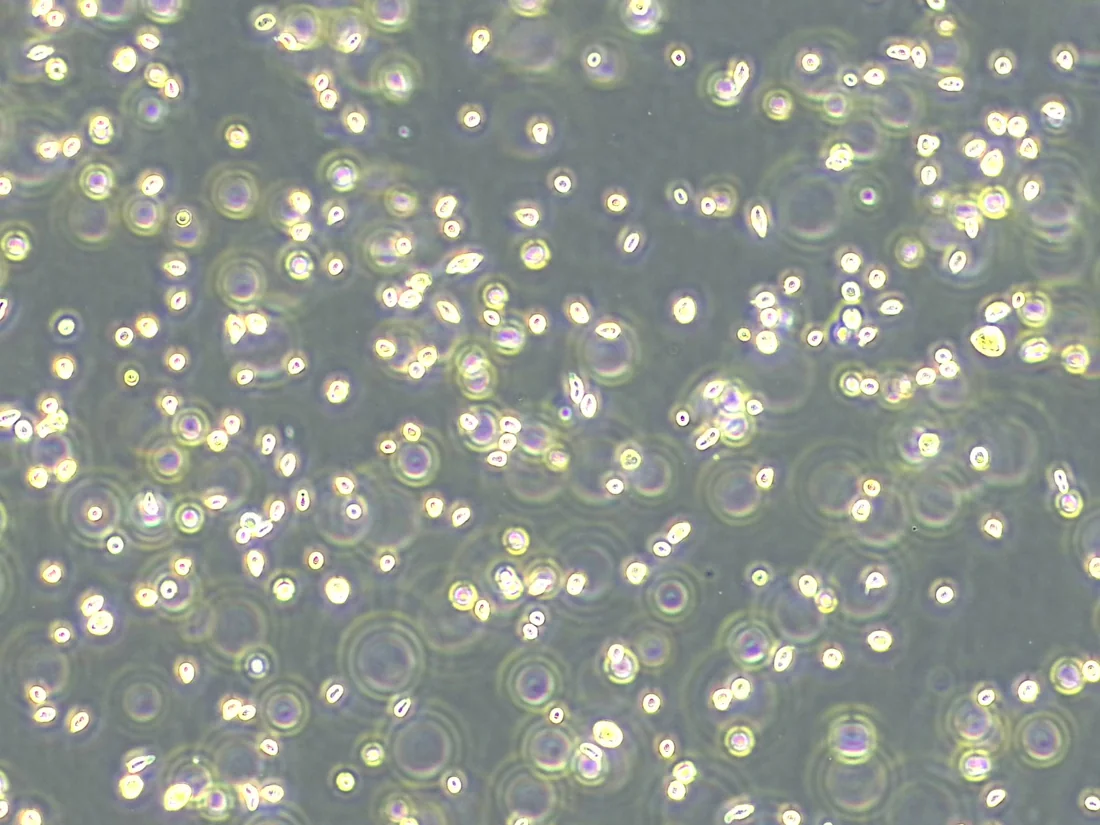
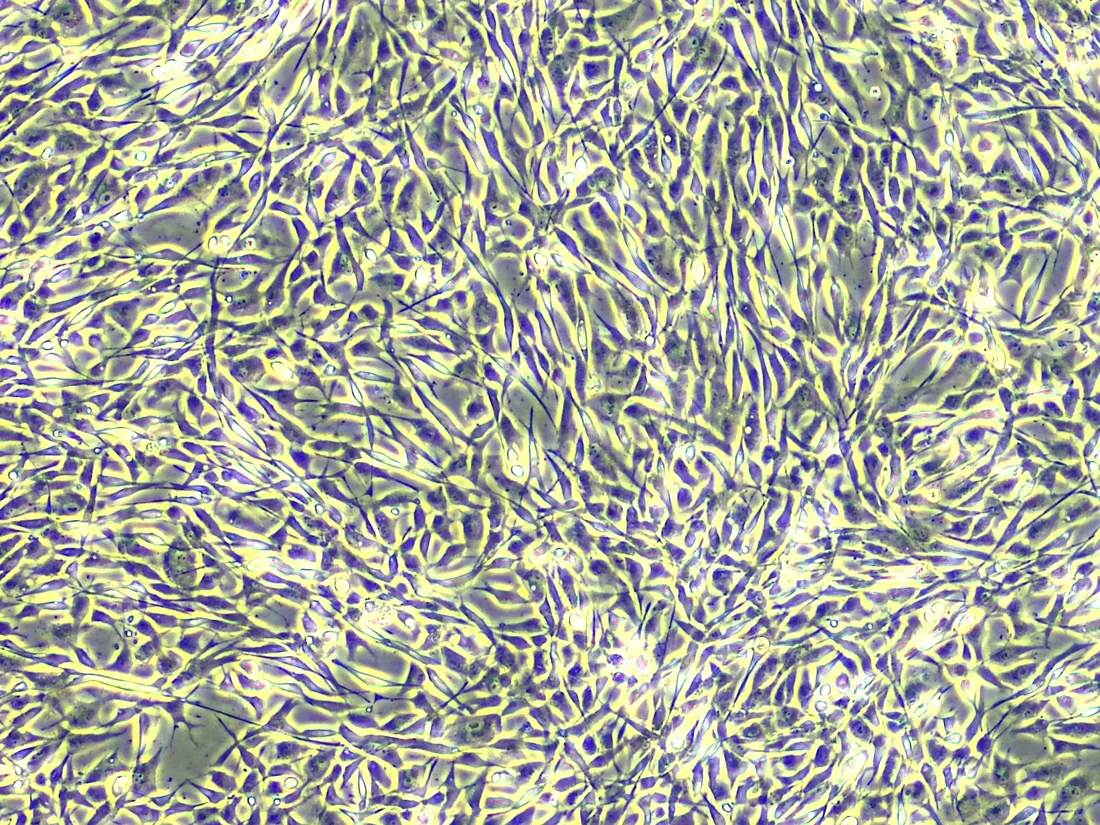
Four Key Aspects of Management at Our On-site CPC(銀座YR細胞培養センター)
Every Stage Coordinated On Site
Fat tissue processing, cell culture, quality checks and treatment are coordinated within the clinic, with no transport to an external facility. We monitor the cells throughout the culture process, with careful attention to each stage.
Clearly Labelled by Patient and Batch
Your tissue and cells are clearly labelled by patient and production batch, then cultured and stored under specified conditions to prevent mix-ups.
Records That Allow Each Stage to Be Traced
We keep records of the culture process, the reagents used, and the management of our facilities and equipment, allowing us to trace each stage your cells have been through.
Reducing Contamination Risks
Our cell culture techniques allow us to simplify workflows and reduce handling steps, helping to lower the risk of contamination during culture and cross-contamination between samples.
Why We Choose Multilayer Culture
Stem cells for treatment can be cultured using different methods, depending on where they attach and how they grow. We use multilayer culture to make efficient use of space and support day-to-day culture management.
Single-layer Culture | Multilayer Culture〈Used at Our Clinic〉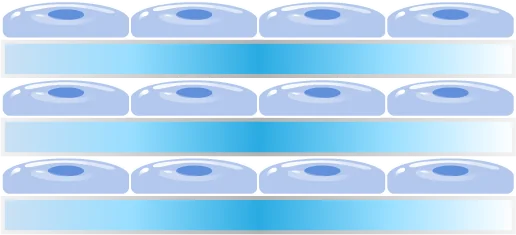 | Cell Aggregate Culture〈Cells Growing in Clusters〉 | |
|---|---|---|---|
| How cells grow | Cells attach to and grow on one flat surface. | Cells attach to and grow on several flat surfaces stacked inside a vessel. | Cells form clusters with a three-dimensional structure. |
| Benefits | Cells are easy to observe, and culture can start with a small number of cells. | Fewer process steps and handling operations help reduce contamination risks and variation from manual work. | Allows researchers to study how cells interact and behave in tissue-like structures. |
| What needs managing | Cells are easy to observe, but scaling up requires more management. | A large culture area in fewer vessels makes handling more efficient. Cells can still be monitored while reducing the number of handling steps. | Larger clusters can make it harder for oxygen and nutrients to reach the centre, requiring adjustments to cluster size and culture conditions. |
We use multilayer culture to make efficient use of space and support the handling and management of cells throughout the culture process.
Quality and Safety Management in Our On-site CPC(銀座YR細胞培養センター)

Cleanliness and Environmental Monitoring
We use established methods to check temperature, humidity, cleanliness and other conditions within the CPC, helping us manage the cell culture environment.

Access Control and Hygiene
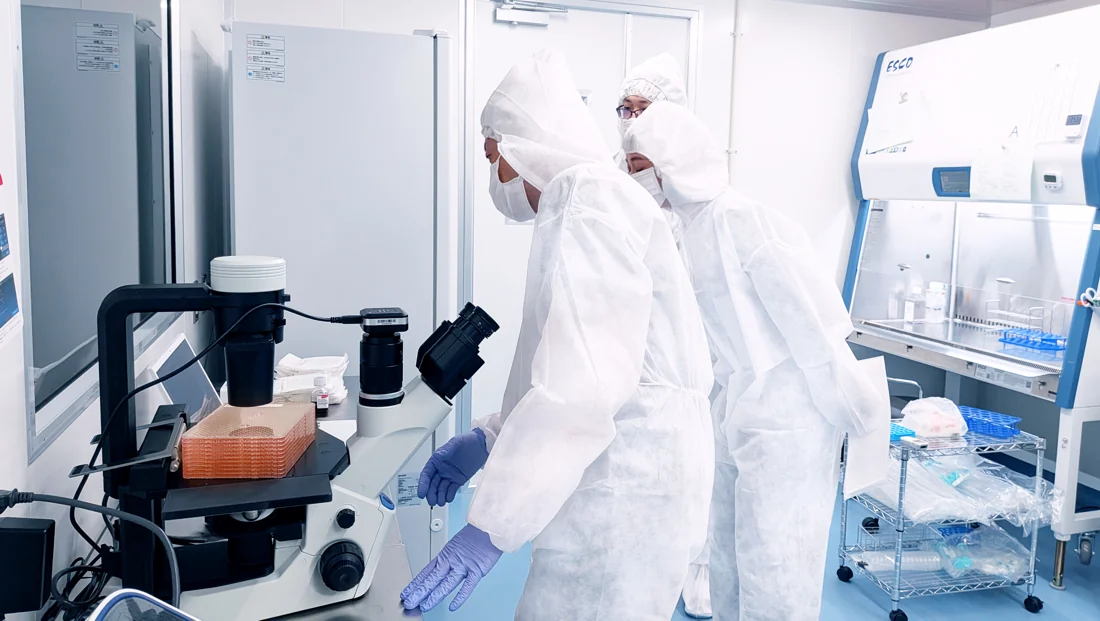
Access to the CPC is restricted. Staff follow established procedures for changing clothes, washing their hands and disinfection before carrying out their work.

Equipment Monitoring and Alarms
We monitor the condition of culture and storage equipment, with procedures in place to check any operating parameters that fall outside the set ranges.

Quality Testing
Tests include mycoplasma testing, sterility testing for fungi and aerobic and anaerobic bacteria, endotoxin testing and visual inspection. We also examine cells under a microscope and check their count and viability. Quality checks are carried out when tissue is collected, during cell culture and once the final cell preparation is ready.
FACILITY INFORMATION
Facility name: Ginza YR Cell Culture Centre(銀座YR細胞培養センター)
Facility number: FC3250058
A notification for the facility has been submitted to Japan’s Ministry of Health, Labour and Welfare (Kanto-Shinetsu Regional Bureau of Health and Welfare) under the Act on the Safety of Regenerative Medicine. Treatment is provided in accordance with the Plans for the Provision of Regenerative Medicine.
Equipment Supporting Stable Cell Management
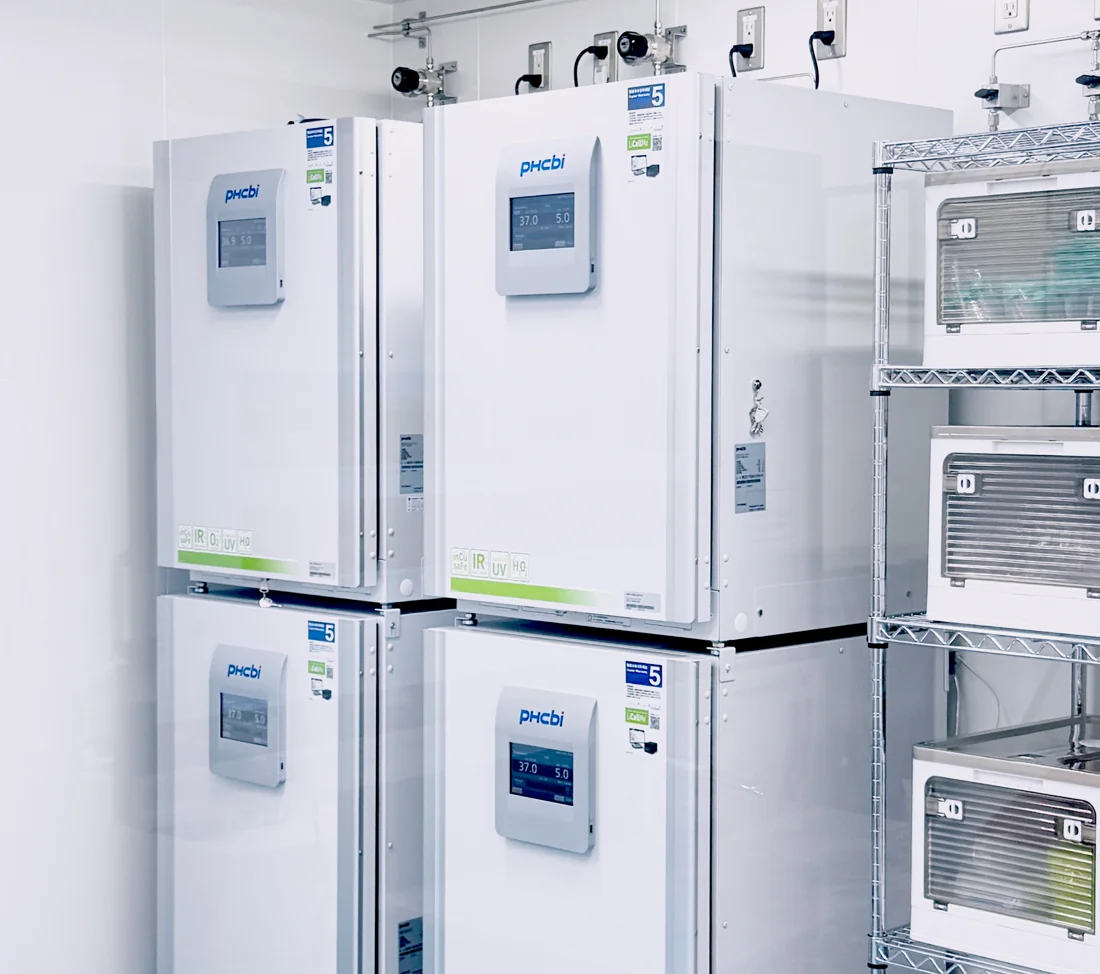
Multi-gas Incubator
(Low-oxygen Culture)
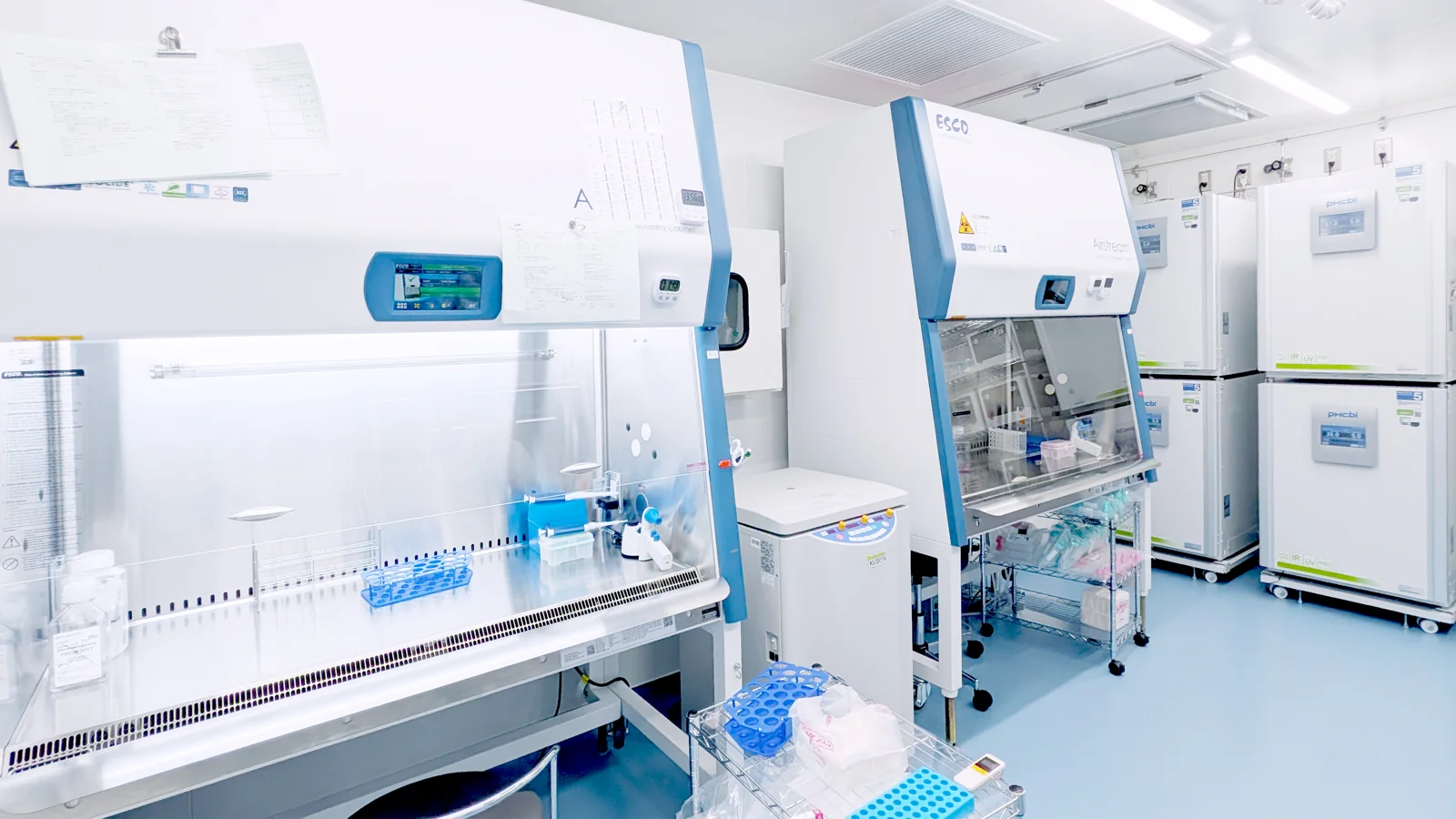
This cell culture equipment allows oxygen concentration and other conditions to be adjusted. It is used for low-oxygen culture on site.
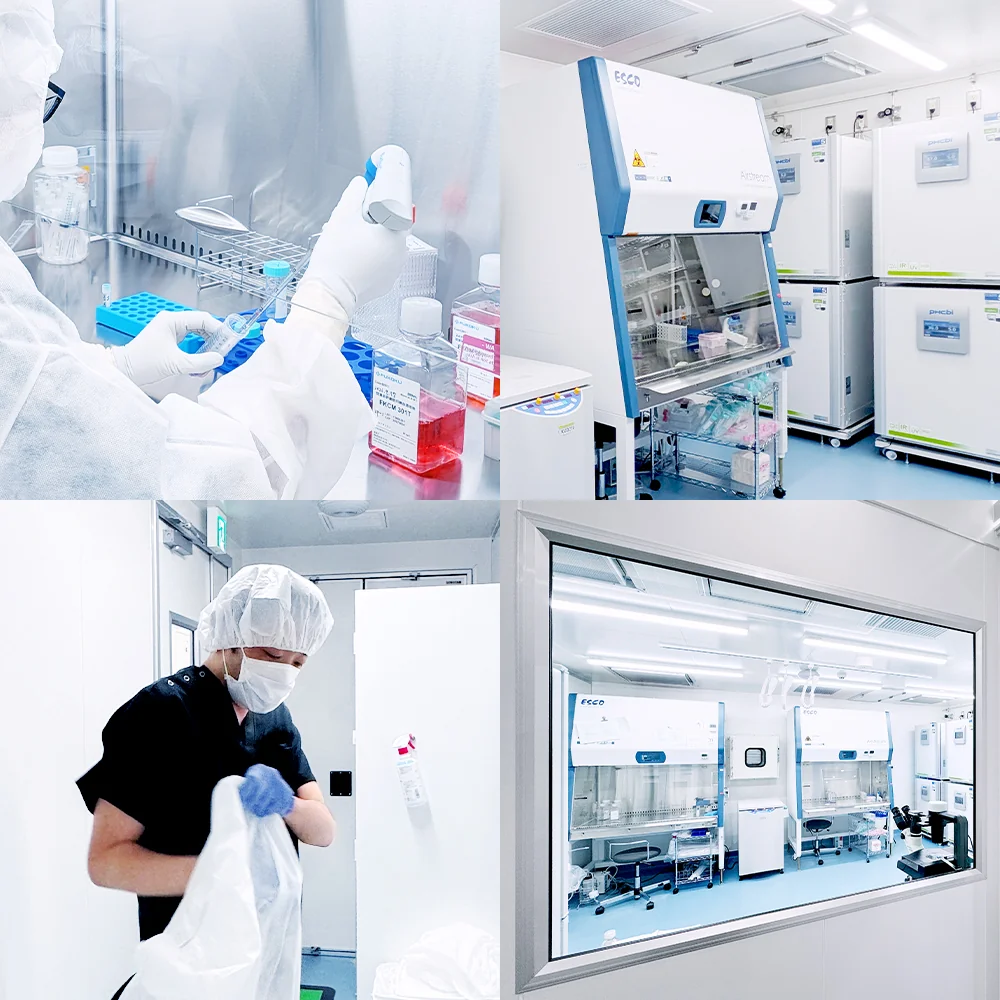
Cleanliness Grades
Using the WHO-GMP cleanliness classifications as a reference, the interior of the biological safety cabinets is managed as Grade A, the CPC cell culture room as Grade B, and the anteroom as Grade C. We monitor airborne particles, airborne microorganisms and microorganisms on surfaces to manage the culture environment.
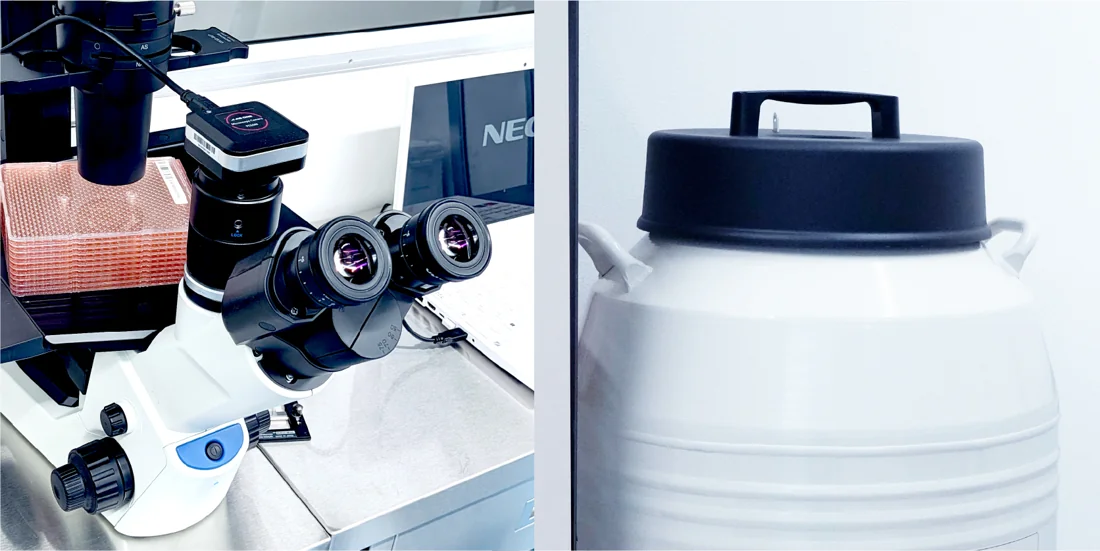
The facility also has biological safety cabinets, CO₂ incubators, a phase-contrast microscope, liquid nitrogen storage vessels and other equipment required for cell culture and processing.
Stem Cell Therapy and PRP Therapy Using Our On-site CPC(銀座YR細胞培養センター)
The on-site CPC at Ginza YR Clinic serves two functions: culturing and processing cells for stem cell therapy, and preparing platelet-rich plasma for PRP therapy.
Stem Cell Therapy
Cells obtained from tissue collected from the patient are cultured and processed in our on-site CPC. They undergo the required quality checks before being used for treatment.
PRP Therapy
The patient’s own blood is processed to prepare platelet-rich plasma (PRP), which contains a higher concentration of platelets and is used for treatment. This process does not involve cell culture.
Your doctor will assess your health and treatment goals during a consultation to determine which treatment may be suitable. Please see the relevant treatment pages for information on the conditions treated, treatment methods, risks and costs.
- PB3250224
- Treatment of osteoarthritis using autologous adipose-derived mesenchymal stem cells
- PB3250226
- Intravenous injection of autologous adipose-derived mesenchymal stem cells for pain associated with conditions including osteoarthritis, low back pain and peripheral neuropathy
- PB3250279
- Regenerative medicine for skin tissue using autologous adipose tissue-derived mesenchymal stem cells
- PB3250305
- Regenerative medicine using autologous adipose-derived mesenchymal stem cells to promote hair growth
- PB3250225
- Treatment of chronic arthritis using autologous platelet-rich plasma (PRP)
- PC3250242
- Regenerative medicine using platelet-rich plasma (PRP) to promote hair growth
- PC3250241
- Regenerative medicine using platelet-rich plasma (PRP) for skin regeneration
The numbers and names above are the Plans for the Provision of Regenerative Medicine and their corresponding treatment names.
Frequently Asked Questions About Our On-site CPC(銀座YR細胞培養センター)
How Long After Cell Collection Can I Have Treatment?
Cell culture takes approximately one month on average. Please confirm the dates for collection and treatment with your doctor during your consultation.
What Happens If There Are Not Enough Cells or They Do Not Pass the Quality Checks?
Your doctor will review culture progress and test results and explain the next steps. Whether another collection, a new culture or a treatment delay is needed, and how fees will be handled, will depend on the circumstances.
What Tests Do I Need Before Collection?
Your doctor will first ask about your current health and medical history, then explain which tests are needed before collection.
Is Regenerative Medicine or Stem Cell Storage Right for Me?
Start by Understanding Your Health.
Before deciding on treatment, tell us about your current symptoms, changes in your health, and the physical functions and lifestyle you hope to maintain. Your doctor will assess your health and explain the options you could consider.
From consultation and cell culture to quality checks and storage,
your own cells are managed throughout within one coordinated system of care.