









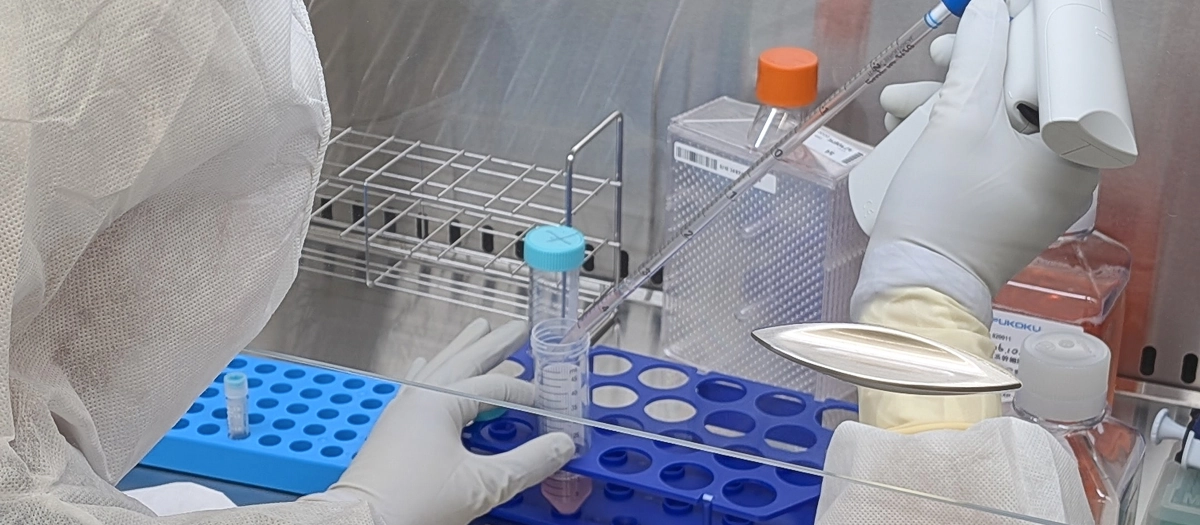
Your own fat tissue is collected, cells are cultured, and the prepared cells are administered by injection or intravenous infusion. If these steps sound similar across clinics, why do some emphasise having an on-site CPC?
The differences lie in the preparation patients rarely see: where their cells are processed, whether they need to be transported between facilities, who oversees the work, and how their doctor stays informed about the culture process and test results.
An on-site CPC allows a medical institution to take direct responsibility for the stages of cell preparation it performs. It can eliminate certain transport and handover steps and facilitate direct communication between doctors and the cell culture team.
What does this mean for patients? It helps to start with how cell preparation is organised in Japan.
1. In Japan, your cells may be cultured somewhere other than the clinic treating you
CPC stands for Cell Processing Center. It is a specialised facility where cells are cultured, processed and subject to quality control under controlled environmental conditions and established procedures.
In Japan, medical institutions may operate an on-site CPC or commission a specialist external facility to carry out the relevant work in accordance with applicable regulations. This means the clinic providing your consultations and treatment may be separate from the facility that processes and cultures your cells.[1]
The arrangements differ in several practical ways:
Understanding these arrangements helps you ask how your cells will be processed, whether they will be transported, and how responsibility is managed throughout.
2. Why can an on-site CPC be an indicator of a clinic’s capabilities?
Operating a CPC requires trained staff, suitable equipment and facilities, standard operating procedures, environmental monitoring, quality testing and record-keeping.
Japan’s Act on the Safety of Regenerative Medicine and related regulations set requirements for cell processing facilities, including their premises and equipment, manufacturing and quality control, testing, storage and transport.[1][2]
An on-site CPC therefore indicates that a medical institution undertakes relevant cell preparation and management activities alongside clinical care.
St. Jude Children’s Research Hospital in the US describes how its on-site GMP facility brings research, clinical and manufacturing teams together to turn laboratory discoveries into products for clinical studies.[3]
This illustrates the capabilities behind such a facility: the people, technical expertise and quality systems needed to prepare cells for clinical use.
These details help you understand what having an on-site CPC means in practice.
3. What does reducing transport mean for your cells — and for you?
Living cells need to be processed and stored under appropriate conditions. Temperature, storage time, storage solution and handling methods all need to be controlled.
A study of clinical-grade umbilical cord-derived mesenchymal stromal cells compared the effects of different transport temperatures, storage solutions and storage periods on cell condition. The findings highlight the importance of establishing suitable transport and storage conditions for the cells concerned.[4]
* The study used a different cell type from the adipose-derived stem cells used at our clinic, so its results should not be used to predict the performance of our cells.
University College London (UCL) has also discussed how manufacturing close to patients can simplify logistics for time-sensitive cell-based products, while emphasising the need for quality standards and staff training.[5]
When tissue or cells are transported between a clinic and an external facility, the transport container, temperature, journey time and handover procedures all need to be managed. Japan’s Ministry of Health, Labour and Welfare requires appropriate measures to maintain cell quality during transport.[2]
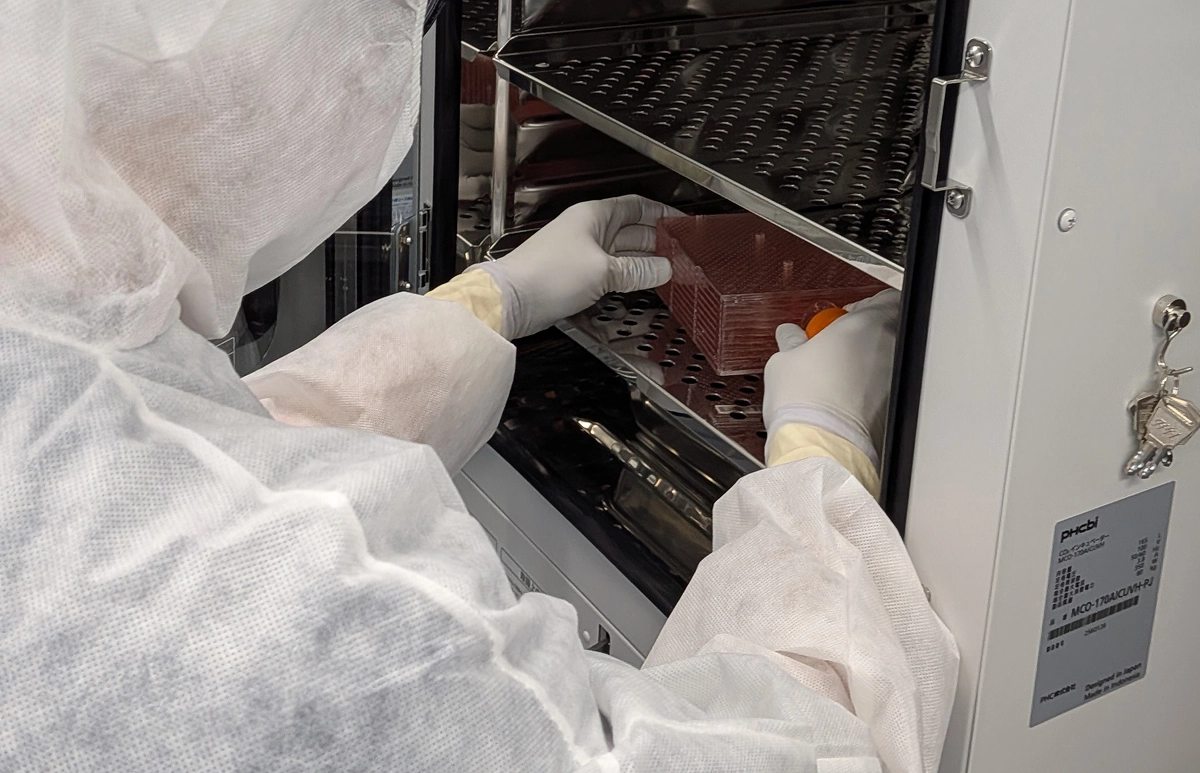
For stages completed in an on-site CPC, transport between facilities can be avoided. This removes or reduces:
The practical advantage is fewer transport-related variables to manage, with the timing and conditions of preparation more directly under the medical team’s control.
If you are concerned about cell “freshness”, more informative questions are: When is preparation completed? How are the cells stored before treatment? What aspects of cell quality are checked before use?
Your clinic should explain which stages will take place on site as part of your individual treatment plan.
4. What difference does direct collaboration between doctors and the cell culture team make?
After tissue collection, patients usually return to their daily lives while waiting for treatment. During this time, tissue processing, cell culture, observation and testing continue.
The treating doctor needs updates on cell preparation, while the cell culture team needs relevant information about collection and treatment scheduling.
Mayo Clinic describes its on-site cell manufacturing team’s use of standard operating procedures, cross-checks and detailed records, alongside collaboration between manufacturing, quality and process development teams. It also explains how on-site manufacturing can help teams identify and resolve process issues early, minimising delays for patients.[6]
For patients, the value lies in keeping cell preparation closely connected to the team responsible for their care.
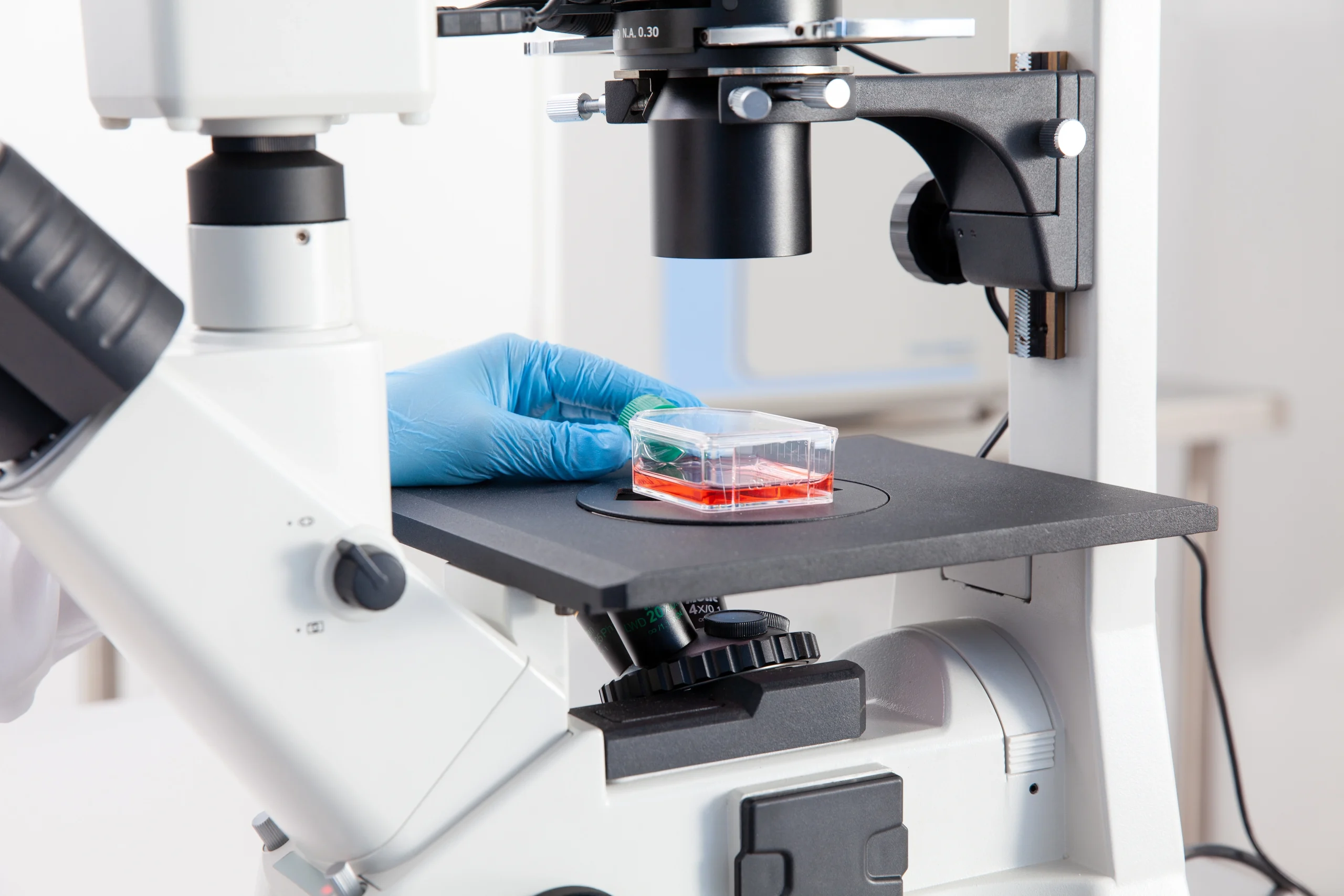
An on-site CPC facilitates direct communication between doctors and cell culture staff. Information about tissue collection, culture progress and quality test results can be shared within the team. The doctor then considers this information alongside the patient’s health when planning the cell infusion or injection.
This collaboration takes place within established procedures and quality requirements, giving the doctor the information needed to plan the next stage of treatment.
5. Does having an on-site CPC mean a clinic is reliable?
An on-site CPC is one factor to consider when assessing a clinic’s capabilities. Its day-to-day operation matters too.
The NIH Clinical Center in the US emphasises that each cell product must meet its release specifications — the requirements it must satisfy before release for clinical use — and that variation between batches should be minimised.[7]
Patients can ask about the following to understand how these principles are put into practice:
In Japan, you can also check the cell processing facility’s details and the Plan for the Provision of Regenerative Medicine covering the treatment you are considering. The Ministry of Health, Labour and Welfare publishes information on these plans, including patient information and consent documents.[8]
Both on-site and specialist external facilities need appropriate quality management. An on-site CPC enables direct oversight and close collaboration, but its operation should still be assessed through its staff, procedures and records.
Cell preparation and quality management are worth considering when choosing a clinic. Expected treatment outcomes require a separate assessment of the clinical evidence for your condition and your individual circumstances.
6. How does Ginza YR Cell Culture Centre put these principles into practice?
Ginza YR Clinic has an on-site CPC, Ginza YR Cell Culture Centre, with facility number FC3250058. The facility has completed the required notification procedure under Japan’s Act on the Safety of Regenerative Medicine.
Our director, Dr Junya Higuchi, serves as facility manager and is responsible for quality management. He works with the cell culture team to review culture progress and quality test results, connecting cell preparation with clinical care.
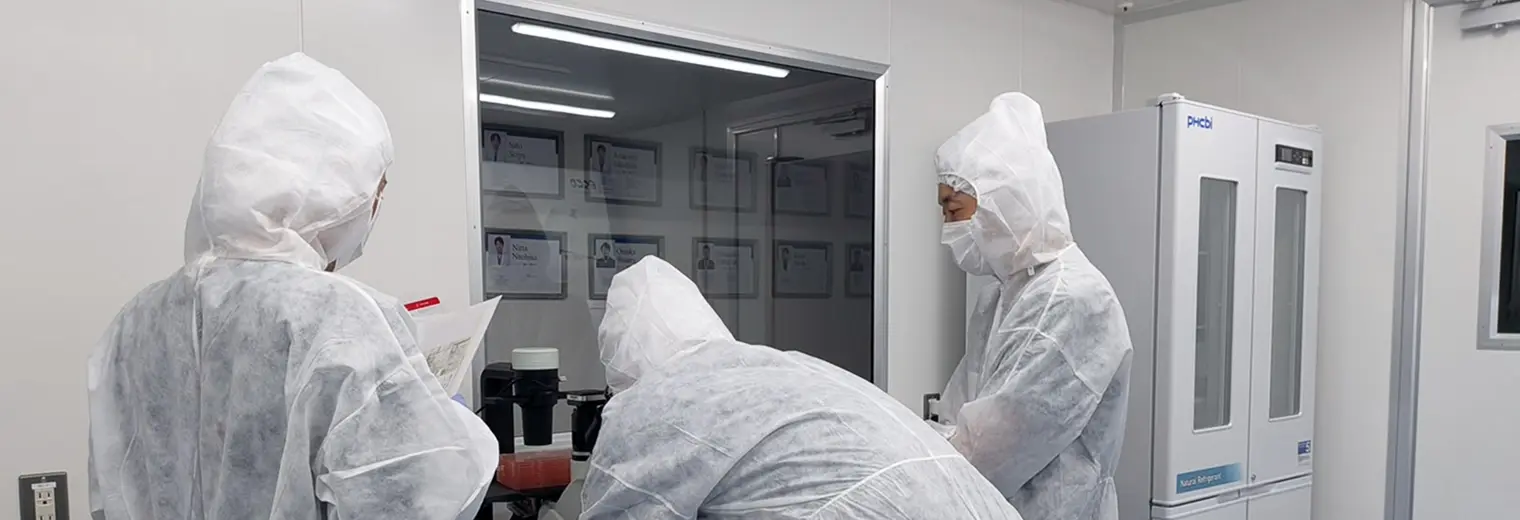
For stages completed on site, cell processing and preparation for treatment can be coordinated without transport to and from an external facility. We explain which facilities will be involved and how the cells will be handled as part of the treatment plan.
The centre also has an observation window, allowing patients to view the working environment without entering the controlled area. Together with explanations of the procedures and results, this offers a clearer picture of the work that takes place before treatment.
Understanding the CPC helps you understand how your treatment is prepared
Asking about an on-site CPC takes the discussion beyond cell counts to the preparation and management behind treatment.
At your consultation, you can ask: Where will my cells be processed? Who is responsible? What tests will be performed? How will my doctor review the results?
At Ginza YR Clinic, we explain the available options, including standard treatments, based on your symptoms, test results and treatment goals. We also explain how cells will be processed and managed if cell therapy is being considered.
By understanding the treatment and the people, expertise and procedures behind it, you can discuss your options with your doctor and make an informed decision.
Enquiries & Appointments
References (click to expand)
- 【1】Ministry of Health, Labour and Welfare, Japan. Regenerative and Cellular Medicine and Gene Therapy (Japanese).
Japan’s regulatory framework, relevant procedures and outsourcing of cell processing. - 【2】Ministry of Health, Labour and Welfare, Japan. Notice on the implementation of the Act on the Safety of Regenerative Medicine, its Enforcement Order and Enforcement Regulations, 15 May 2025 (Iseiken-hatsu 0515 No. 18) (Japanese).
Requirements concerning manufacturing, quality control, testing, records and transport. - 【3】St. Jude Children’s Research Hospital, US. Current Good Manufacturing Practice (GMP) Facility.
Collaboration between research, clinical and manufacturing teams to develop therapeutic products and support clinical studies. - 【4】Celikkan FT, et al. Optimizing the transport and storage conditions of current Good Manufacturing Practice–grade human umbilical cord mesenchymal stromal cells for transplantation (HUC-HEART Trial). Cytotherapy. 2019;21(1):64–75. PubMed | DOI: 10.1016/j.jcyt.2018.10.010
Effects of transport temperature, storage solution and storage duration on umbilical cord-derived mesenchymal stromal cells. - 【5】University College London, UK. Personalised medicine made in hospitals can revolutionise the way diseases are treated, 2022.
Point-of-care manufacturing, time sensitivity, logistics and quality standards. - 【6】Mayo Clinic, US. Manufacturing engineers on the cusp of delivering new biotherapies.
Standard operating procedures, cross-checks, record-keeping, collaboration and the resolution of process issues. - 【7】NIH Clinical Center, US. Department of Transfusion Medicine — Our Research.
Cell product release specifications, variation between batches and quality assurance. - 【8】Ministry of Health, Labour and Welfare, Japan. e-Saisei Iryo: List of Notified Plans for the Provision of Regenerative Medicine (Treatment) (Japanese).
Information on specific treatment plans, including patient information and consent documents.
* The overseas sources cited discuss different cell therapies and clinical research programmes. They are included to illustrate approaches to cell preparation and quality management, not to suggest that our technologies, certifications or treatment outcomes are equivalent.