









“I’ve been reading about NK cell therapy, but how do I tell research news apart from a clinic’s treatment information?”
The same term, “NK cells,” shows up in both. What you really want to know is what a given treatment could mean for you.
An analysis published in August 2026 shows that NK cell therapy development is moving forward, yet many trials are still in the planning or early stages. How widely the research is expanding and whether a specific treatment works are two separate questions.
What Are NK Cells? Immune Cells That Attack Cancer Cells
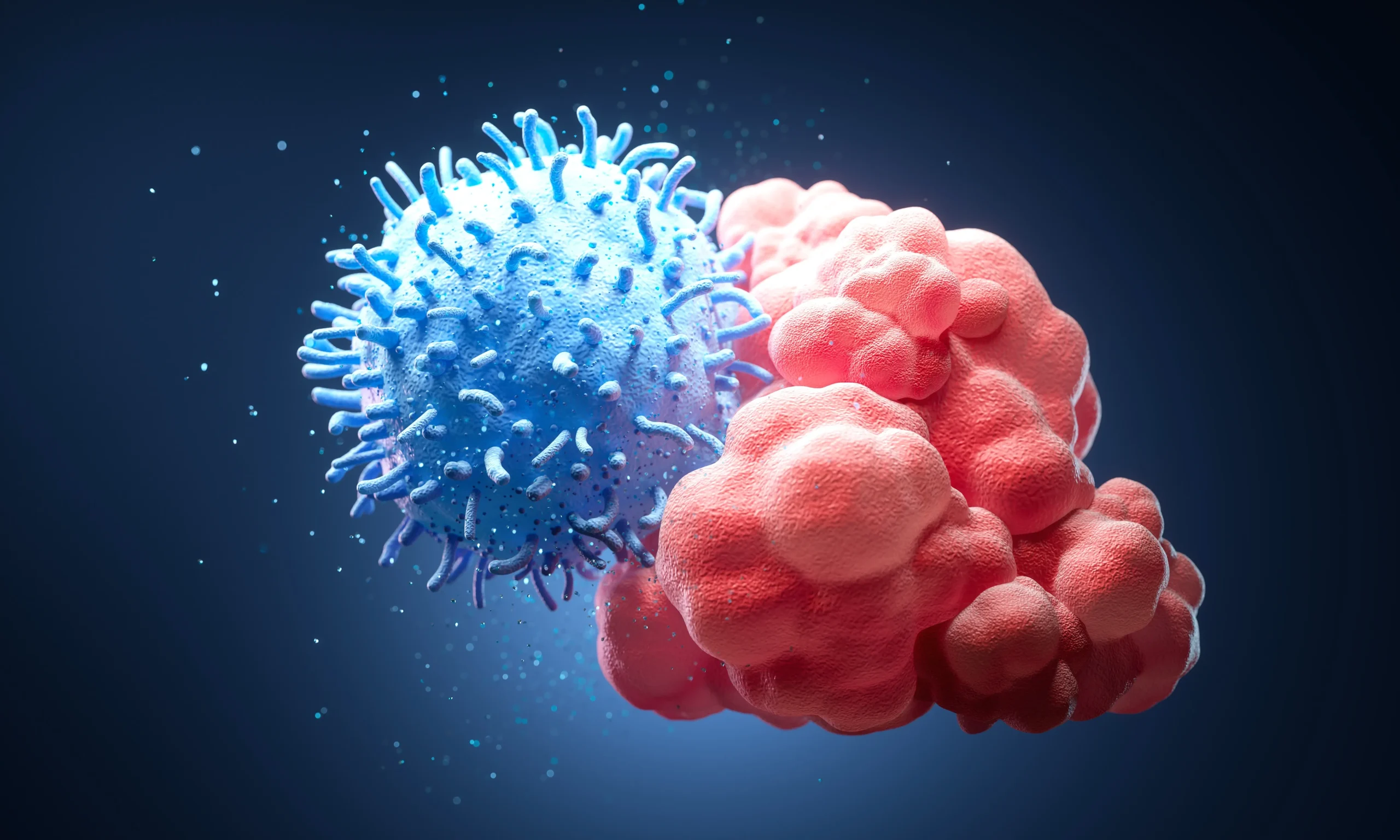
NK stands for “natural killer.” NK cells are a type of white blood cell that contain granules filled with enzymes capable of damaging cancer cells and virus-infected cells. [Source: National Cancer Institute (NCI)]
Still, knowing that a cell can do this doesn’t tell you what effect a treatment will have on the people who receive it. When reading about any treatment, look beyond the mechanism: who were the patients studied, and what were the actual results?
The US, China, and South Korea Lead Clinical Development
The paper analyzed 287 clinical trials identified in the INFORMA database and found that the United States, China, and South Korea were leading clinical development. [Source: JITC abstract]
But the real question isn’t just which country is furthest ahead. Trial counts reflect research activity. To choose a treatment, you need to check what each trial actually tested and how far its results go.

Blood Cancers Remain the Main Focus, While Solid Tumor Research Grows
Most trials target blood cancers, and research is expanding into solid tumors such as lung and colorectal cancer. [Source: JITC abstract]
For patients, the key is to go one step beyond “Is there research on cancer?” Is it the same type of cancer as yours? Are the disease stage and previous treatments similar? Checking these conditions changes how you should read the findings.
Donor-Derived Cells Dominate, and CAR-NK Trials Have Surged Since 2020
The analysis found that most trials used “allogeneic” cells, meaning cells derived from someone other than the patient. Since 2020, trials of NK cells engineered with an artificial receptor called CAR (chimeric antigen receptor) have increased sharply. [Source: JITC abstract]
Don’t assume two treatments are the same just because both are called “NK cell therapy.” Whose cells are used? How are they processed? When comparing a technology you saw in the news with a treatment you’re considering, check these differences first.
The Challenge: Not Just Making the Cells, but Keeping Them Working in the Body
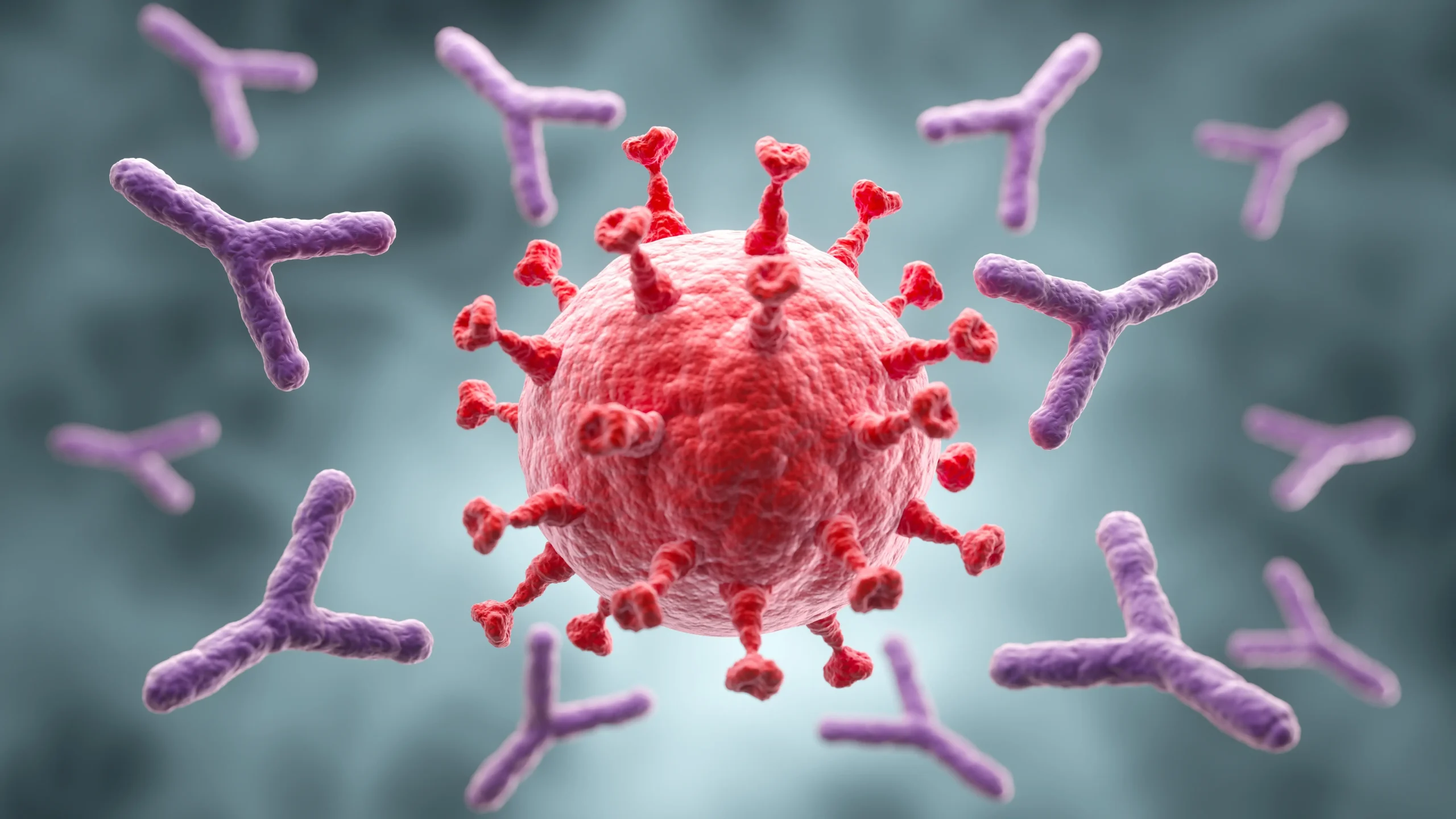
The authors emphasize not only whether the cells can be manufactured, but whether they keep working inside the body. They also point to reaching the tumor site and staying functional in the surrounding environment as open challenges. [Source: JITC abstract]
When a treatment is explained to you, look beyond the number of cells given and ask how its effect will be evaluated.
Imaging results? Symptoms? Long-term progress? Asking about specific criteria helps you separate what can reasonably be expected from what is still unknown.
Research-Stage Technology and Self-Pay Treatment Are Different Frameworks
This report cannot be read as proof that any particular clinic’s treatment works. A paper tracking trends in clinical trials and data supporting a specific treatment serve different purposes. [Source: JITC abstract]
If you’re considering self-pay (non-insured) treatment, don’t decide based only on the fact that it “uses NK cells.” Check the following:
- ✓ Are the cells and processing methods the same in the cited research and in the treatment you would receive?
- ✓ What data exist for patients with the same condition and stage as yours?
- ✓ Are side effects and burdens explained, not just the expected benefits?
- ✓ Are the total cost, treatment period, and timing of evaluation clearly stated?
- ✓ Can you discuss with your primary doctor how it fits with your current treatment?
Learning about research progress is a first step toward understanding your options. Beyond that, what matters is confirming what is actually known about the treatment you would receive.
Frequently Asked Questions About NK Cell Therapy
Q.Does this paper tell me whether NK cell therapy will work?
A.This paper alone can’t tell you how a treatment would work for you. When considering treatment, you need individual clinical data that match your condition, the cell type, and the treatment conditions.
Q.Is the treatment in overseas research the same as a clinic’s NK cell therapy?
A.You can’t tell from the name alone. Check whether the cell source, processing method, administration method, and any combined treatments match.
Q.What should I ask during a consultation?
A.Try specific questions such as “What results have been reported in patients with my condition?”, “When and how will the effect be evaluated?”, and “What are the side effects and total cost?” This makes the information easier to sort through. If you’re currently in treatment, please consult your primary doctor as well.
Q.Can this paper support cancer prevention or anti-aging claims?
A.No. The paper discussed here cannot be used as evidence for those purposes. For a different goal, you would need to look separately for research that directly tested that goal.
References
- Sun H, et al. Clinical trial landscape and translational prospects of natural killer cell-based immunotherapy: an analysis based on the INFORMA database. J Immunother Cancer. 2026;14(8):e016348. doi:10.1136/jitc-2026-016348. PubMed
- National Cancer Institute. NCI Dictionary of Cancer Terms: natural killer cell. cancer.gov
* This article explains published research and is not intended to provide individual diagnosis or treatment recommendations.