








Published:
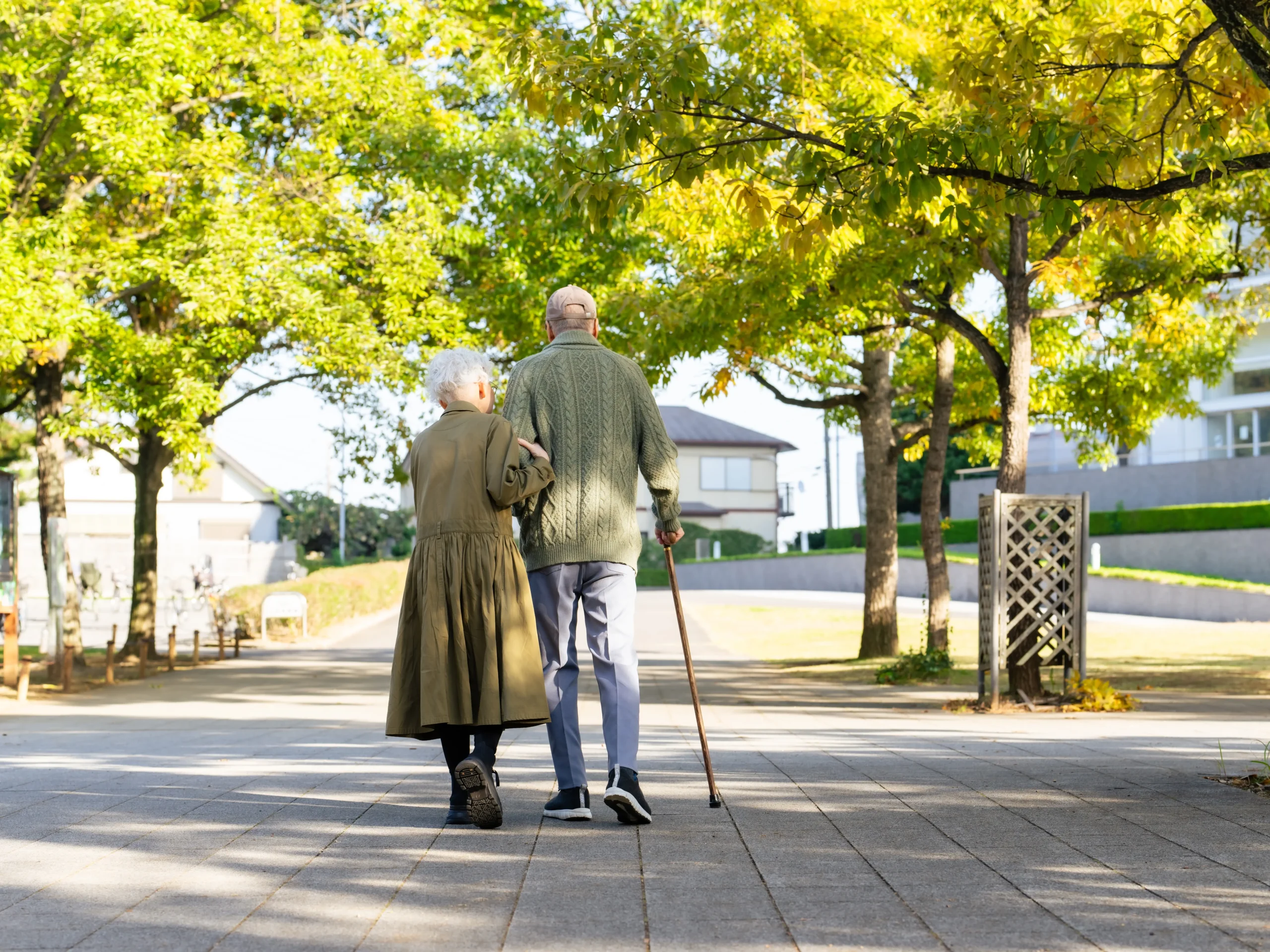
As we age, our strength and walking ability gradually decline. Can stem cell infusions help? A systematic review published in 2026 brought together three randomized controlled trials involving about 208 participants in total.
In some of these trials, participants showed favorable changes in walking distance, grip strength, and physical quality of life (QOL). These findings add new evidence to research on stem cell infusions and physical function in older adults.
What Kind of Physical Decline Did the Studies Look At?
The trials enrolled older adults with frailty or pre-frailty.
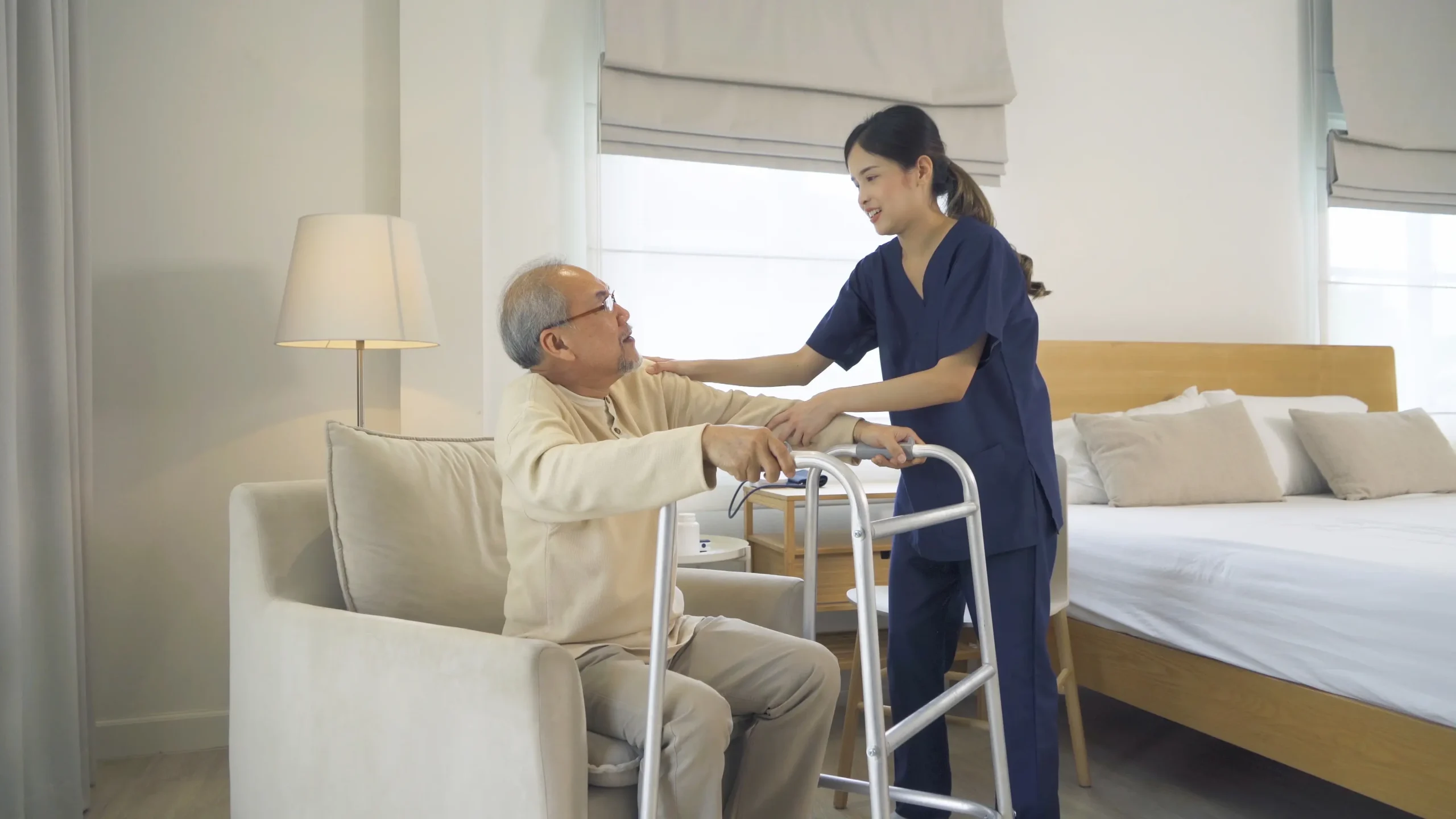
Frailty is a state in which the body has less reserve capacity to cope with illness and other stressors. Put simply, the body has less “margin” left. Lower energy, slower walking, and reduced activity can be signs of frailty, but a proper assessment is needed to confirm it.
Frailty also involves mental well-being and social connections. For this reason, the studies looked not only at walking ability but also at how health affects daily life.
Why Are Researchers Interested in Stem Cell Infusions?
All three trials used mesenchymal stem cells (MSCs). Researchers are interested in properties such as their immune-regulating effects, and are exploring whether these cells can improve physical function in older adults with frailty.
Chronic inflammation is one area of focus. Some trials measured inflammatory markers in the blood alongside physical function, to see whether they changed after the cell infusion.
Inflammatory markers help researchers understand possible mechanisms, while walking, grip strength, and QOL measure actual changes in physical function.
What Did the Three Clinical Trials Find?

What Do These Studies Tell Us?
In some trials involving older adults with frailty or pre-frailty, stem cell infusions were associated with favorable results in walking, grip strength, and physical QOL.
However, it is not yet known who is most likely to benefit, how long any improvement lasts, or whether the treatment reduces the risk of falls, hospitalization, or the need for long-term care. These results also do not show that the treatment slows aging or makes people younger.
None of the three trials used autologous adipose-derived (fat-derived) stem cells. This article therefore introduces trends in related research and does not directly demonstrate the effects of our clinic’s autologous adipose-derived stem cell infusions.
Safety: No Treatment-Related Serious Adverse Events Reported During Follow-Up
During follow-up of about 6 to 12 months, none of the three trials reported serious adverse events related to treatment. This is a favorable finding in terms of short-term safety.
However, the number of participants and the length of follow-up were limited, and long-term safety still needs further study.
If You Notice Declining Strength, Find the Cause Before Choosing an Approach
Stem cell research is still exploring new treatment possibilities. The foundation of managing frailty remains exercise suited to your condition, good nutrition, and staying socially connected.

If your strength keeps declining, especially along with loss of appetite, unintended weight loss, or a clear drop in activity, talk to a doctor first to understand the cause and how it should be assessed.
When choosing a treatment, it is important to look not only at which measures improved in studies, but also at whether those findings apply to your own situation.
About Our Autologous Adipose-Derived Stem Cell Treatment
Treatment
Regenerative medicine in which stem cells are collected from the patient’s own adipose (fat) tissue, cultured, and administered by intra-articular injection or intravenous infusion. Provided under Japan’s Act on the Safety of Regenerative Medicine (notification numbers: PB3250224 / PB3250226 / PB3250279 / PB3250305).
Treatment schedule
Local injection: at least 1 month apart; once every 2–3 months is recommended. Infusion: at least 1 month apart; every 2–3 months is recommended.
Fees
Stem cell infusion (approx. 200 million cells per session): ¥3,190,000–¥24,563,000 (1–10 sessions)
Joint conditions, skin regeneration, hair growth (approx. 100 million cells per session): ¥1,880,000–¥10,377,600 (1–6 sessions)
※ Separate fees: initial consultation ¥3,300 / follow-up consultation ¥2,200
Main risks and side effects
Mild pain or swelling may occur at the injection site, usually resolving on its own within a few days. Because the treatment uses your own cells, the risk of allergic reaction is considered low, but infection or inflammatory reactions may occur in rare cases.
Contact
Tel: +81-3-6263-9219 / Online booking: https://www.yrclinic.com/web-reservation/
※ A notification number indicates that the clinic’s treatment plan has been submitted and accepted under the Act on the Safety of Regenerative Medicine. It does not mean that the Japanese government has approved or guaranteed the treatment’s effectiveness or safety.
Sources and References
This article is based on the 2026 systematic review below and the three randomized controlled trials it includes. The review’s literature search covered studies up to April 15, 2026, so this article does not cover all related research to date.
- Safety and Efficacy of Mesenchymal Stem Cell Therapy in Aging Frailty: A Systematic Review. International Journal of Molecular Sciences. 2026;27(17):7596. https://doi.org/10.3390/ijms27177596
- Tompkins BA, et al. Allogeneic Mesenchymal Stem Cells Ameliorate Aging Frailty: A Phase II Randomized, Double-Blind, Placebo-Controlled Clinical Trial. The Journals of Gerontology: Series A. 2017;72(11):1513–1522. https://doi.org/10.1093/gerona/glx137
- Zhu Y, et al. Safety and efficacy of umbilical cord tissue-derived mesenchymal stem cells in the treatment of patients with aging frailty: a phase I/II randomized, double-blind, placebo-controlled study. Stem Cell Research & Therapy. 2024;15:122. https://doi.org/10.1186/s13287-024-03707-2
- Ruiz JG, et al. Randomized phase 2b dose-escalation trial of stem cell therapy with laromestrocel for aging frailty. Cell Stem Cell. 2026;33(3):393–404.e4. https://doi.org/10.1016/j.stem.2026.01.017
- National Center for Geriatrics and Gerontology (Japan): Department of Frailty Research. https://www.ncgg.go.jp/ri/lab/cgss/department/frailty/home.html
- Japan Geriatrics Society: Handbook for Healthy Longevity Care 2019 (Japanese). https://www.jpn-geriat-soc.or.jp/publications/other/pdf/handbook2019.pdf