









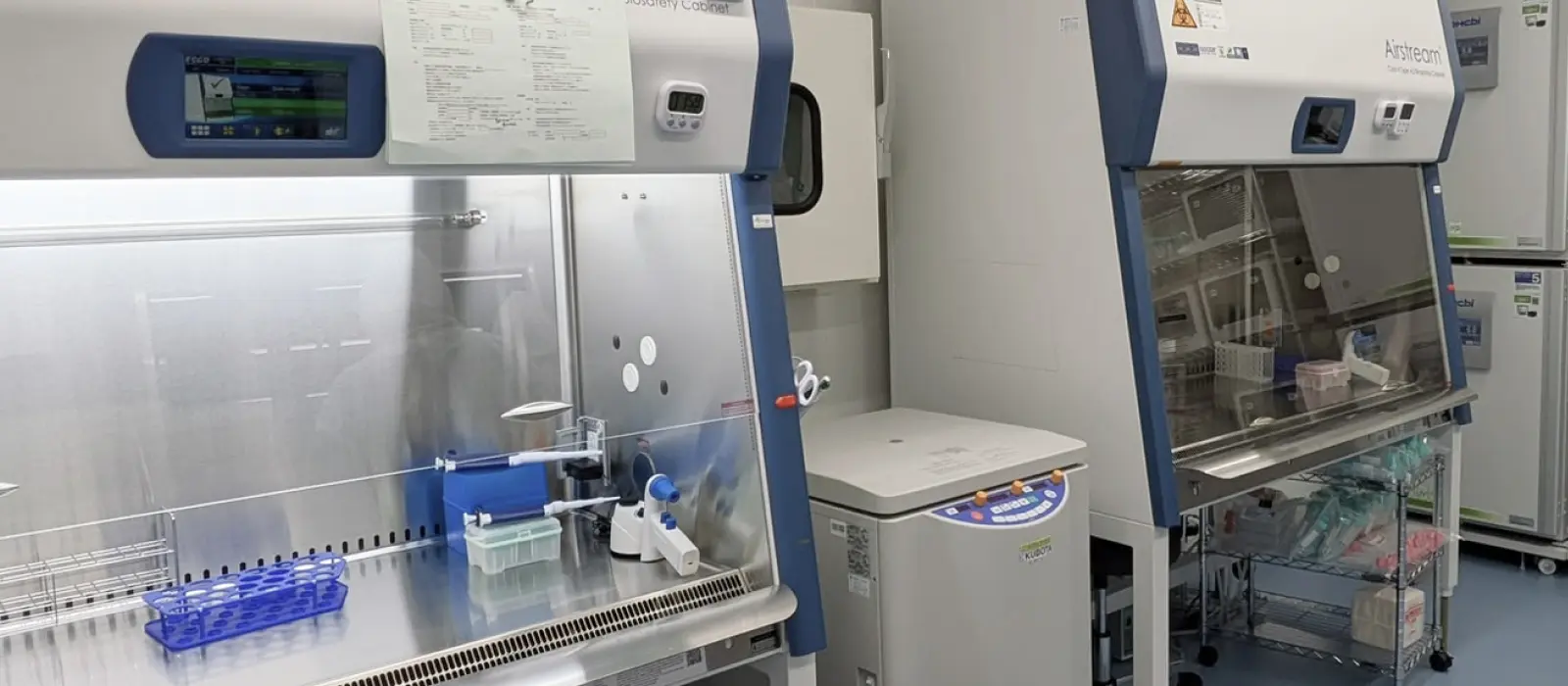
“Our clinic has an in-house CPC.”
If you’re considering regenerative medicine, what does that actually mean for you?
Its practical meaning lies in how clinical care connects with cell processing, which transport steps can be reduced, and how physicians and cell culture specialists manage treatment preparation together.
Ginza YR Clinic established the Ginza YR Cell Culture Center so that these steps can work together within a single medical system.
1. From Consultation to Cell Processing, Coordinated Within One System
Regenerative medicine involves both clinical care and the preparation of the cells or materials used in treatment.
Physicians need to understand each patient’s symptoms, overall health, and treatment goals. Cell culture specialists manage tissue processing, cell culture, and quality checks.
An in-house CPC lets these two areas of work connect directly within the clinic.
At Ginza YR Clinic, the director is involved in facility and quality management, and our cell culture specialists share culture progress and test results with the physicians. Physicians then plan the next steps of treatment based on this information and the patient’s condition.
For patients, this means there is a direct line of communication between the clinical team and the cell management team.
2. Steps Completed In-House Don’t Require Outside Transport
When tissue or cells are moved between a clinic and an external processing facility, packaging, temperature, transit time, and handover all have to be managed.
When these steps are carried out in the in-house CPC, the outside transport they would otherwise involve is no longer needed, which reduces the associated transport and handover risks.
This advantage applies to the steps actually performed in-house. If your treatment plan involves an external facility, transport and handover are managed according to that plan, and we will explain the specific arrangements to you.
When you consult with us, feel free to ask which facilities are involved in your treatment, which steps take place in-house, and how each step connects to the next.
3. Collection and Culture Techniques Working Together to Reduce Physical Burden
Treatment with autologous adipose-derived stem cells begins with collecting fat tissue. Many patients wonder about the size of the incision, how much tissue is taken, and how much strain collection puts on the body.
We aim to keep collection as minimally invasive as possible by using a small incision and collecting a small amount of tissue.
This depends on collection and culture working hand in hand: the physician obtains tissue suited to processing, and the culture team has the expertise to begin culture from a small amount of tissue.
Reducing the burden of collection is made possible by both the collection method and culture capability.
Your physician will explain the specific collection method and amount based on your condition and treatment plan.
4. Quality Check Results Feed Into Treatment Planning
Once cells have been cultured, the necessary quality checks are performed.
The Ginza YR Cell Culture Center carries out checks at collection, during culture, and at final preparation, and manages information such as cell count, viability, and related test results.
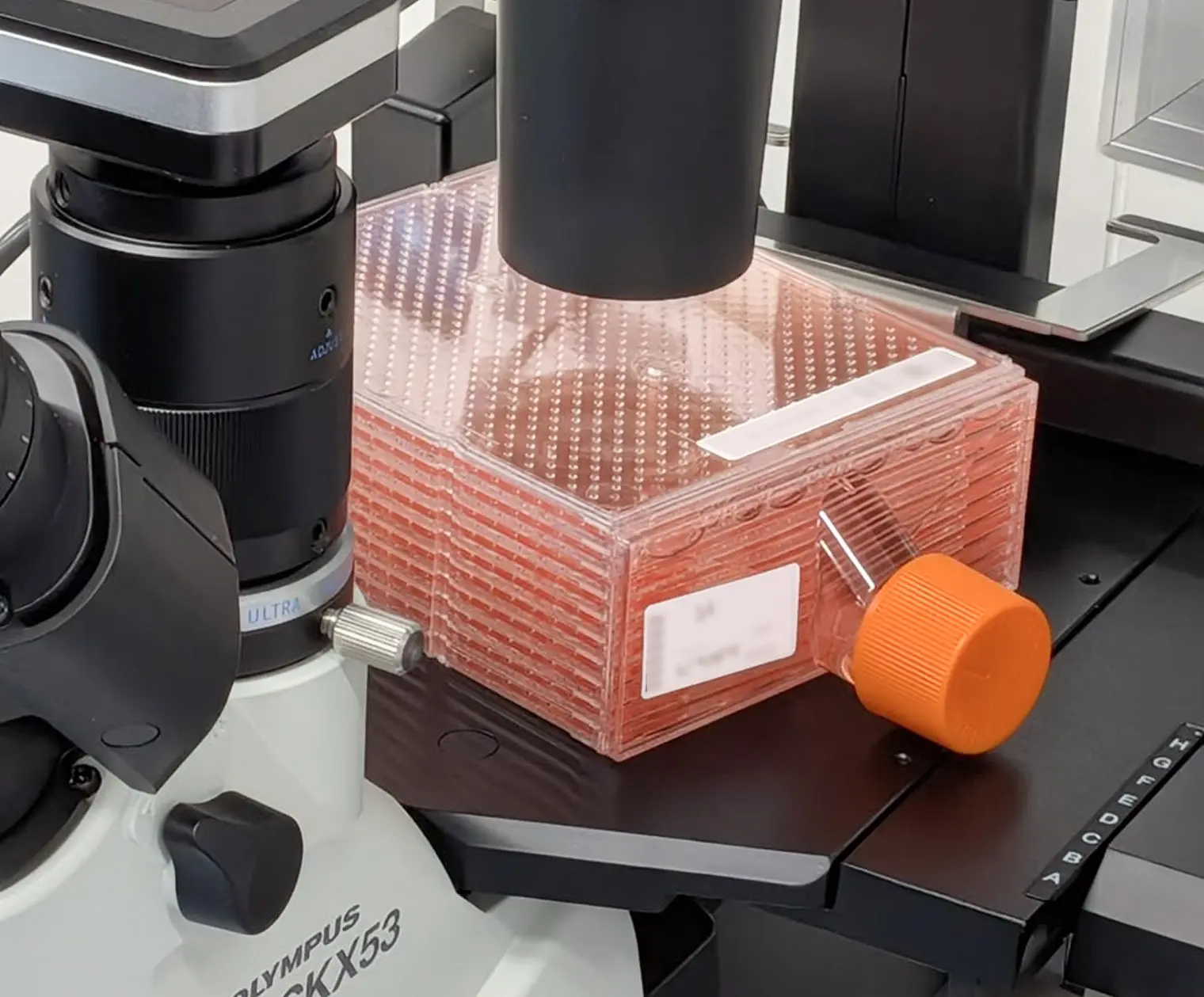
These results are shared with the physician, who decides on the administration schedule in light of the patient’s condition.
In other words, quality control and treatment are directly linked: the condition of the cells used in treatment is directly reflected in the physician’s clinical judgment.
Through the culture results report, patients can also see the cell count, viability, and related test results for the cells used in their treatment.
5. An Observation Window That Makes Preparation Easier to Picture
Many patients know what treatment they will receive but find it hard to imagine how the treatment materials are prepared.
Our center has an observation window that lets you view the work area from outside the facility, giving you a more concrete sense of the cell processing environment and how our staff work.
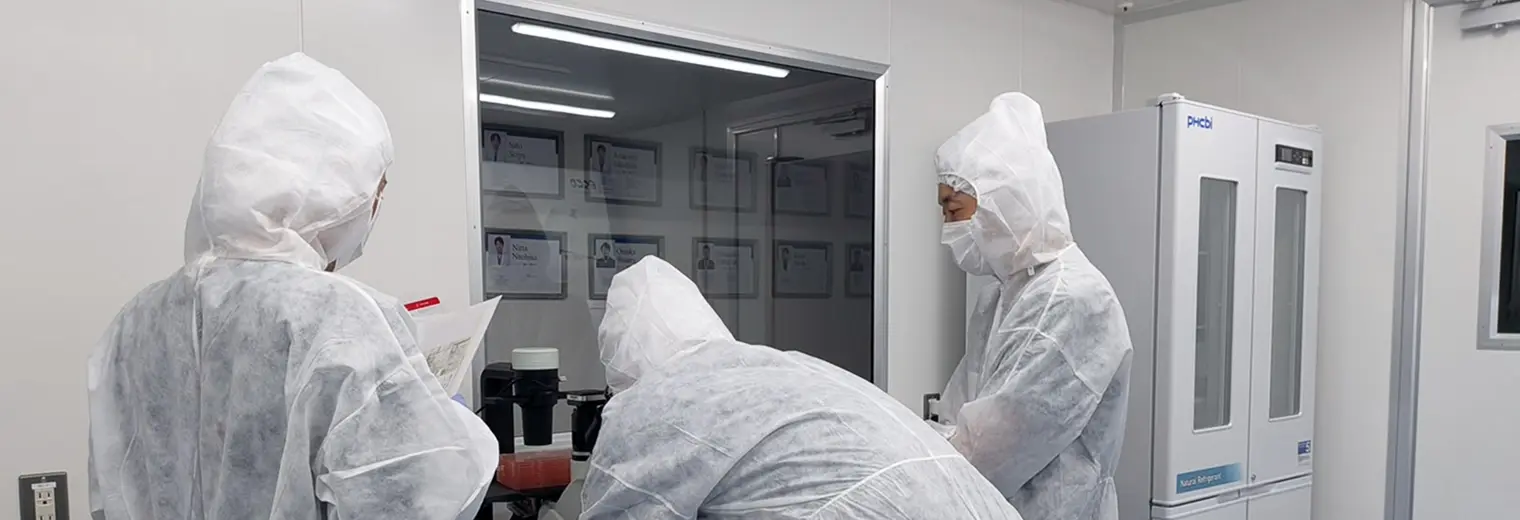
During a visit, staff will explain what you’re seeing as circumstances allow. The window offers a chance to learn about the work area; all procedures continue to follow the designated environment and management protocols.
6. Management Protocols That Support Every Step
Running an in-house CPC depends on people, techniques, and day-to-day management working together.
Our center manages cell processing and culture through entry and hygiene control, environmental checks, equipment monitoring, patient identification, and process records.
Culture work is also carefully organized to minimize unnecessary handling and contact, reducing the risk of contamination and of cross-contamination between different patients’ materials.
This daily work forms the foundation for the ongoing operation of our in-house CPC.
Helping Patients Understand the Management Behind Treatment
For patients, the significance of an in-house CPC shows up in several concrete ways: coordination between clinical care and cell preparation, less outside transport for steps completed in-house, collection and culture techniques working together, and quality check information connected to treatment decisions.
Ginza YR Clinic hopes patients will understand these processes and then consider treatment in light of their own situation.
If you have any questions about our in-house CPC, the collection method, or cell quality checks, please ask during your consultation. We’ll explain the actual process and arrangements based on your treatment plan.
Information & Consultation Booking
Tel03-6263-9219
Notes & Sources
- CPC (Cell Processing Center): A facility that cultures and processes cells used in regenerative medicine, operated under Japan’s Act on the Safety of Regenerative Medicine.
- Act on the Safety of Regenerative Medicine (Act No. 85 of 2013), e-Gov https://laws.e-gov.go.jp/law/425AC0000000085