









Based on a 2026 systematic review of 19 randomized controlled trials

Pain in the first few steps after standing up. Stairs that get harder every month. Several rounds of hyaluronic acid injections with no clear change. Knee osteoarthritis narrows daily life gradually, one activity at a time.
One option that has drawn attention in recent years is cell therapy using a patient’s own fat tissue. But even though ADSC, SVF and MFAT are all described as “fat-derived,” their cell content and processing differ, and they should not be treated as one and the same.
In 2026, the journal Frontiers in Medicine published a systematic review of 19 randomized controlled trials of fat-derived cell therapy for knee osteoarthritis. This article follows that review to explain what is currently supported by evidence and what still cannot be stated with confidence.
The short answer: pain and mobility may improve, but cartilage regrowth is not proven
The review reports that some patients who received fat-derived cell therapy experienced less knee pain and better function. Among the three approaches, ADSC-based treatment showed the most consistent pattern of results.
* Results vary between individuals, and the same outcome cannot be expected for everyone.
On the other hand, while some studies observed favorable changes in cartilage quality or shape on MRI, there is currently no evidence that cartilage already lost can be reliably regrown. Outcomes also vary with the degree of joint degeneration, how the cells are prepared, and the dose injected.
A more reasonable way to frame it today: fat-derived cell therapy is not a treatment where “anyone who receives it regrows cartilage.” It is one option aimed at reducing pain and improving movement in carefully selected patients.
Same “fat,” different treatments: how ADSC, SVF and MFAT differ
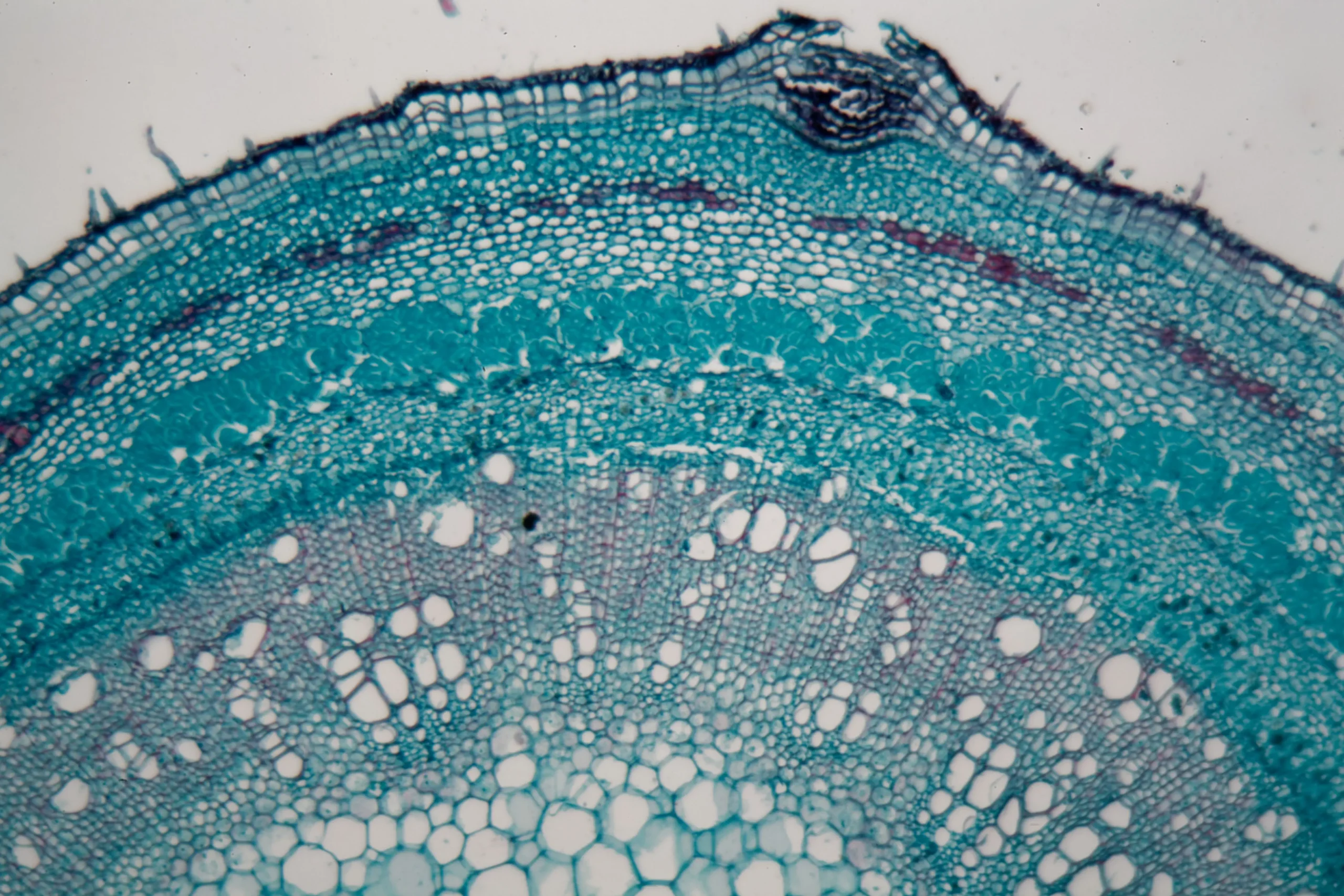
ADSC / AD-MSC (adipose-derived mesenchymal stem cells)
A target cell population is isolated from fat tissue. Some protocols include culture expansion to obtain sufficient cell numbers. In the 2026 review, ADSC showed the most consistent trend for pain relief and functional improvement.
SVF (stromal vascular fraction)
A mixed cell population that contains not only stem cells but also vascular endothelial cells, immune cells and pericytes. Several trials reported symptom improvement, but cell composition and preparation methods varied widely between studies.
MFAT (microfragmented adipose tissue)
Fat tissue is mechanically fragmented while retaining part of its original tissue structure. Some trials showed symptom improvement, while others found no difference from placebo at 24 months. Results are not consistent.
It is worth emphasizing that the difference between the three is not simply a matter of naming. The cells and tissue involved, the processing method, and the number of cells actually injected all differ, which means findings from a study of one treatment cannot be applied directly to another.
What the 19 clinical trials actually showed

1. Pain: larger improvement seen in the ADSC groups
In several trials using saline or another placebo as the control, ADSC groups showed greater pain improvement on measures such as WOMAC and VAS. Compared with hyaluronic acid injection, some studies also found better results in the ADSC group among patients with mild to moderate knee osteoarthritis.
For SVF, pain improvement was likewise reported in trials comparing it with placebo, hyaluronic acid and conservative care. For MFAT, some studies showed benefit while others found no difference from placebo at 24 months.
2. Walking, standing up and climbing stairs
On functional measures such as standing up, walking and using stairs, multiple trials reported improvement for both ADSC and SVF. However, the assessment tools, number of injections and choice of comparator differed across studies, so it is not possible to say how many times more effective one method is than another.
3. Cartilage and MRI findings
Some ADSC and SVF trials observed favorable changes in cartilage quality, volume and defect morphology on MRI. Not every study showed recovery of cartilage thickness, and imaging assessment methods have not been standardized.
At this stage, therefore, it cannot be concluded that fat-derived cell therapy reliably regenerates cartilage. Symptom improvement and structural repair of the joint itself need to be considered separately.
4. Safety and reported adverse events
Across the randomized controlled trials included in the review, no serious treatment-related adverse events were reported, and the minor discomfort that did occur was mostly transient. This does not mean the procedures carry no risk at all.
Fat harvesting and intra-articular injection can themselves cause pain, swelling, bleeding or infection, and the procedural steps and risks differ between treatment methods. Before proceeding, it is important to understand not only the expected benefit but also what can go wrong.
Who might be a candidate
The review found relatively better results with ADSC treatment in patients with early to moderate knee osteoarthritis. In studies that included severe joint degeneration, the difference from conventional injection therapy was not clear.
It may be worth consulting a specialist in the following situations:
- ✓Pain persists despite conservative care or hyaluronic acid injections
- ✓You want to understand options other than surgery
- ✓Knee pain affects walking, stairs or activities you enjoy
- ✓You want to decide what suits you after understanding both the benefits and the limits of regenerative medicine
That said, suitability is not determined by age. The degree of degeneration, the source of the pain, the condition of the meniscus and ligaments, systemic illness, current medication and the goals you hope to reach all need to be assessed together.
Five things to confirm at your consultation

“If it comes from fat, it must be the same thing” is a common misunderstanding. When considering treatment, look past the name and ask the clinic about the following:
Regenerative medicine is a field where the name alone tells you little about the content. That is exactly why, more than the data in any paper, it matters to confirm specifically what treatment you are actually receiving.
Summary: the question is not whether it is new, but whether it fits you
The 2026 systematic review indicates that, in appropriately selected patients, fat-derived cell therapy may improve pain and function in knee osteoarthritis, with ADSC showing the most consistent trend among the three approaches.
However, the products used, cell numbers, delivery methods and enrolled patients differed across studies, and no statistical meta-analysis was performed. Whether cartilage can reliably regenerate, and which of ADSC, SVF or MFAT is superior, both remain unresolved.
What really matters in knee regenerative medicine is not choosing something because it is new, but judging whether it fits the condition of your knee and the goals of your daily life.
Frequently asked questions
At Ginza YR Clinic, we explain both the possibilities and the limits of treatment based on imaging findings, symptoms and your treatment history to date. If you are dealing with knee pain or considering regenerative medicine, you are welcome to start with a consultation.
Consultations and appointments
Tel03-6263-9219
This article provides general information based on academic literature and does not recommend any specific treatment. Regenerative medicine at our clinic is provided as self-pay care and is not covered by Japanese public health insurance. Results vary between individuals, and the same outcome cannot be expected for everyone.
References and sources
Batista JD, Silva LD, Batista JD, Pereira GS, da Silva ML. Intra-articular adipose-derived cell therapies for knee osteoarthritis: a systematic review of randomized controlled trials. Front Med (Lausanne). 2026;13:1771008.
- DOI / publisher page: https://doi.org/10.3389/fmed.2026.1771008
- Frontiers article page: https://www.frontiersin.org/journals/medicine/articles/10.3389/fmed.2026.1771008/full
- PubMed record and abstract: https://pubmed.ncbi.nlm.nih.gov/42100287/